Madam,
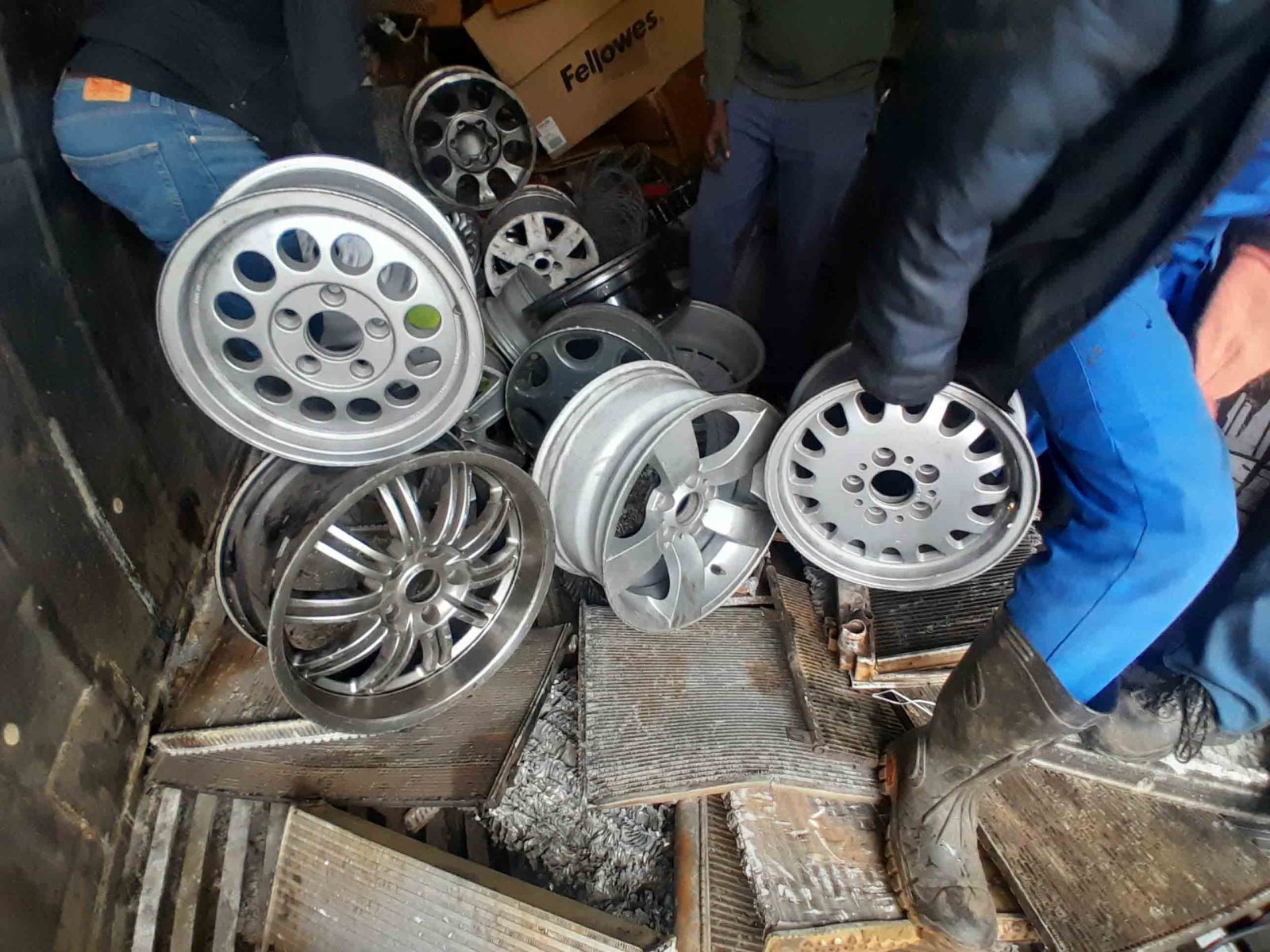
I would like to commend the Municipal Council of Mbabane, Royal Eswatini Police Service and the Eswatini Environment Authority for their involvement in the recent crackdown on 12 scrapyards in Mbabane, where suspected stolen copper materials and public infrastructure were confiscated. This is a welcome intervention, but it must not end with raids, confiscations and headlines. EmaSwati are tired of suffering the consequences of theft while questions remain about those who provide a market for stolen goods.
What concerns me most is whether enough is being done to address the demand for these materials. We can arrest people who steal copper, water meters and other infrastructure, but what happens when there are businesses willing to buy these items without asking where they came from? Surely, if there is no market for stolen goods, there will be less incentive for people to steal them in the first place.
Is there a law that specifically prohibits scrapyards from accepting copper and other materials from people who cannot prove ownership? If such legislation exists, is it being enforced effectively? If there are gaps in the law, then this is the time to address them. We cannot continue fighting theft at the point where it happens while ignoring the places where stolen goods may be sold.
Ordinary emaSwati are paying a heavy price for this problem. Water meters are being targeted at night, leaving households dealing with damaged infrastructure, the inconvenience of interrupted water supplies and the expense of replacing stolen equipment. Some residents are also left facing high water bills for water they may never have used. Imagine working hard to provide for your family, only to wake up and discover that your water meter has been stolen, then having to worry about a bill you cannot afford. Why should innocent residents carry this burden because someone has chosen to make money through theft?
The concern also extends beyond copper. We are increasingly seeing brand new vehicle rims and car batteries appearing in scrapyards. How do such items end up there? Are operators required to verify the identities of sellers and establish whether they have the right to sell these goods? These questions deserve answers because stolen property does not simply disappear. Someone takes it, someone transports it and someone may be willing to buy it.
Authorities must establish whether scrapyard operators maintain proper records of sellers, check identification and demand proof of ownership where necessary. Regular inspections should continue even when the headlines have faded. Where operators are found knowingly buying stolen goods or violating applicable laws, there must be meaningful consequences.
I urge the Municipal Council of Mbabane, the Royal Eswatini Police Service and the Eswatini Environment Authority to work together on a sustained monitoring system. The public deserves to know what happens after these raids. Were any operators charged? Will licences be reviewed where wrongdoing is established? What measures will prevent the same problem from returning a few weeks later?
We have seen enforcement operations attract public attention, only for familiar problems to return once that attention fades. This must not become another exercise that offers temporary relief without addressing the root causes. A crackdown is important, but its success should be measured by lasting results, not simply by the number of premises raided or items confiscated.
Scrapyards that operate legitimately should welcome proper regulation because it protects honest businesses and separates them from those prepared to profit from stolen property. Government and the relevant authorities must also communicate clearly about the laws governing this trade and the consequences of breaking them.
Ultimately, we cannot expect theft to end while the market for stolen goods remains a concern. Let us hold thieves accountable, but let us also scrutinise those who buy from them. EmaSwati deserve to sleep peacefully without worrying about missing water meters, stolen car batteries, damaged property and bills they should never have had to pay.
A crackdown must be the beginning of lasting action, not the end of the story.
Zweli Mangweni