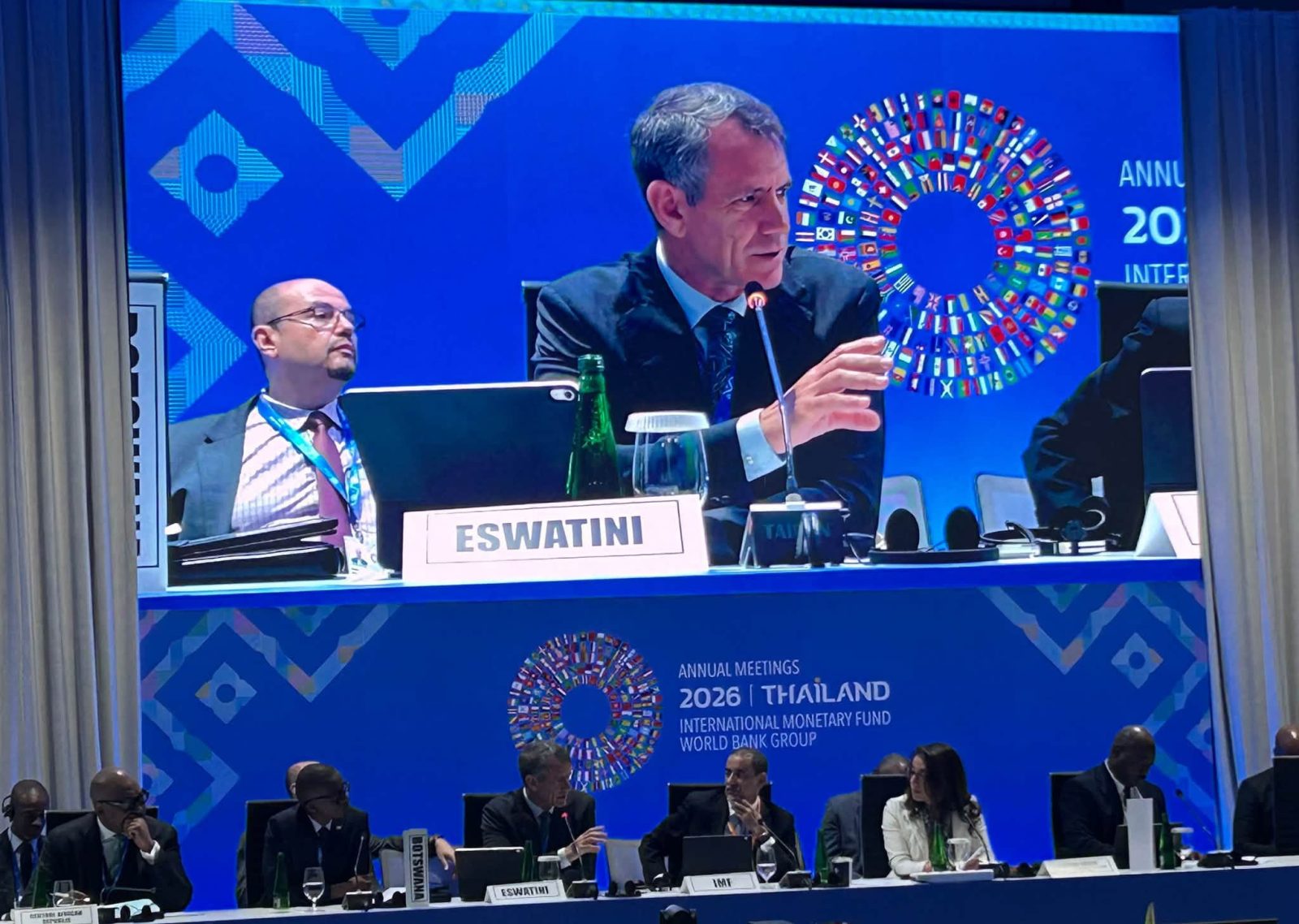
MBABANE – Finance Minister Neal Rijkenberg has called for stronger intra-African trade and increased production of value-added goods to address trade imbalances and strengthen the continent’s financial resilience.
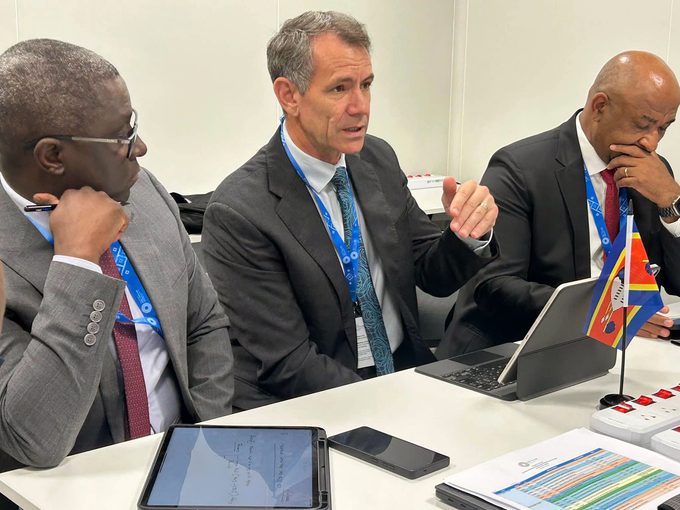
He made the call during the Africa High Level Working Group on the Global Financial Architecture, held on the sidelines of the 2026 International Monetary Fund (IMF) and World Bank Group Annual Meetings in Bangkok, Thailand.
The meetings, taking place from October 12–18, have brought together African finance ministers, central bank governors and other officials to discuss economic development, infrastructure financing and debt sustainability.
Rijkenberg emphasised the need for African countries to reduce their reliance on imported finished goods while exporting raw materials, calling for greater cooperation to promote local production and value addition.
He also highlighted the potential of public procurement to support industrial development through a proposed African Union initiative on strategic supply rights. The initiative would allow countries to specialise in producing selected goods for supply across the continent, potentially strengthening regional trade and creating opportunities for local industries.
Meanwhile, Eswatini is using the annual meetings to deepen cooperation with the World Bank as a strategic development partner, with particular focus on strengthening the country’s macro-fiscal position, mobilising concessional financing and accessing technical assistance.
The Minister for Economic Planning and Development, Dr Thambo Gina, led the country’s delegation in engagements focused on advancing economic development priorities and strengthening international partnerships.
The delegation included Principal Secretary Thabsile Mlangeni, Chief Economist Sifiso Mamba and senior ministry officials Anthony Mthunzi, Nombuso Dlamini and Phindile Masango. Rijkenberg and Public Service Minister Mabulala Maseko are also part of the Eswatini delegation.
Discussions with the World Bank highlighted the importance of reforms to strengthen economic resilience, improve competitiveness and promote inclusive growth.
Key priorities included youth unemployment, energy and infrastructure, productive urbanisation and the implementation of development projects.
Addressing youth unemployment requires an enabling environment for private sector growth, investment and sustainable job creation, allowing young people to participate meaningfully in the economy.
Reliable energy and adequate infrastructure were also identified as important in reducing business costs, improving productivity and attracting investment.
The discussions further emphasised productive urbanisation through better planning, improved infrastructure and expanded access to markets and economic opportunities.
Strengthening project implementation was another priority, with emphasis on ensuring that planned investments are delivered efficiently, public resources are used effectively and development programmes achieve their intended outcomes.
The annual meetings also provide a platform for discussions on infrastructure financing and new IMF-World Bank debt sustainability frameworks for low-income countries, issues that remain important for Eswatini as it seeks to strengthen public finances and finance development priorities.