MBABANE — The Kingdom of Eswatini and the Republic of China (Taiwan) have deepened their strategic partnership to transform public healthcare through artificial intelligence (AI) and specialised medical workforce training.
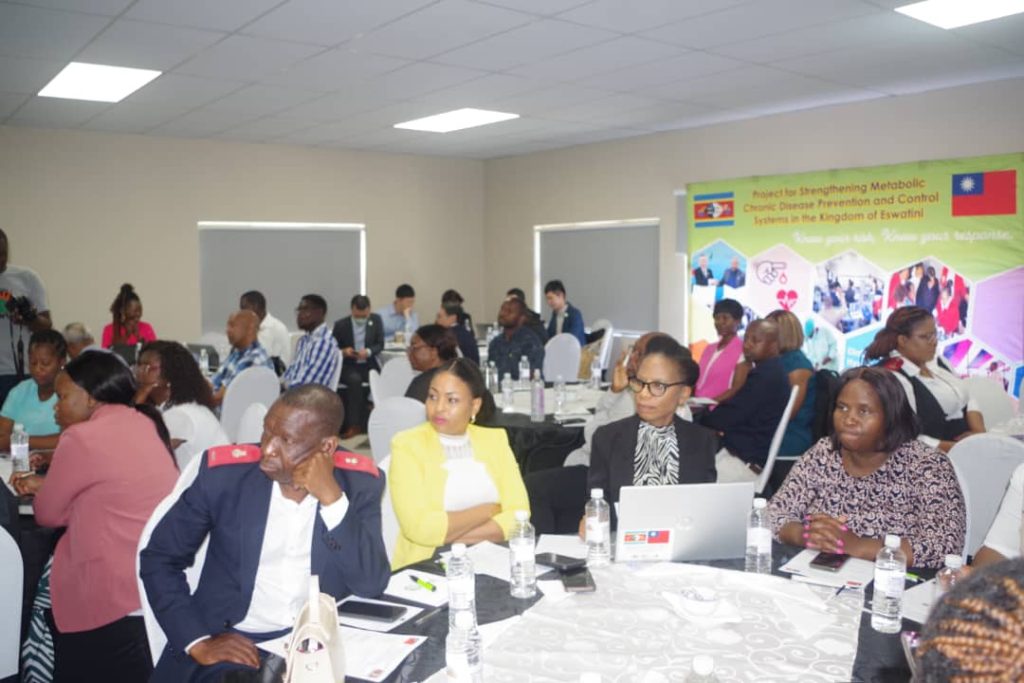
The initiative was highlighted during the Bilateral Taiwan-Eswatini Healthcare Seminar at the Mountain View Hotel, convened under the theme ‘Empowering Chronic Disease Prevention through Smart Healthcare’. The seminar was held today.
Speaking at the seminar, Director of Health Services Dr Velephi Okello in the Miniatry of Health stressed the urgent need for early disease detection, citing recent World Health Organisation (WHO) survey data showing that 22 per cent of adults in Eswatini live with high blood pressure, while nearly four per cent have high blood sugar. Alarmingly, only 14 per cent of those with high blood pressure currently have their condition under control.
“Treating patients is not enough. We also need to detect diseases early, help people manage their health, and make healthcare services more accessible,” said Okello.
To address these challenges, Eswatini has deployed AI-assisted fundoscopy devices across targeted facilities, examining over 3 100 patients for diabetic vision complications since 2025 and is currently testing Continuous Glucose Monitoring (CGM) systems for real-time patient tracking.
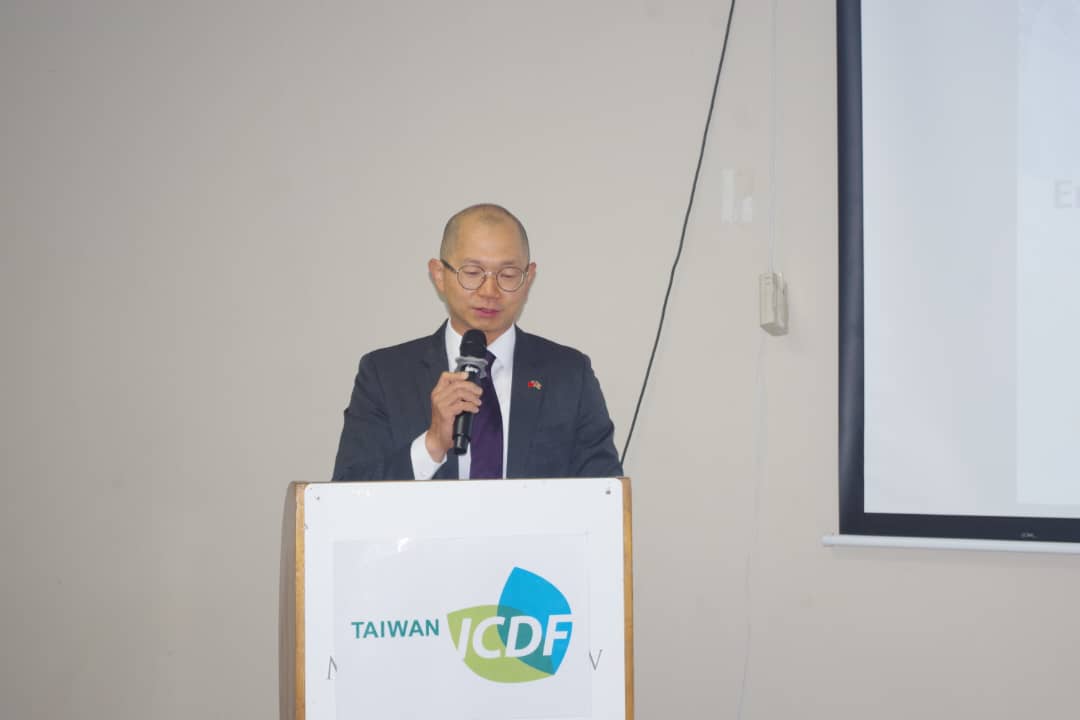
Reaffirming Taiwan’s commitment to sustainable support, Representative I-Hsiang Tsai of the Embassy of the Republic of China (Taiwan) emphasized that technology is being paired directly with clinical capacity building. As part of the ongoing cooperation, medical doctors from RFM Hospital, Emkhuzweni Health Centre, and Pigg’s Peak Hospital recently returned from hands-on smart healthcare training in Taiwan.
“The success of international training should be measured by how effectively the knowledge gained improves clinical practice, strengthens service delivery, and benefits patients,” representative Tsai stated.
The joint project, supported by Taiwan ICDF, National Taiwan University Hospital Hsin-Chu Branch, and CHAI Eswatini has already yielded encouraging results, including a 125 per cent increase in high blood pressure care services and a 90 percent increase in diabetes care services across target communities.