MBABANE – The Eswatini Antivenom Foundation (EAF) receives about 90 snakebite-related calls and 400 requests for snake removal monthly during summer, raising concerns about antivenom supplies.
EAF Founder and Chairperson Thea Litschka-Koen said securing enough antivenom remained a challenge as the non-profit organisation relied on donations and fundraising to purchase the life-saving treatment.
“We are working to secure sufficient supplies, but we cannot guarantee that we will have enough for the entire season,” she said.
Litschka-Koen appealed to businesses and members of the public to support the foundation, citing the number of serious snakebites requiring treatment as a major concern.
She clarified that the warning did not mean the foundation had run out of antivenom, but highlighted uncertainty over whether available supplies would meet demand during the summer months, when snake encounters become more common.
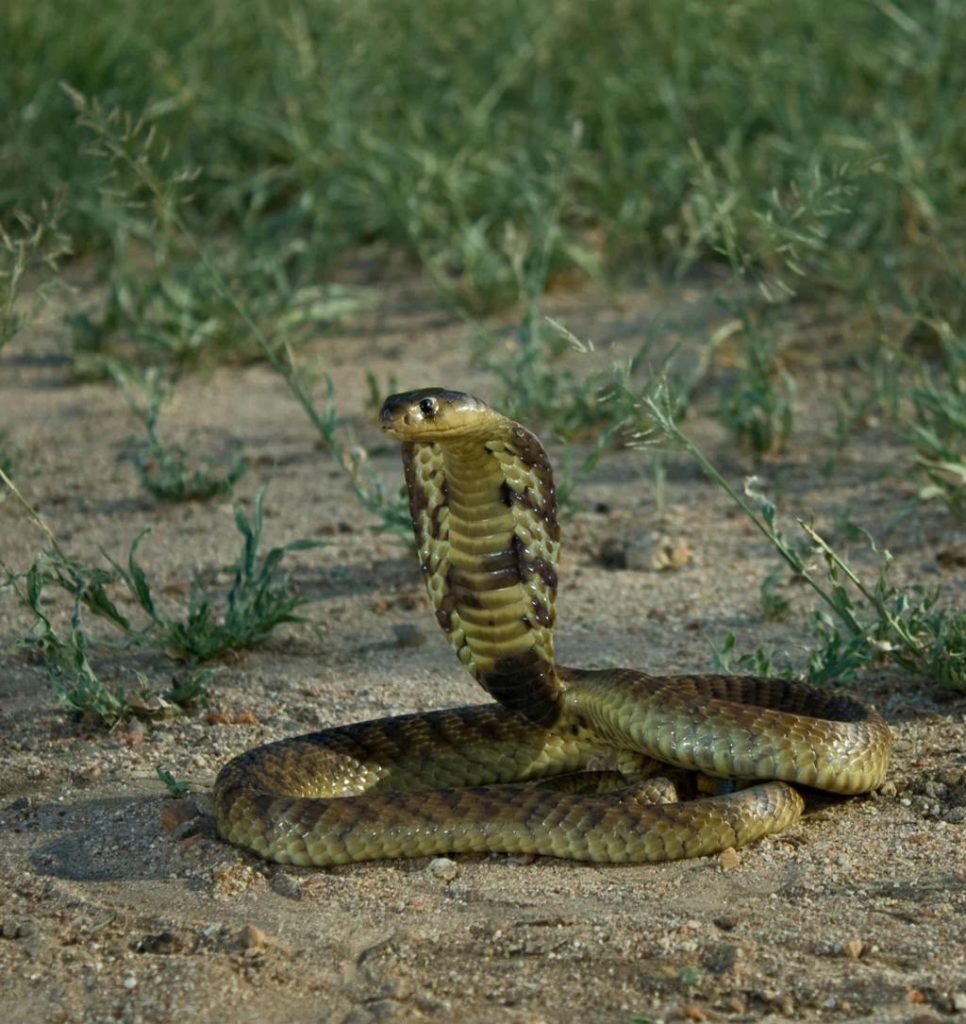
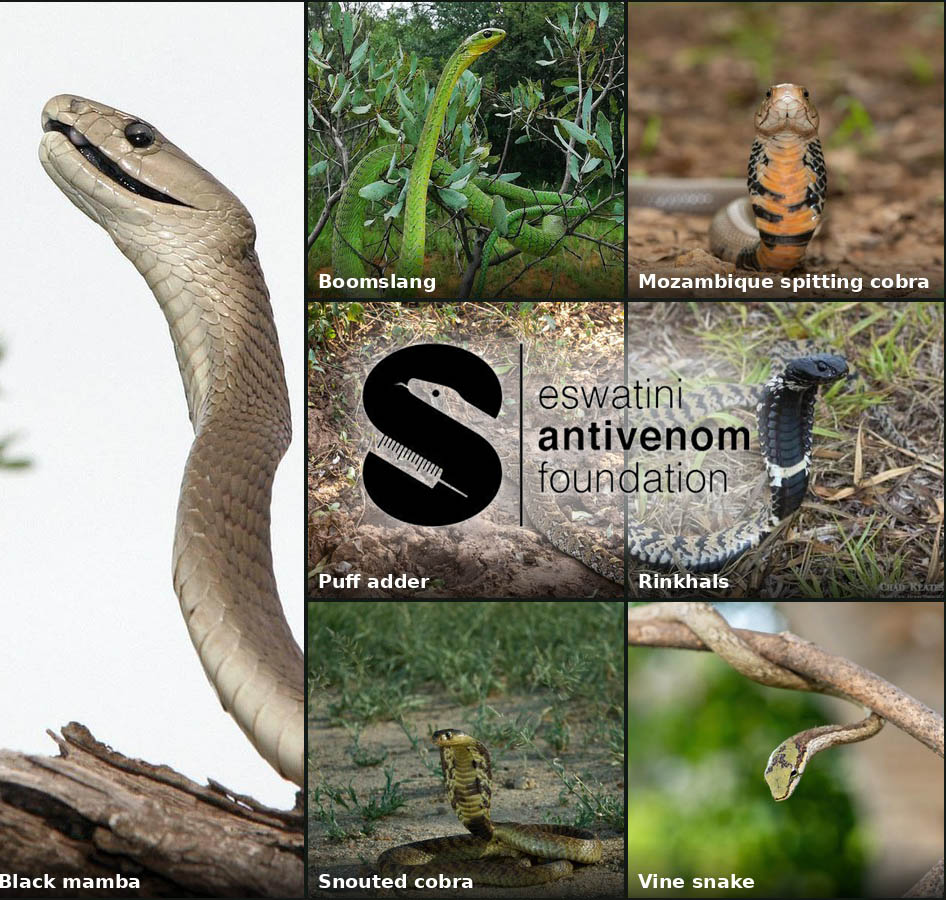
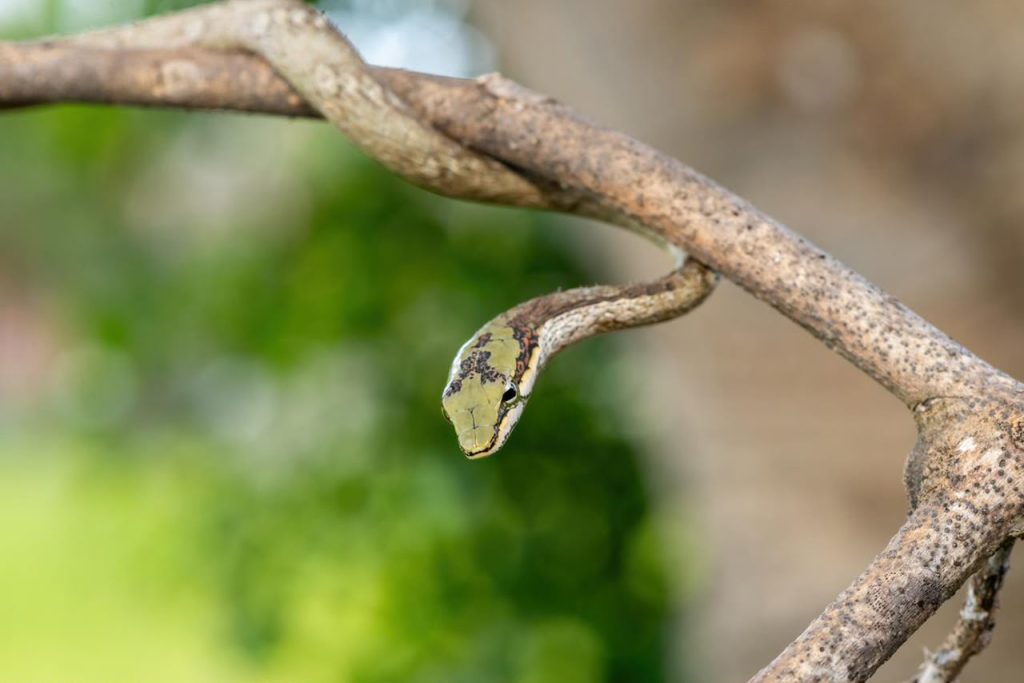
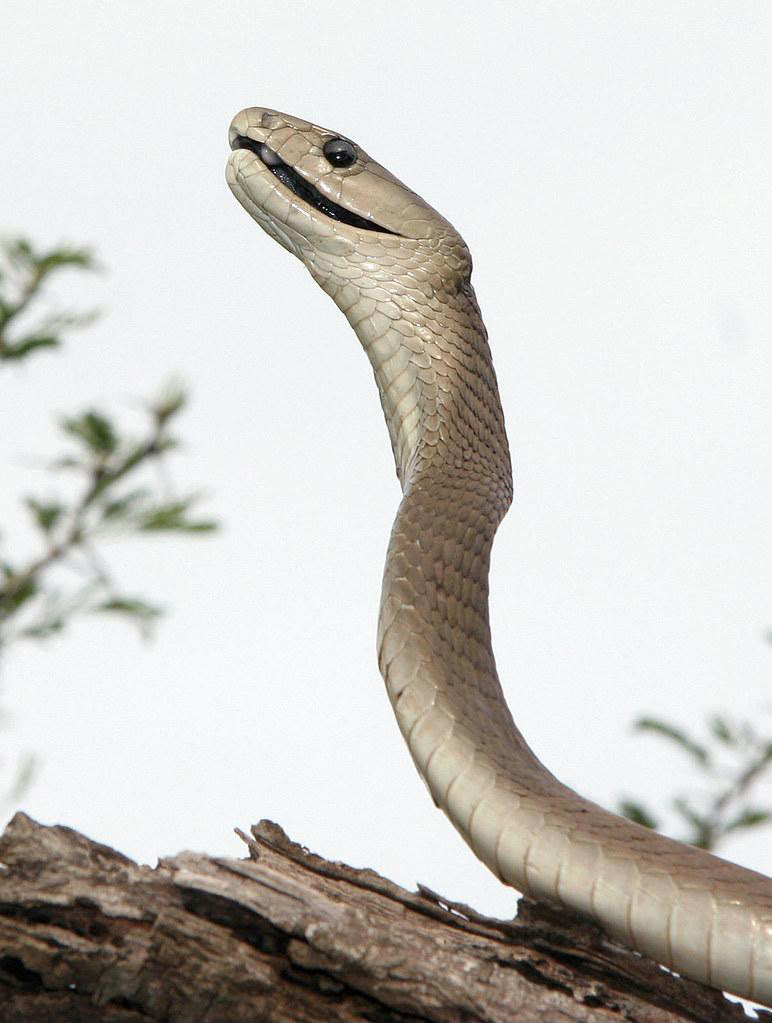
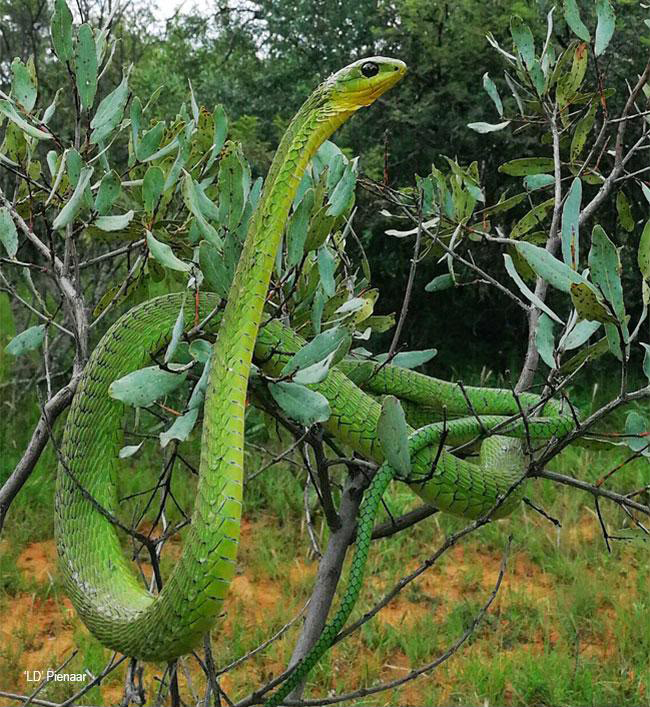
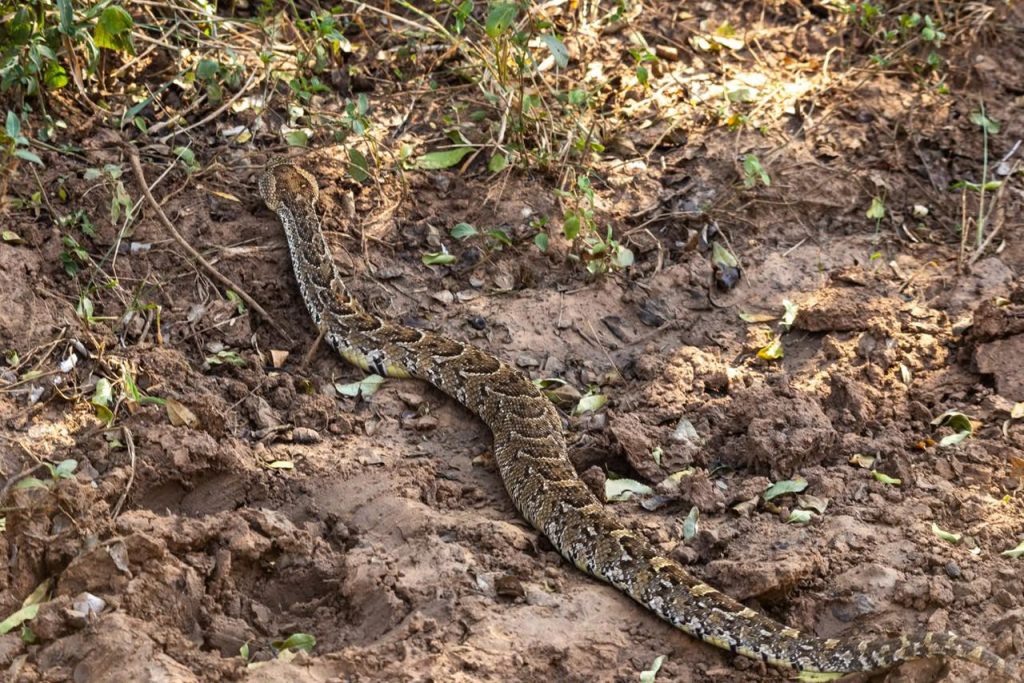
Eswatini is home to several snake species capable of causing serious injury or death, including the black mamba, Mozambique spitting cobra, puff adder, snouted cobra, rinkhals, boomslang and vine snake.
These species pose different medical risks. The Mozambique spitting cobra can cause severe tissue damage, while bites from black mambas and snouted cobras can affect the nervous system. Puff adder bites can cause extensive swelling and tissue damage, while boomslang venom can interfere with blood clotting.
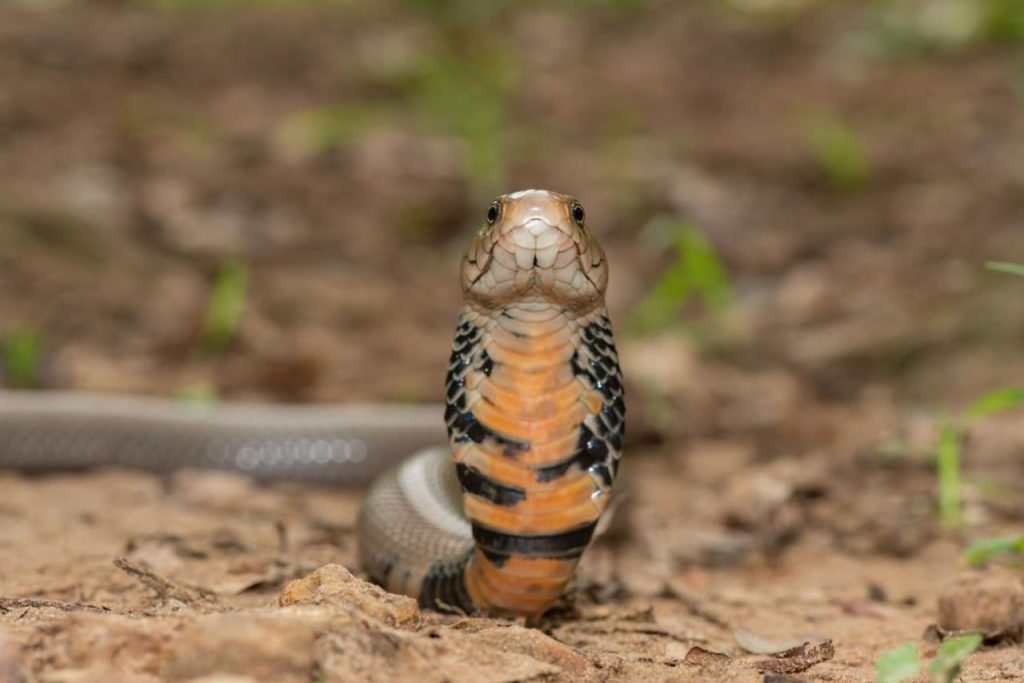
Snakes may be found around homes, gardens, overgrown vegetation, woodpiles and other areas offering shelter or prey. Mozambique spitting cobras may also be encountered near rivers, lakes and marshes.
However, not every snake is venomous, and the presence of one does not automatically mean people are in danger.
The foundation responds to reports of snakebites, including those involving non-venomous species and helps people access appropriate assistance.
Litschka-Koen urged people who encounter snakes to remain calm, move away slowly and keep children and pets at a safe distance.
She warned against attempting to catch, handle or kill snakes, advising the public to contact trained rescue volunteers to remove and relocate them safely. Where possible, people should observe a snake from a safe distance to help rescuers locate it.
Preventive measures include keeping grass short, clearing rubbish and clutter, storing firewood away from houses, sealing gaps in buildings and controlling rodents that may attract snakes.
People should also wear shoes outdoors, use a torch when walking at night and watch where they step or place their hands, particularly around rocks, vegetation and woodpiles.
Litschka-Koen stressed that anyone suspected of having been bitten by a snake should seek medical attention immediately, without waiting for pain, swelling or other symptoms to develop.
“Some dangerous bites may initially leave very little visible evidence,” she said.
While arranging urgent transport to a medical facility, the victim should be kept calm and as still as possible, with movement of the affected limb restricted. Rings, watches and tight clothing should be removed before swelling develops.
The wound should not be cut, sucked or treated with substances. Tourniquets and tight bandages should not be applied. Traditional or herbal remedies must not delay medical treatment.
People should also avoid attempting to catch or kill a snake to take it to hospital. The foundation can be contacted while transport is being arranged or during the journey, but medical care should not be delayed while waiting for a rescue volunteer.
If venom enters the eyes, it should be rinsed immediately with plenty of clean running water for at least 20 minutes before the person seeks medical attention.
The eyes should not be rubbed and milk or other substances should not be applied.
Litschka-Koen said the public needed to prevent snake encounters where possible, leave snake handling to trained rescuers and treat every suspected snakebite as an emergency.
“The correct first aid and prompt medical treatment can save a life or limb,” she said.
The foundation has made snake- identification posters, first-aid information and medical treatment guidelines available on its website, www.eswatiniantivenom.org.
People seeking snake removal assistance can call +268 7833 3704, while those requiring snakebite assistance can contact +268 7602 5088.
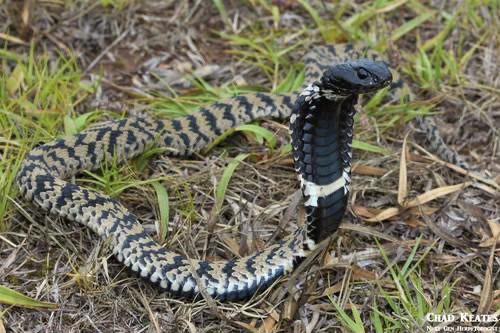
Also called Phemphetfwane locally
Often dark grey or black, sometimes with pale body bands and distinctive light markings on the throat. It can spread a hood and spit venom.