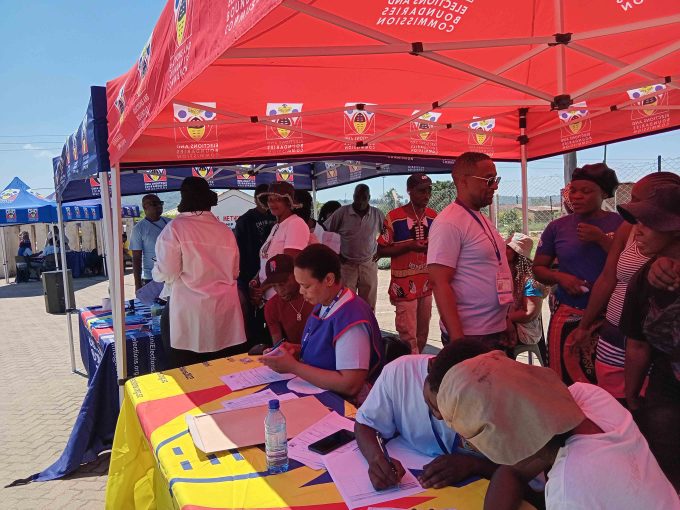
By the time this feature is published, South Africa’s Local Government Elections will have taken place, with voters having gone to the polls yesterday. The result will test whether a liberation movement can recover once voters stop treating its historic role as a permanent claim to power.
For decades, the ANC was more than a political party. It embodied the struggle against apartheid and the promise of a democratic South Africa. It once commanded more than 70 per cent of the national vote. Today, after losing its national parliamentary majority in 2024, it must negotiate power with rivals and face voters increasingly willing to punish it.
Untouchable
How has a party that once appeared untouchable reach this point? Revolutionary parties can lose relevance after the revolution they led. The end of apartheid did not end poverty, unemployment, inequality or the daily need for reliable water, electricity and sanitation. Liberation was historic, but could not answer every generation’s demands.
The ANC’s moral authority was built on the struggle. Governing required something different: Capable institutions, sound administration and a willingness to confront failure within its own ranks.
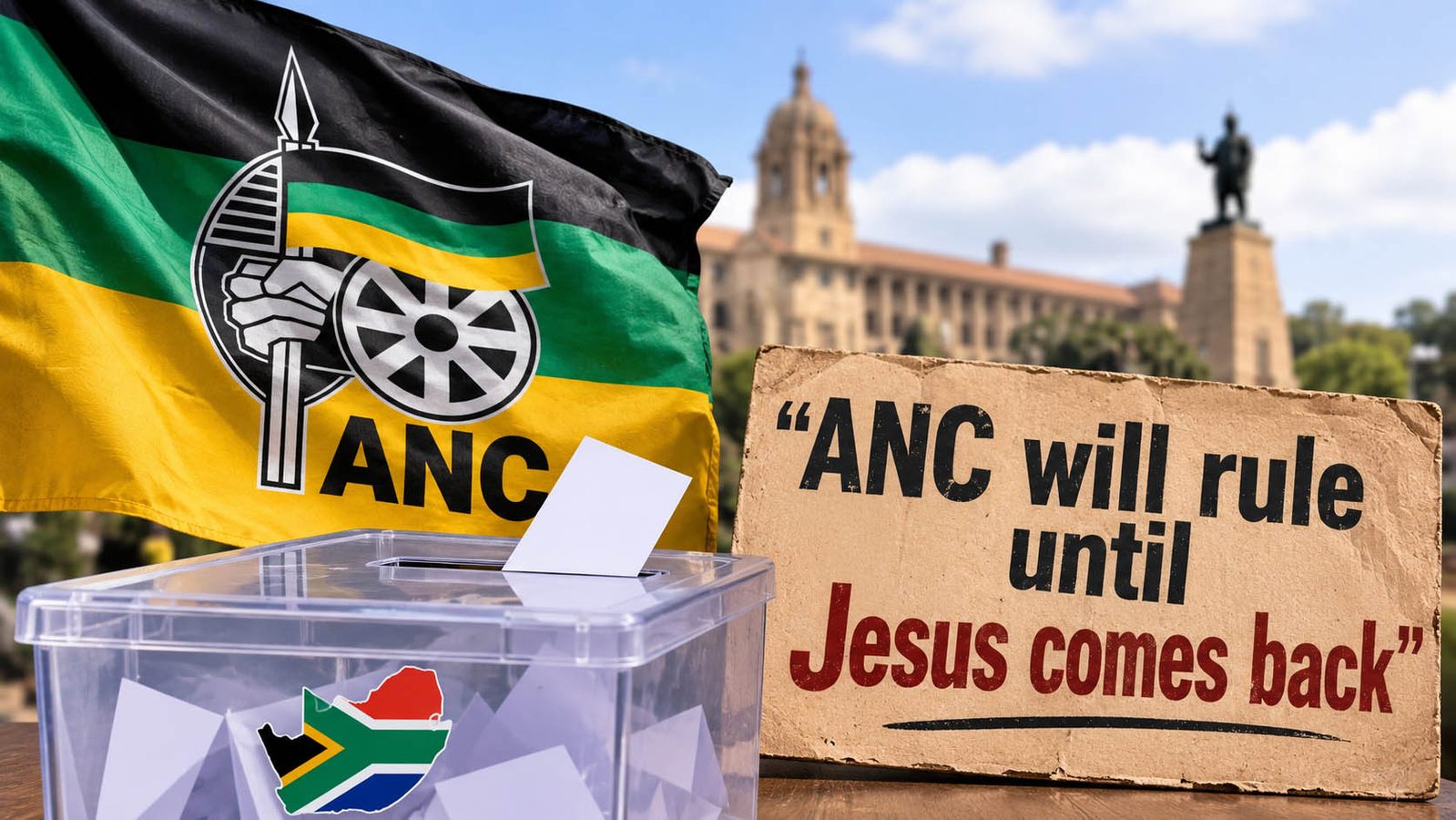
Former President Jacob Zuma once declared that the ANC would rule until Jesus returned. Does absolute power corrupt absolutely? The question is whether the party mistook historic loyalty for permanent permission.
The State capture allegations dealt a devastating blow. The Zondo Commission examined how public institutions and State-owned enterprises were allegedly compromised for private benefit, with allegations reaching the highest levels of government and involving the Gupta family. Its findings documented serious failures, while criminal responsibility must be determined through due process.
Then came ‘Ramaphoria’. Cyril Ramaphosa’s rise brought hope that a new dawn would restore ethical leadership and repair the damage. The Phala Phala scandal, involving cash stolen from Ramaphosa’s farm and questions about the handling of the matter, brought another wave of doubt. Each controversy made another promise harder to believe.
Allegiance
In 2018, while leading the Democratic Alliance, Mmusi Maimane observed: “Some South Africans seemed to feel not voting for the ANC was like turning their backs on family.” Allegiance was personal, inherited and shaped by memories of apartheid.
Half my family is South African and my relatives have long told me that, whatever the ANC’s failings, they would never vote for another party. I understood why. They lived under apartheid and one family member was shot in the eye during brutal home raids by apartheid police. Freedom was paid for in fear, injury and sacrifice.Still, memory cannot carry every election. Younger voters did not experience apartheid in the same way, while older voters also have bills to pay, jobs to find and municipal services to demand. Gratitude for liberation and anger at poor governance can exist in the same household. Voting is not betrayal; it is a demand that history’s promises be honoured.
The Madlanga Commission has brought allegations of criminality, political interference and corruption within the criminal justice system into public view. Its work is ongoing and allegations should not be treated as convictions. Still, its testimony and referrals have intensified questions about wrongdoing within institutions meant to investigate it.
It may be premature to declare the ANC finished. But unquestioned dominance has ended. Its future depends not on invoking liberation repeatedly, but on governing competently, disciplining wrongdoing and improving everyday life.
Coalitions
Any party or coalition taking control must study this record. Coalitions can widen representation, but unstable alliances, private bargaining and frequent leadership changes can leave residents without dependable services.
This vote is local, so the ANC will also be judged on municipal performance rather than its liberation history alone. Broken water systems, failing infrastructure, unreliable refuse collection and municipal finances touch residents every day. National politics may dominate headlines, but a councillor’s record can decide whether voters stay loyal, switch allegiance or simply stay home this week.
Will access to power and public resources damage the next party or coalition too? It could, unless institutions are stronger than personalities and rules apply to allies as well as opponents. Lasting change requires independent investigators, capable prosecutors, open procurement, protected whistle-blowers and citizens who keep asking questions after voting day.
History may remember the ANC both for helping to end apartheid and for failing to protect liberation’s moral promise from the temptations of government. The test of leadership is not how long a party stays in office, but what it does with the trust placed in it.
The ANC once seemed able to rule ‘until Jesus returned’. The electorate has shown that no party is immortal. Whoever governs next should understand the lesson – power is borrowed from the people and it can be taken back.