Madam,
Once again, divorce has come under the spotlight, but this time the conversation is not unfolding on social media. It is coming from Parliament, where concerns raised by Hhohho Region MP Tanele Magagula have reopened an important discussion about the state of marriages and the changing role of the Church and families in preserving them.
The debate raises an uncomfortable but necessary question: Are we doing enough to prepare people for marriage or have we become too obsessed with the wedding itself?
Pastors can certainly be held accountable to a certain extent. They have a responsibility to guide couples, offer sound counselling and teach the values that sustain marriage. However, we must be careful not to place the entire burden of failed marriages on the Church. No amount of counselling can change someone who enters marriage for the wrong reasons or has no genuine intention of honouring their vows.
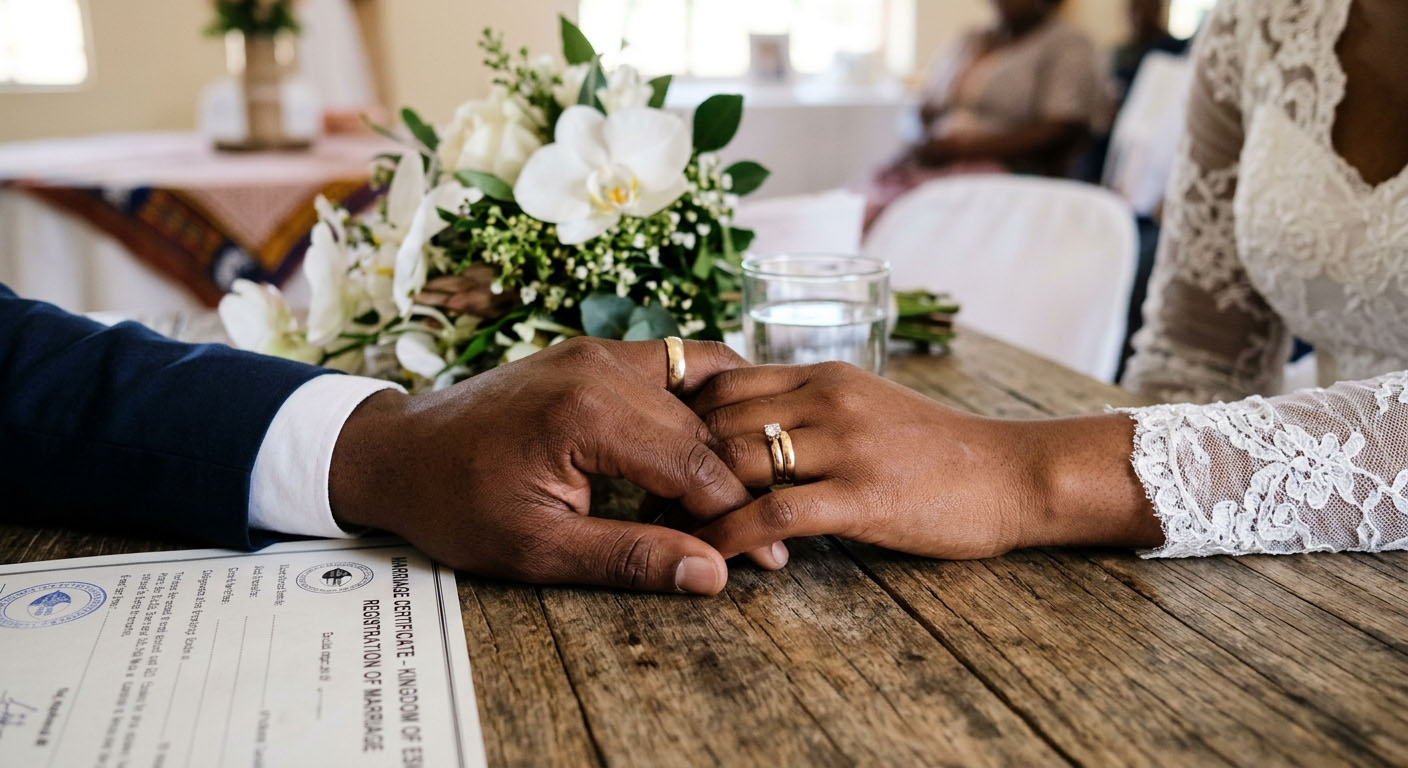
There is an emerging attitude among some young people that deserves attention. The excitement surrounding weddings, the beautiful dresses, elaborate celebrations, photographs and social media content sometimes appears to outweigh the actual commitment being made. The wedding becomes the destination, yet marriage is only beginning.
One wonders whether some couples genuinely take pre-marital counselling seriously. Some may simply go through the motions, saying all the right things and presenting themselves as prepared because they want their big day. Once the celebrations are over and the realities of married life begin, the commitment seems to disappear. The patience, compromise, sacrifice and responsibility required to build a home suddenly become harder to embrace than the excitement of saying ‘I do’.
We must also confront one of the biggest sources of tension in marriages: Money. Financial difficulties, unemployment, debt, unrealistic expectations and disagreements over household responsibilities can put tremendous pressure on relationships.Love may bring two people together, but financial responsibility and honest conversations about money are essential to keeping a household running. Couples must learn to navigate financial challenges together rather than allow them to become a constant source of conflict.
Families, too, have an important role to play, as Magagula rightly points out. A marriage has two families behind it, not just two people before the altar. The pulpit must not become a fortress that keeps relatives outside when a home is crumbling. Families and elders can offer wisdom, mediation and guidance when couples encounter difficulties. However, their involvement must be constructive and respectful of the couple’s independence.
The truth is that if a couple does not stand together and make a conscious effort to fix their marriage, no pastor has the power to mould or build that marriage for them. Pastors can counsel, families can advise and friends can encourage, but the responsibility ultimately lies with the couple.Of course, this is not to suggest that every marriage must be preserved at all costs. Abuse, violence and other harmful circumstances should never be tolerated in the name of keeping a marriage intact. Sometimes, separation is necessary. Perhaps our biggest failure is that we invest so much in preparing for weddings but too little in preparing people for marriage. We need to teach young people that marriage is not a performance for social media, a celebration to impress friends or an escape from financial difficulties. It is a lifelong commitment that demands maturity, honesty, patience and responsibility. A wedding lasts a day. A marriage requires commitment every day thereafter.
Anonymous