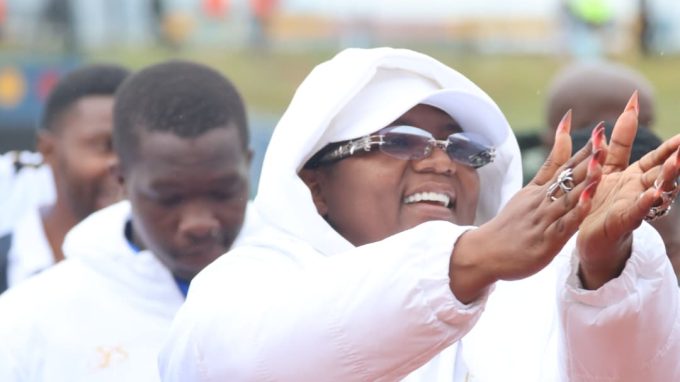
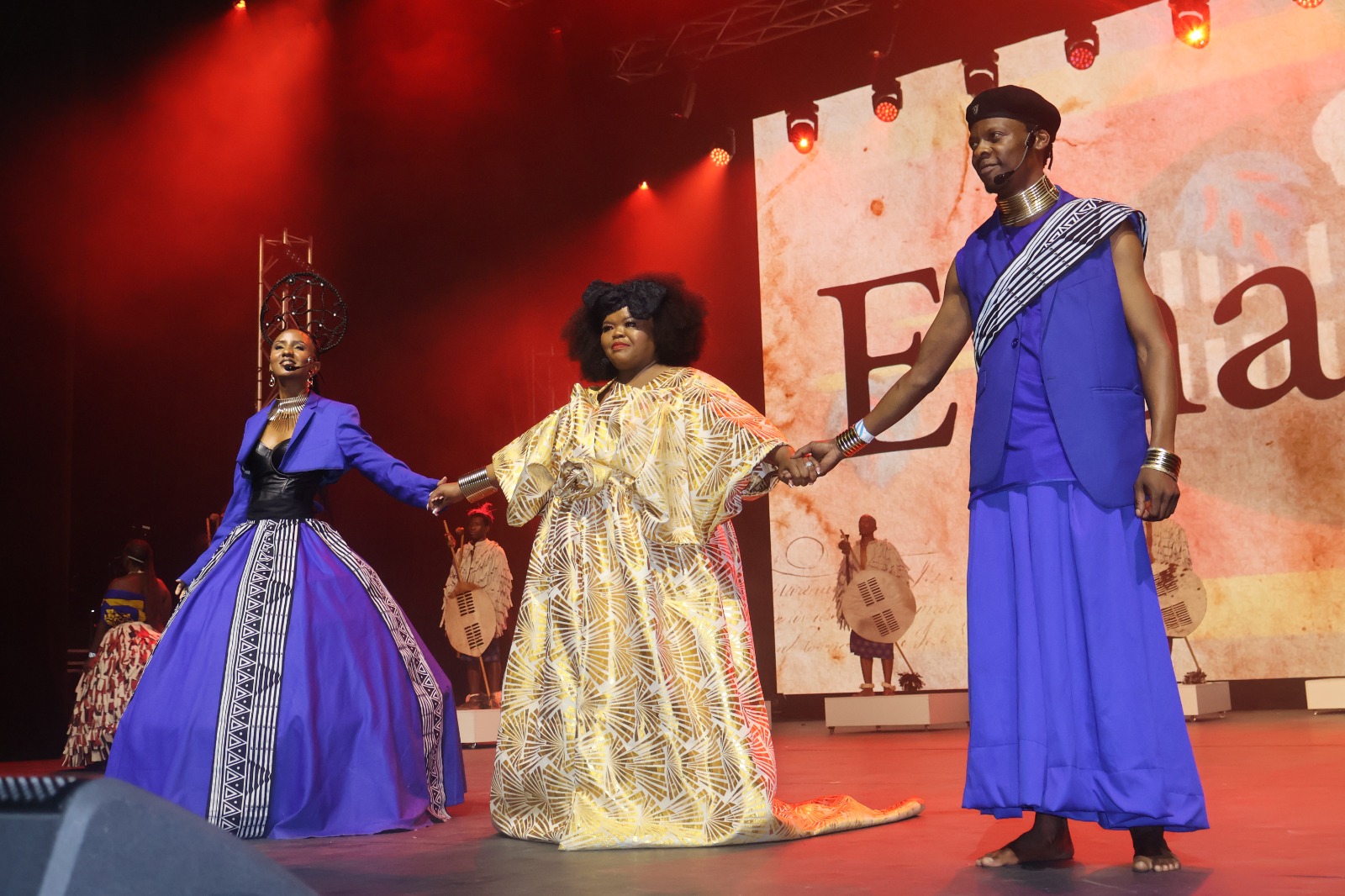
MBABANE – South African artist Nokwazi has shared how performing as a vocalist in the Kings 40th ensemble play taught her a great deal about Eswatini culture.
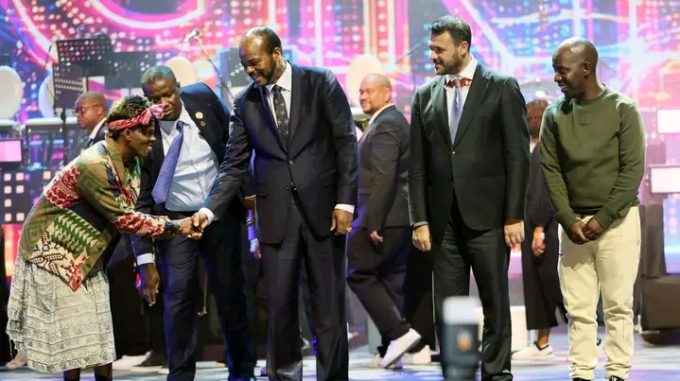
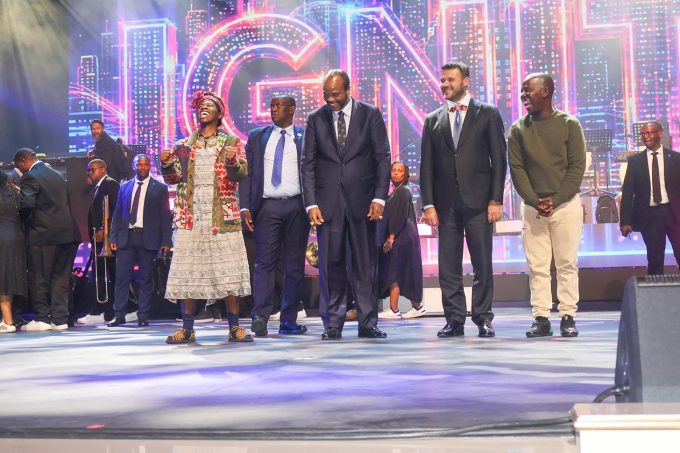
Reflecting on the experience shortly after leaving the stage, the visibly moved singer could hardly contain her excitement. “I was very happy to be called to be a part of this memorable play. I actually got a call from the Director, Grant. He said that he would be happy to have me be a part of the celebration. What just happened now, I will never forget, I don’t think I’ll ever wash my hands,” said the musician jokingly after His Majesty King Mswati III shook her hands on the stage.
The conversation turned to the shared heritage between South African and Eswatini traditions, as well as the unique traits that set the local culture apart. Nokwazi noted that while the two cultures share deep roots, the local people leave a distinct impression on visitors. The Musicians reflection on how the two cultures have a few similarities. “Ohhh Swazi culture is so amazing. You know besides the people of this country being naturally humble and full of respect, Ubuntu babo is also top-tier. What I loved the most is actually a very irrelevant part, but when the King’s Praises are sung, I love how ‘Bayethe and Ngwenyama’ are recited with so much strength and grace,” she said.
As the interview concluded, Nokwazi expressed her warmth and gratitude to the local audience, marking a successful performance that celebrated regional artistic collaboration.
Nokwazi Dlamini, simply known as Nokwazi, is a South African singer and songwriter from Pietermaritzburg, KwaZulu-Natal. She was born on July 18, 1978. Her style of music has evolved over the years, but is best described as Afro-soul and Afro-pop.
From a young age, she has been passionate about music and aspired to be a successful singer. She started singing at her church when she was ten years old. Her talents were recognised when, in 1996, she became a backup vocalist for Rebecca Malope. She then went on to sing backup for multiple artists such as Brenda Fassie, Thandiswa Mazwai and many more. After years of serving as a backup vocalist, she finally decided to launch her solo career in 2013 when she signed to Kalawa Jazmee.