MBABANE – Eswatini has gone almost a decade without being able to offer the CAF A coaching licence, leaving local coaches stranded as stricter continental deadlines close in.
The country has been unable to run a CAF A course since 2017, after the Confederation of African Football (CAF) froze the programme across the continent to update and consolidate its coaching manuals. That temporary suspension has now stretched into a near 10-year blackout for coaches holding only the CAF B licence, many of whom remain unable to progress.
This drought collides with tough new standards approved by the CAF Executive Committee on December 16, 2024, under the revised CAF Coaching Convention, with full enforcement targeted for the end of the current season.
Coaches under valid contracts signed before the new rules were introduced were granted a grace period across the 2025/26 and 2026/27 seasons to regularise their credentials. However, clubs and national associations hiring after the cut-off date must ensure new appointments meet minimum requirements immediately, or risk having coaches barred from the technical area and official CAF competition activities.
Under the updated framework, head coaches in major men’s competitions—including the Africa Cup of Nations (AFCON), African Nations Championship (CHAN), Champions League, Confederation Cup and Super Cup—must hold a CAF A or Pro licence, while assistants require at least a CAF A. Similar stipulations apply across women’s and youth categories, with adjusted thresholds elsewhere.
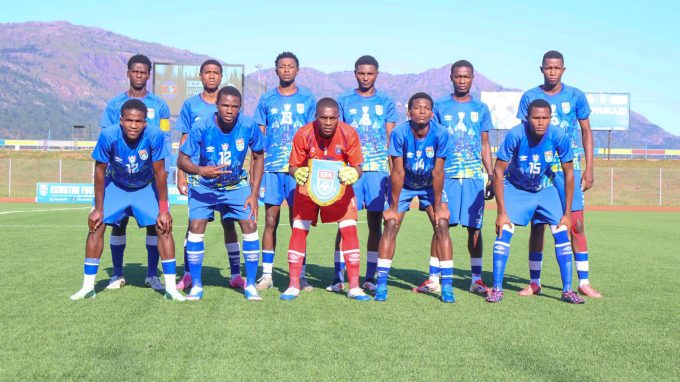
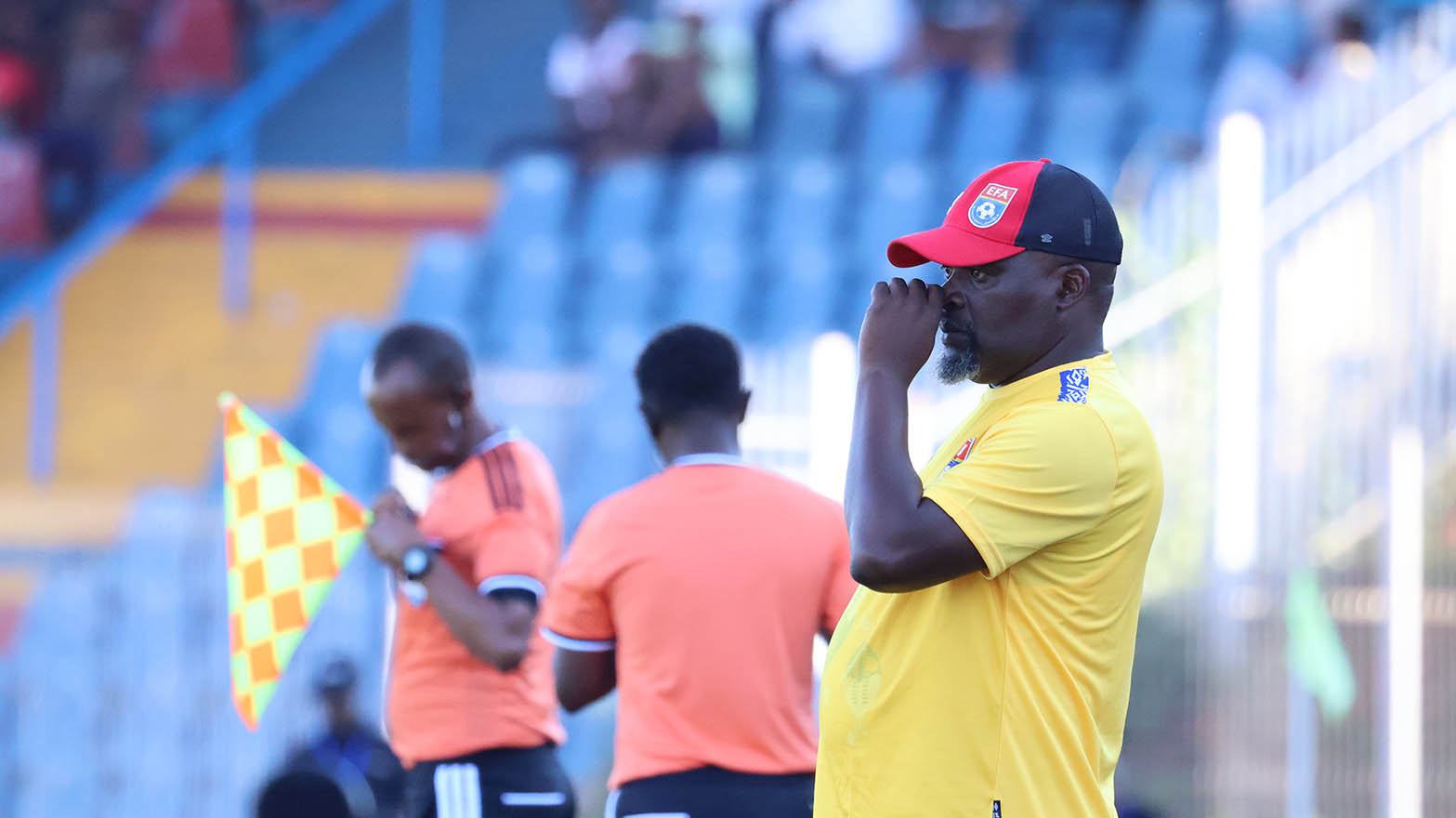
The Eswatini Football Association (EFA) has navigated the transition by appointing interim technical leaders Dominic Kunene and Caleb Ngwenya as head coach and assistant respectively, ensuring full compliance.
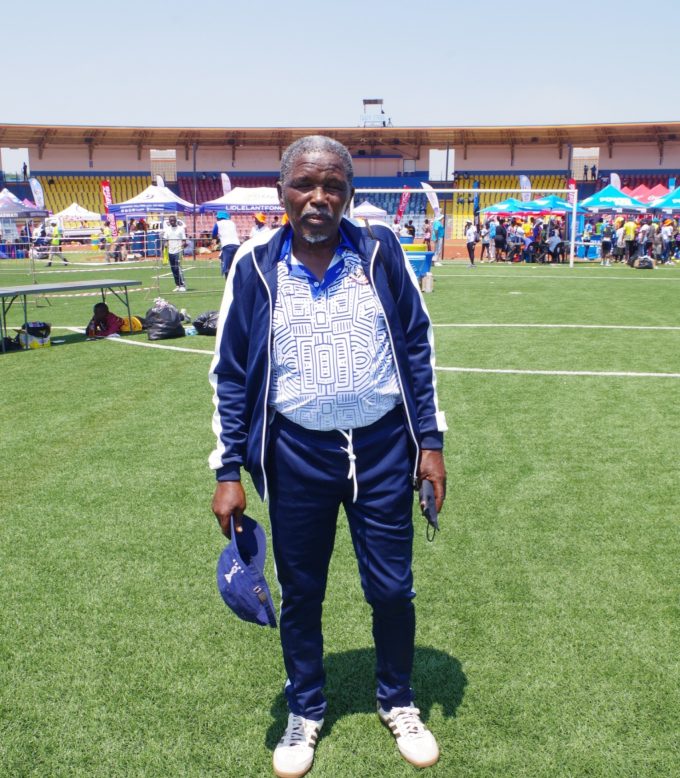
Yet the Eswatini Football Coaches Association (EFCA) admits the prolonged blackout is causing severe frustration and sleepless nights. EFCA Secretary James Kunene revealed that ongoing talks with the EFA have sparked hope that a breakthrough is close.
“We have a lot of talent that, with the right qualifications, could be appointed to lead national teams and clubs and make history on the continent. Because of the current challenge they cannot, although we appreciate that league authorities sometimes understand the situation and be flexible,” he said.

Kunene warned that the looming deadline remains a major headache, while local programmes stay grounded, though he insisted the association will continue pushing for educational opportunities. He noted that prior to 2017, Eswatini enjoyed strong standing in coaching education.
Sources close to the matter revealed that the national pool of CAF A licence holders once stood at 22, but has since dwindled to around 18 due to deaths and professional commitments outside football that prevent holders from coaching full-time.
The primary stumbling block remains the absence of a dedicated education officer at the EFA to work alongside the technical director and relaunch the curriculum. Previous reports highlighted that a small core of qualified coaches continues to be recycled for national roles, leaving emerging tacticians locked below the CAF A threshold and shut out of premier positions.
Across the continent, the landscape is shifting. Ghana has moved swiftly to meet the new convention requirements by running courses ranging from Licence D to A. Meanwhile, the Football Association of Malawi (FAM) announced it would make the CAF A licence a mandatory requirement for top-flight coaches after successfully staging its first course in a decade, ending a drought that mirrored Eswatini’s since 2016.