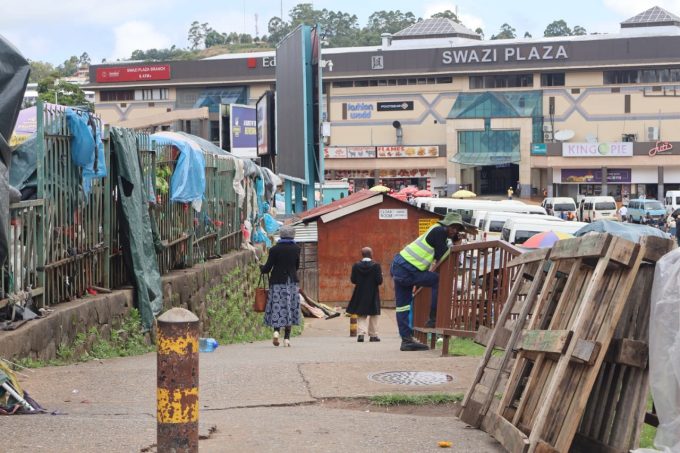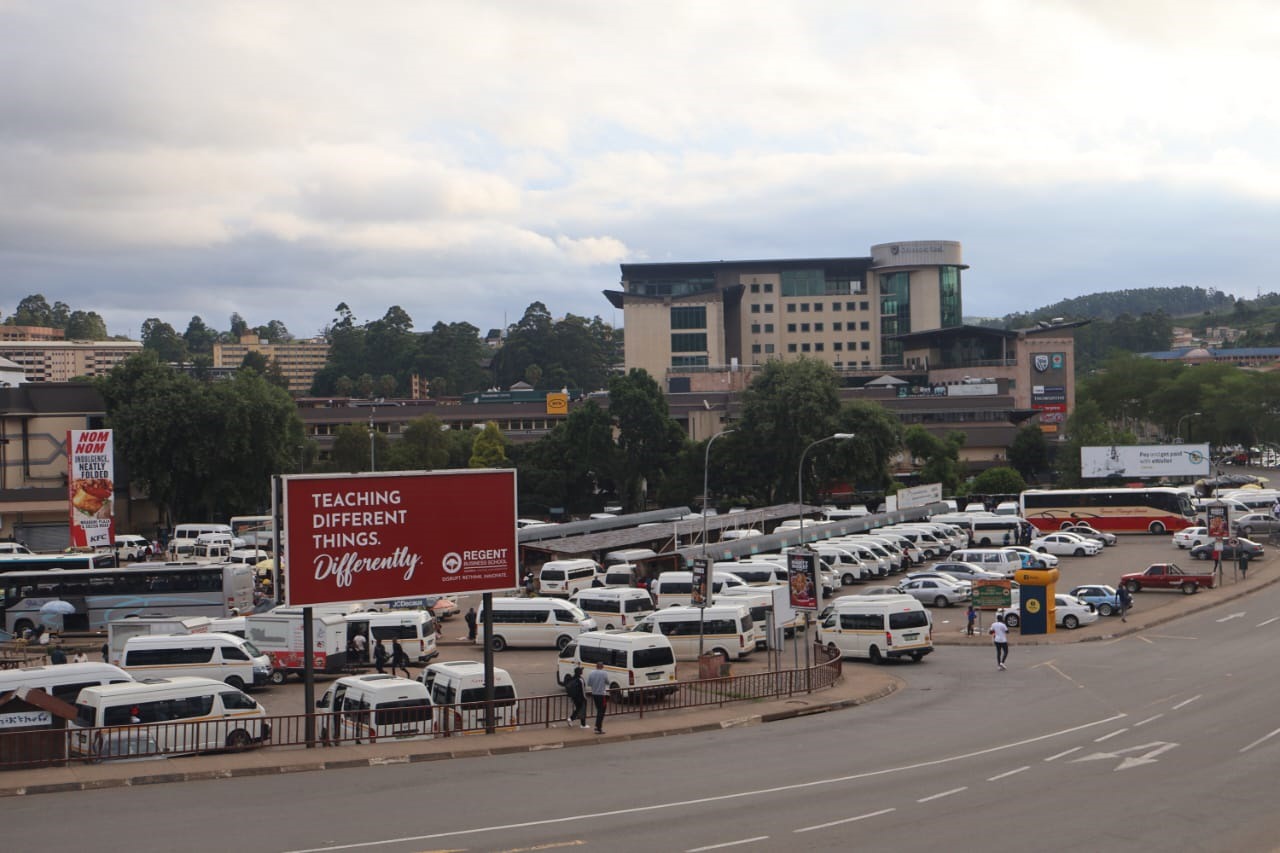
MBABANE – Cooperation and strict transparency have been urged across the public transport sector ahead of tomorrow’s nationwide implementation of adjusted bus and kombi fares.
National Road Transport Council (NRTC) Chairperson Sabelo Dlamini appealed to both transport operators and commuters to work together to avoid disputes when the new tariffs take effect tomorrow (today).
Speaking in an interview ahead of the rollout, Dlamini emphasised that the adjustments apply across all public passenger transport including buses and kombis rather than one mode alone, and noted that operators may introduce the adjusted rates either in the morning or later in the day.
To prevent overcharging and confusion at bus ranks and along routes, Dlamini stated that every operator must publicly display the official fare chart inside their vehicles.
“We agreed that anyone charging commuters money should no longer operate in secrecy; the tariff must be displayed clearly on the windows of buses and kombis so that when a passenger boards, they immediately see the adjusted fare without having to ask,” Dlamini said.
He warned operators against writing unverified figures on plain pieces of paper, insisting that notices must be official charts issued by recognised transport associations in strict accordance with the Government Gazette. According to Dlamini, legitimate fare charts must clearly indicate which transport association issued them and include a contact telephone number so commuters can verify authenticity if they suspect irregularities.
Dlamini outlined strict protections for passengers against rogue operators who fail to display official tariffs or attempt to charge unapproved amounts.
“You have the right not to pay if the fare is not displayed openly to show what you are being charged,” Dlamini stated. “Secondly, if an operator overcharges you, demand a ticket. If the amount is unlawful, you have the right to report that person to the police for arrest, because once a tariff is gazetted, it is the law.”
Equally, he noted that drivers retain the legal right to report passengers to the police if commuters refuse to pay the legitimately gazetted and displayed fares.
“Let everyone cooperate so there is no commotion, and let there be full transparency with everything out in the open,” Dlamini urged.
The rollout follows Parliament’s approval of the Maximum Bus and Taxi Fares (Amendment) Regulations, 2026, which take effect tomorrow (today), Monday, November 16, 2026.
As previously reported by the Times of Eswatini, the revised tariff structure introduces a 25 per cent increase on short-distance fares, raising the minimum fare for journeys of up to eight kilometres from E10 to E12.50. The review was necessitated by sustained operational cost pressures, following steep increases in petrol and diesel prices earlier in the year.