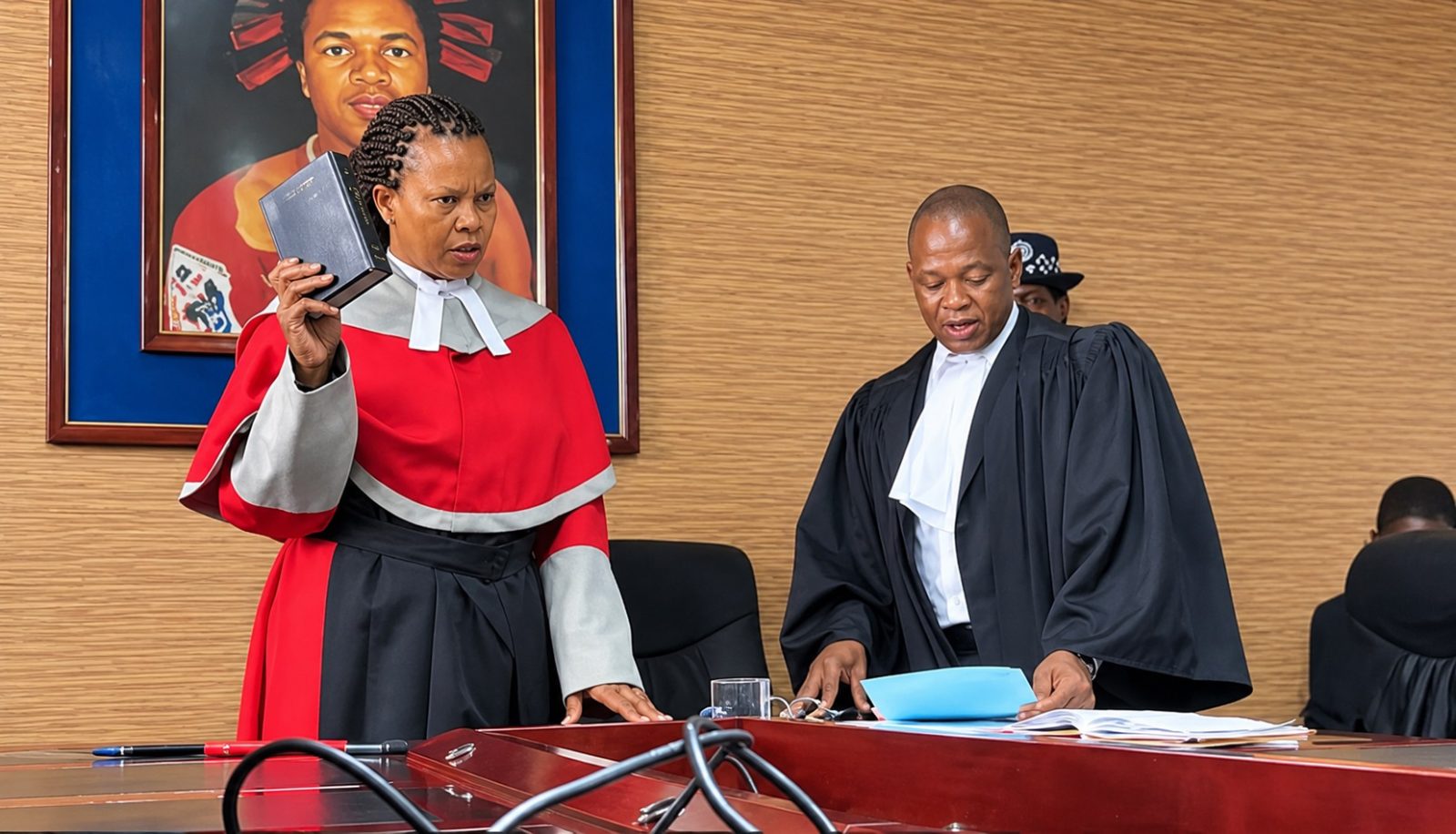
In the world of leadership, the first 100 days have long been viewed as a critical test. It is a time in which a new leader is expected to determine direction, exhibit seriousness and prove that scarce resources will be deployed where they matter most. Early positive results can build momentum, just as early blunders can prove costly for the incumbent’s tenure.
Acting Chief Justice Mumcy Dlamini has already given emaSwati a strong early warning. She was appointed by His Majesty the King and sworn in on November 9, 2026, as the first liSwati woman to hold the office, and within five days, she issued an order halting all non-fully sponsored trips for judges, registrars and other Judiciary officials until further notice.
Exemptions will only be considered in compelling and extraordinary circumstances and following consultation with the Judicial Service Commission. Funds that were earmarked for such trips will be diverted to the courts’ main job.
That sounds like a statement of priorities. Her argument is essentially that limited public money should be spent on courtrooms, case management systems and staffing, not in departure lounges.
The travel directive comes amid substantial institutional problems. The Times of Eswatini last week listed no less than 23 major concerns that are in the Chief Justice’s Office in-tray. They include both administrative and operational delays and deeper institutional problems.
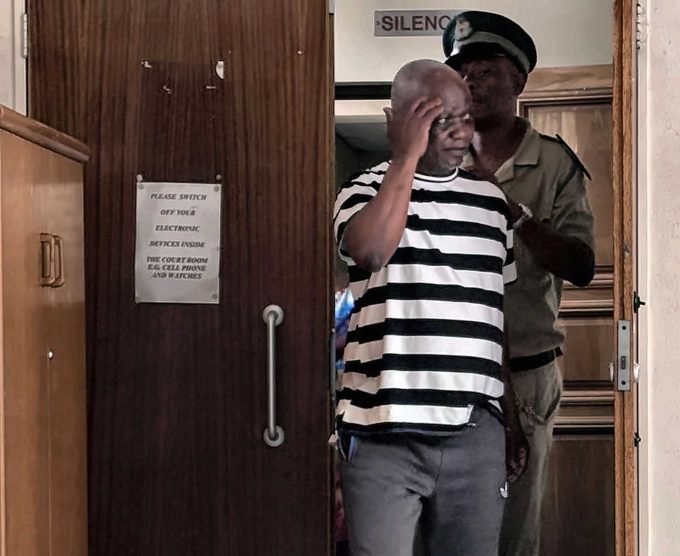
The backlog is the most evident to the public. There are now more than 29 000 cases pending in crucial categories. These are daily realities that erode faith in the legal system for families who have waited years for a property dispute, a civil claim or a criminal trial to be heard. The cost of keeping defendants waiting for trials for more than 12 months in overcrowded Correctional facilities is measured not only in Dollars but also in lost liberty, ruined careers and eroded public faith.
The Judiciary itself, the Ministry of Justice and Constitutional Affairs, the United Nations Development Programme, the African Commission on Human and Peoples’ Rights and the International Commission of Jurists have at some point reported a system under tremendous pressure.
The burden is further compounded by delayed judgments, pending referrals to the High Court and numerous adjournments due to missing witnesses and expiry of contracts for acting judicial officers. The problem is exacerbated by shortages of judges, magistrates and crucial support staff, registrars, clerks and estate examiners. Judges and magistrates still share few courtrooms and operate in under-funded facilities.
Problems persist in relation to the independence of the Judiciary, the functioning of the Judicial Service Commission, the safety of legal practitioners, access to legal aid, the treatment of vulnerable accused persons and the integrity of court records, including allegations of missing files and docket manipulation.
The Office of the Master of the High Court is still in need of reform and the roll-out of digital court processes has not kept up with the challenge.
While no one leader can undo decades of built-up strain in a matter of months, early, clear action on waste, delays and accountability may send a strong message that the courts are starting to work harder for the people they serve.
Judge Dlamini has over 20 years’ expertise in the relevant field. She has been a director of public prosecutions, a magistrate, a High Court judge and a regional judge. Exposure to both prosecution and adjudication, as well as to the system’s real restrictions, is valuable. Her first big directive shows she is willing to put fiscal discipline and core operations ahead of lesser demands on the budget. The Law Society of Eswatini has already shown its willingness to support efforts to re-establish trust. Gender equality advocates have asked for a fair and fearless administration of justice that takes gender-based violence and inequality seriously. These collaboration proposals are important because lasting improvement will require more than the efforts of a single office. It will require sustained institutional support, realistic prioritising and political will to make difficult reforms.
Female chief justices on the continent have demonstrated that strong leadership can make a difference, even in challenging circumstances. Aloysie Cyanzayire helped rebuild Rwanda’s judicial system after the genocide, including the challenging task of community-based Gacaca processes and the reform of official courts.
In Ghana, Georgina Theodora Wood was the head of the Justice for All Programme, which worked to decongest prisons, promote court-linked alternative dispute resolution and push for better infrastructure. Martha Koome in Kenya has prioritised people-centred justice, fast-tracked digital filing and virtual hearings and advocated for better case clearance rates.
Meaza Ashenafi clarified case-flow management, boosted disposition rates and advocated for gender reforms within the Judiciary in Ethiopia. Mandisa Maya in South Africa has been seeking to increase institutional independence, to clarify shared-services arrangements and to tighten internal responsibility.
These are not a blueprint ready to be copied by Eswatini.
But they do show that concentrated early choices on resources, on delays, on openness and on the daily experience of court users can begin to change performance and public perception. For the average liSwati, the test lies in answers to the following questions: Will land and civil cases be resolved faster? Will criminal cases be heard in a fair amount of time? Will judgment delays be shortened? Will the integrity of the court documents improve? Will disadvantaged litigants and accused people receive a system that treats them with basic fairness? These are the yardsticks by which the public will ultimately decide whether the first 100 days and the months ahead have begun to rebuild confidence.
Best wishes to you, Madam Chief Justice. A huge task lies ahead and the early signal is well noted. What matters now is whether that signal is accompanied by steady, tangible change that the citizens can see and feel in the courts that serve them.