

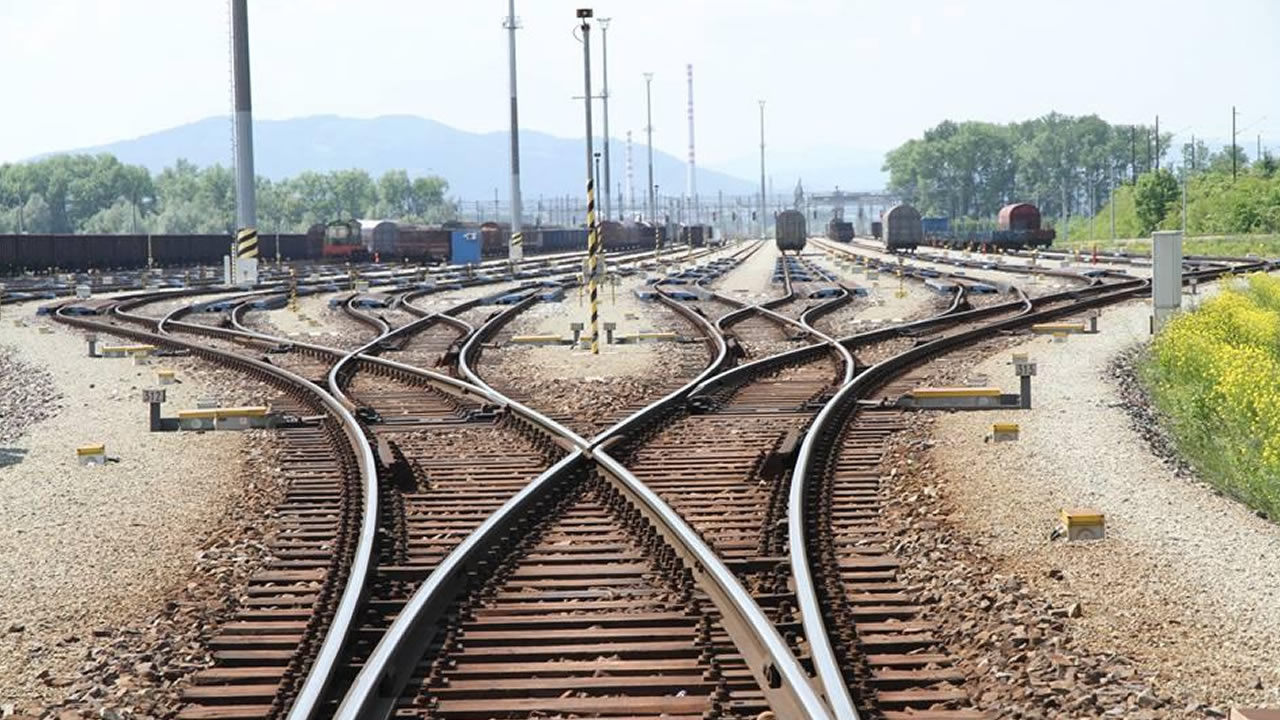
MBABANE – Government has been authorised to seize and auction E11 million in assets from a massive fuel theft operation that plagued Eswatini Railway for years.
The properties include a household compound at KaShali in Manzini comprising a one-bedroom house with a garage, an incomplete double-storey building with four one-bedroom units, an incomplete double-storey with 10 bedsitters, an open double-storey slab, a brown ‘Jojo tank’ and 1 001 nine-inch bricks.
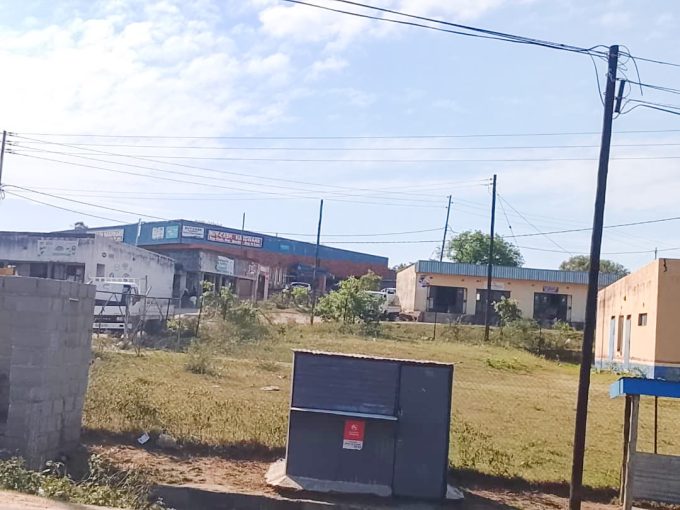
Also seized is a household compound at Mpaka, comprising nine bedsitters and three one-bedroom houses, a double-storey shopping complex at Mpaka shopping centre and two fenced vacant pieces of land. Investigations revealed that these properties were directly funded by the proceeds of the stolen fuel.
These properties, procured with monies derived from the theft of petrol worth millions of Emalangeni from Eswatini Railway, will now be sold to recover the loss that was made by the company. The properties were procured by some of the implicated employees of the company.
The latest development in the matter comes after the High Court granted an order for the forfeiture of the assets, through the Prevention of Corruption Act (POCA), 2018.
In the application for forfeiture the prosecution, successfully argued that investigations revealed that all these properties, including mansions, were acquired using money derived from the sale of the stolen fuel. The order was issued by Judge Ticheme Dlamini.
The fuel theft, which reportedly began in 2018, went undetected for an extended period, allowing those involved to accumulate significant wealth. Intensive investigations by the police revealed that some train drivers and petrol attendants accumulated massive wealth through money obtained from the theft of diesel belonging to Eswatini Railway and trains from Transnet, the largest part of the freight logistics chain in South Africa.
The theft was of such magnitude that locomotives were often emptied of all fuel along the way. The problems of fuel theft at ESR date back decades and were allegedly perpetrated by a well-orchestrated clandestine group of ESR employees.
It was found that the implicated employees were strategically placed into certain positions, from petrol attendant to train driver, to facilitate the easy and regular theft of fuel. As a result, trains would be pulled with the use of alternative engines to the nearest station under the impression they had developed mechanical faults, yet they were incapacitated by the siphoning of diesel.
During investigations, it was revealed that members of the syndicate, consisting of employees, received E5 000 to E15 000 from the sale of the stolen fuel. One of the implicated workers, said to have been the mastermind, reportedly constructed 19 bedsitters, 10 of which are at KaShali in Manzini and the others at Mpaka. Another implicated worker reportedly purchased various motor vehicles, which investigators found he had sold.
As per investigations, the organised criminal enterprise in the theft of fuel from Eswatini Railways was cash-based, reportedly revealed by some of the employees involved in the syndicate. Internal investigations showed that train drivers were siphoning fuel from both local locomotives and Transnet trains.
Consequently, other train drivers have been charged internally for fuel theft. According to Eswatini Railway, investigations into its fuel management books revealed that proper records were not kept and some books were not furnished. Those furnished to investigators showed discrepancies in the recorded information. The company is currently reconciling fuel orders, receipts, and delivery notes from the Finance Department for the financial years 2018-2023.
Another modus operandi for stealing fuel was that fuel purchased by ESR would be partially delivered, with the remaining quantity taken to illicit buyers. It was discovered that fuel discrepancies resulting from the theft from Eswatini Railway would at times be masked by replacing the fuel stolen from the railway company’s trains with fuel stolen from wagons of Transnet trains.
An ESR senior manager deposed an affidavit outlining how the diesel theft was uncovered. Masuku stated that ESR buys fuel in bulk for its locomotives and Transnet trains, fuelled at ESR’s fuel depot at Mpaka Railway Station.
He received information that fuel was being siphoned from both the depot and the locomotives and reported it to his supervisors. Police officers from the Lubombo Region confirmed knowledge of the matter and were investigating cases involving Thulani Bhembe and Ncamiso Makhubu. It was agreed that certain train crews should be monitored.
His evidence further stated that Makhubu, an ESR employee living at Mpaka Village and with a home near Mpaka main road, had purchased a mini-truck regularly seen in Mpaka Village. On August 8, 2023, they received information that Makhubu and his train assistant, Phila Shongwe, had stopped at Lubhuku KM 135 and were illegally siphoning fuel from the locomotive.
Mpaka police were called and set out to the site, encountering Makhubu’s mini-truck with two 1 000-litre tanks that appeared empty. They monitored the truck’s movements, and after about 90 minutes to two hours, the senior officer reportedly overheard Makhubu reporting to the train controller at Mpaka Railway Station that the KM 135 train had developed mechanical problems.
Shortly after, Makhubu advised the train controller that he would pull out the cargo using the other locomotive engine, which was granted permission. He explained that each load typically had two locomotive engines. With the police, they continued to monitor the truck and were advised it was seen at the main road, where its driver, Norman Nxumalo, was detained along with the truck.















Leave a comment