

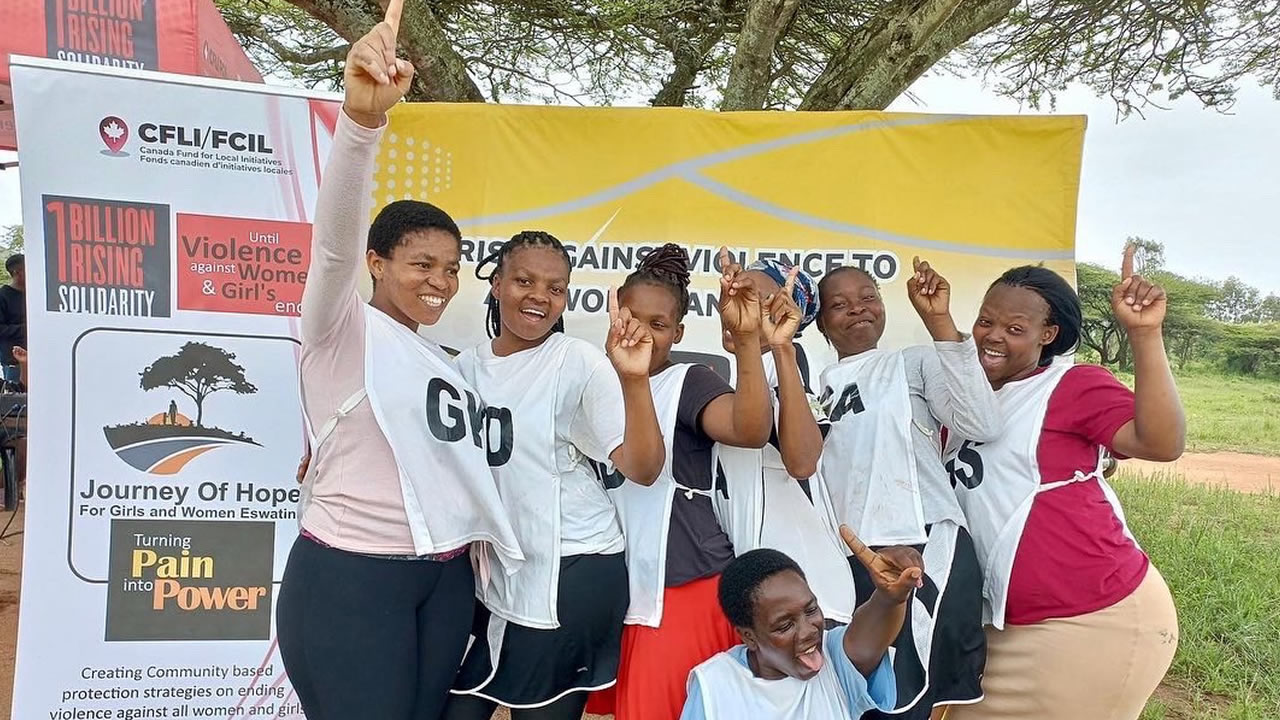
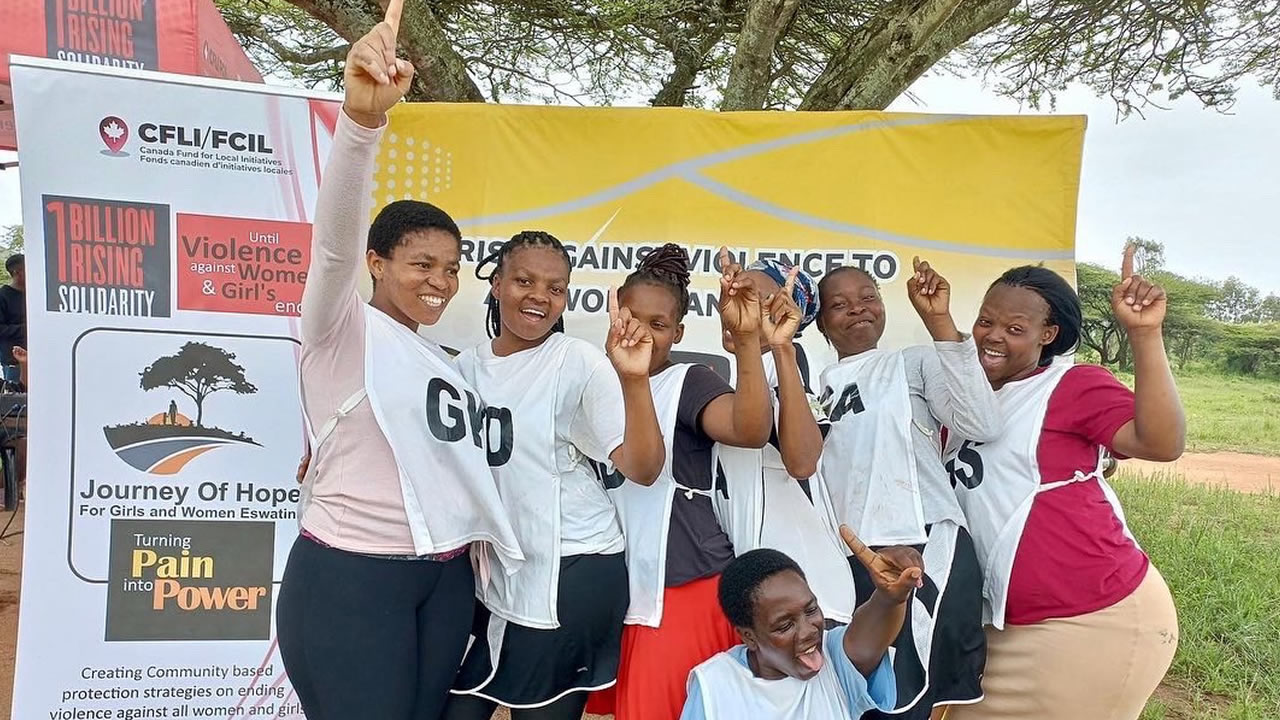
MBABANE – In a nation currently in the grip of gender-based violence, One Billion Rising has taken a stand to help women.
As a means of promoting gender equality, reducing gender-based violence and improving economic independence among women, One Billion Rising Eswatini has launched a Community Circles’ Savings and Credit Cooperative model.
The initiative, designed to transform the lives of women and address gender-based violence (GBV) at the grassroots level, officially began on 2 June with a training session held at the Eswatini Co-operative Development College (ECODEC) in Matsapha.
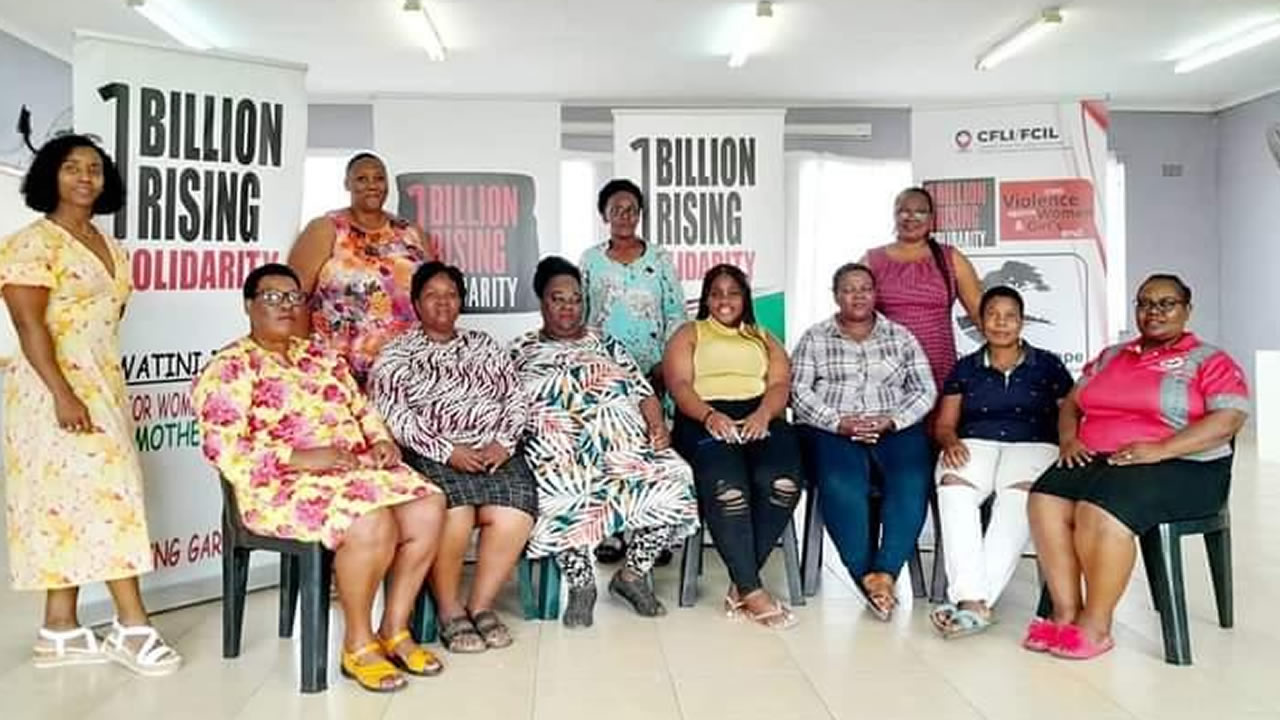
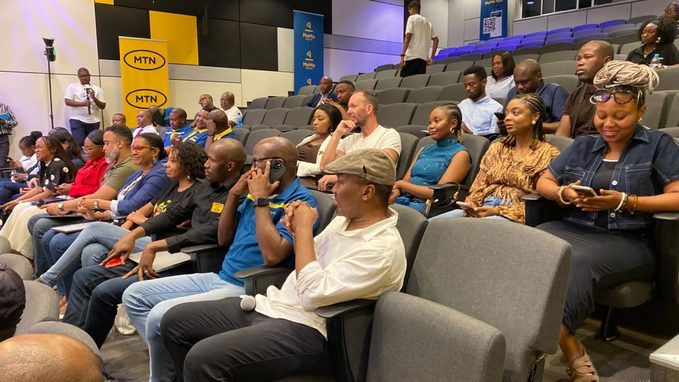
The session brought together 20 women representing over 40 One Billion Rising Community Circles from across the country. These women participated in an intensive capacity-building workshop facilitated by Thabisile Magagula, an ECODEC representative. ECODEC is a national institution dedicated to advancing sustainable community development through cooperative principles.
During the workshop, participants were introduced to the technical aspects of establishing formal savings and credit cooperatives. This included training on governance structures, financial management, legal compliance and operational planning. For many of the attendees, this was their first formal exposure to the cooperative framework. “While some had prior experience with informal savings groups such as stokvels, they reported facing challenges related to scalability, financial literacy and legal recognition,” Director Colani Hlatswako explained.
The training was supported by the MTN Eswatini Foundation and marked the beginning of a new chapter for community groups led by women under the organisation’s campaign. “These Community Circles, previously engaged in advocacy around gender justice and community dialogue, are now broadening their focus to include financial empowerment and institutional sustainability,” Hlatswako said. Through the adoption of the cooperative model, the groups aim to establish long-term economic solutions that can operate independently of donor funding, the director noted. She added that such programmes will enable women the freedom to leave abusive relationships, as they will not be trapped in these because of financial dependency on their partners.
Thokozani Dlamini, a member of the Buhlebuyeza Community Circle, highlighted the training’s practical relevance to their community-based initiatives. She explained that “the knowledge gained would help reduce reliance on donor support by enabling women to develop and sustain income-generating activities”. Dlamini added that the training demonstrated the potential for local women to build economic models that serve their communities while promoting self-reliance and dignity.
The participants also examined how financial empowerment intersects with efforts to reduce GBV. According to training facilitators, economic vulnerability has often contributed to women’s exposure to various forms of abuse, including financial control by partners or relatives. The cooperative model, they argued, provides a pathway to greater autonomy by enabling women to collectively own and manage financial resources, thereby strengthening their bargaining power both within the household and in broader society.
Sitakele Maseko, the OBR Community Circles Coordinator, reiterated that economic empowerment formed a key pillar of OBR’s mission in Eswatini. “Financial literacy and cooperative leadership would enable women to take charge of their lives in more substantive ways,” she remarked. Maseko explained that the initiative seeks to create resilient community structures that not only support women economically but also serve as platforms for advocacy and social change.
The training session further emphasised the importance of legal and institutional frameworks for the success of cooperatives. Magagula guided participants through the process of registering cooperatives with the Ministry of Commerce, Industry and Trade, as well as understanding the legal obligations tied to cooperative governance. Magagula noted that proper registration and compliance would enable cooperatives to “access government support and financial services, such as loans or grants, thereby strengthening their operational capacity”.
Beyond the technical training, the event also served as a networking platform for the participants. Women from different regions shared their experiences, discussed common challenges and explored potential partnerships. Many expressed interest in launching cooperatives focused on agriculture, handicrafts, catering and small-scale retail. The participants committed to returning to their respective communities to educate fellow members of their Community Circles and begin preparations for forming registered cooperatives.
The cooperative model is expected to have a multiplier effect, with benefits extending beyond individual women to entire households and communities. As women gain access to and control over financial resources, they are positioned to make decisions that can improve household welfare, including investments in education, health and nutrition. Research has shown that empowering women economically also correlates with lower incidences of GBV, improved community resilience and greater civic participation, the director said.
The organisation’s efforts are part of a global movement to end violence against women and girls. The campaign operates in over 200 countries and emphasises grassroots mobilisation, systemic change and the transformation of cultural norms that perpetuate inequality. In Eswatini, the entity has focused on creating safe spaces for dialogue, supporting survivors of GBV and advocating for policy reforms. The addition of a financial empowerment component through cooperatives represents an expansion of the movement’s strategy, aiming to address the root causes of gender-based violence and inequality.
The MTN Eswatini Foundation, which funded the training, has expressed its commitment to supporting community-driven development projects, particularly those that enhance women’s economic participation. In a statement, the Foundation noted that investments in women-led enterprises contribute significantly to inclusive economic growth and social cohesion.
















Leave a comment