

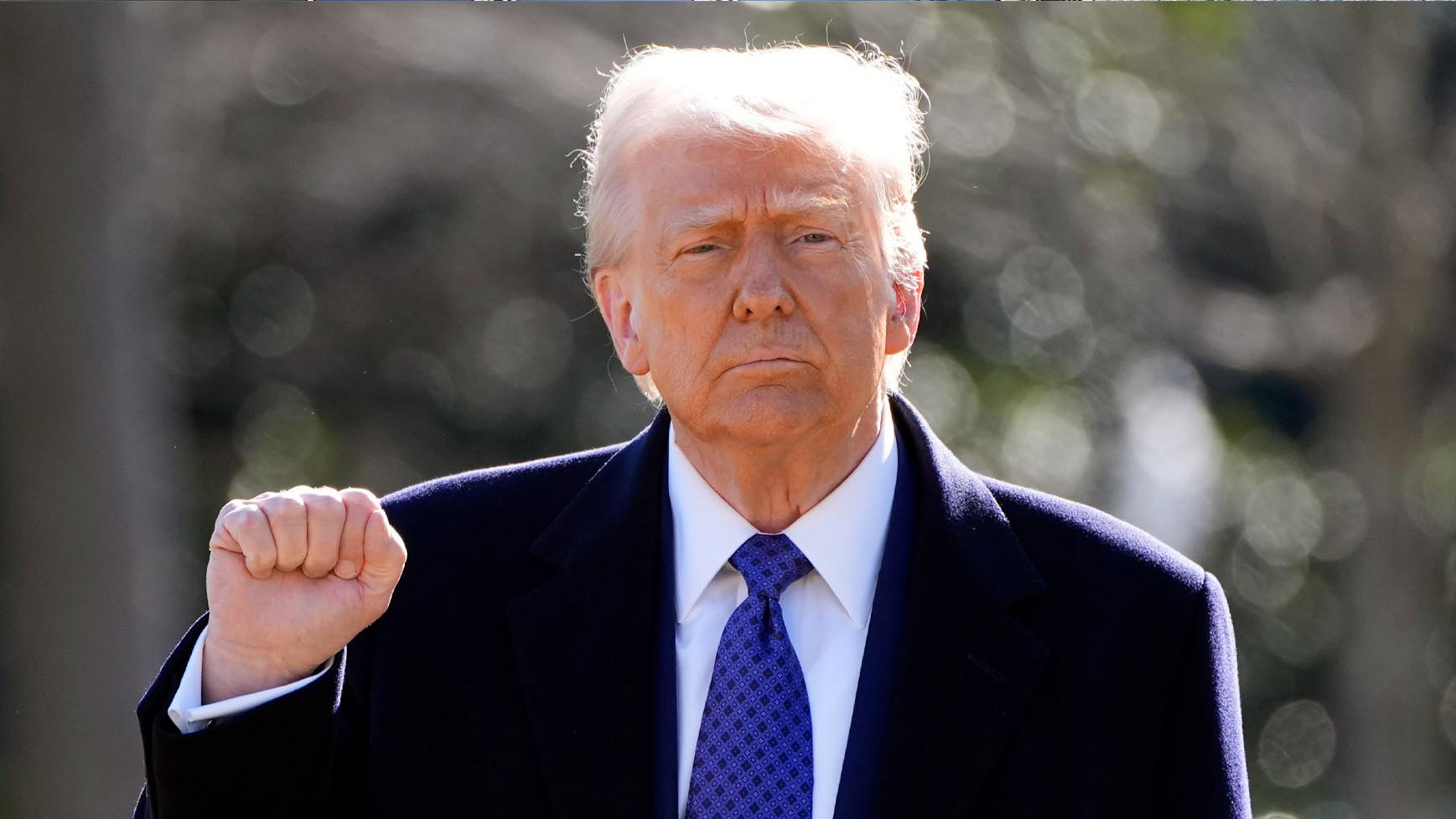
With US President Donald Trump on a cost-cutting warpath since starting his second term, aid to Africa has been slashed and now defence spending is in his sights – but could these approaches cost more in the long run?
The phrase his administration presses on Europe to assume more of the costs of its own defence is “burden sharing”. This is the challenge that Washington is now throwing down to African armies too – and they are far less comfortably resourced to take it on.
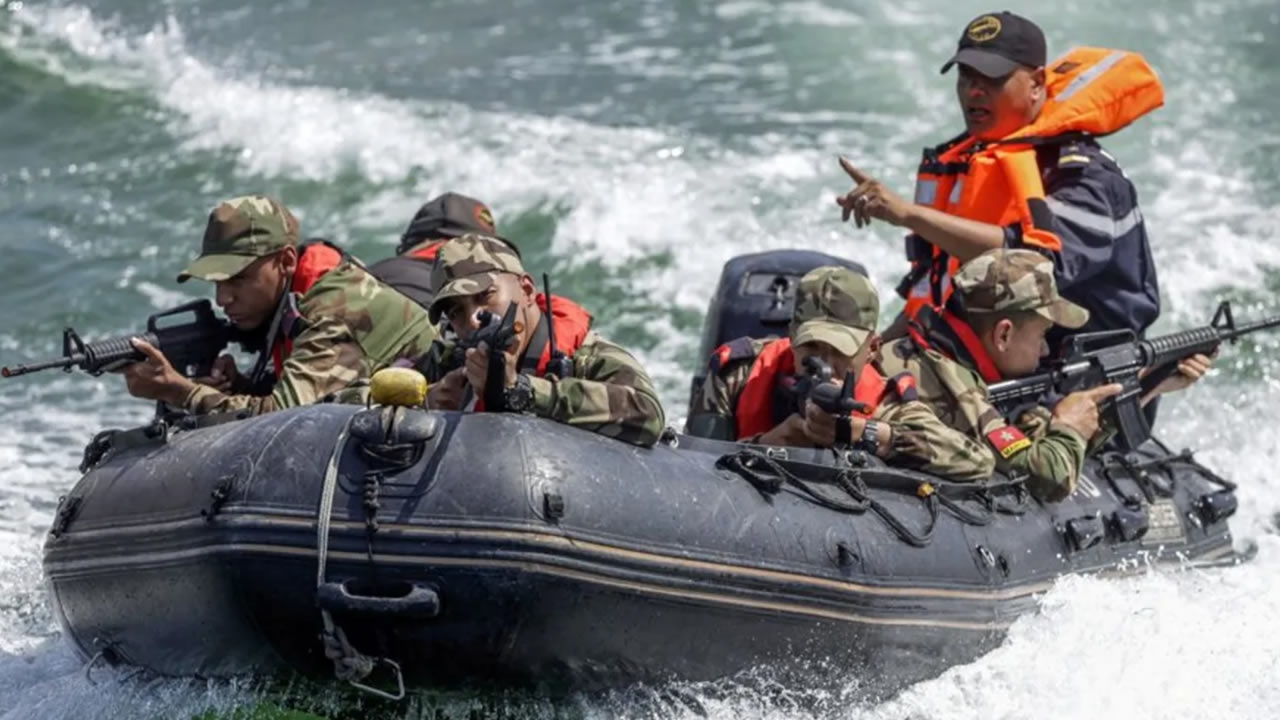
Moreover, having paid dearly in lives and money, in the struggle to hold back the spreading reach of jihadist armed groups across the Sahel, the Lake Chad basin and Somalia over recent years, they could be forgiven for feeling that they already carry much of the burden – and for the sake not just of their own continent but the wider international community too.
Benin, which has lost more than 80 soldiers in jihadist attacks since the start of the year, is just one example.
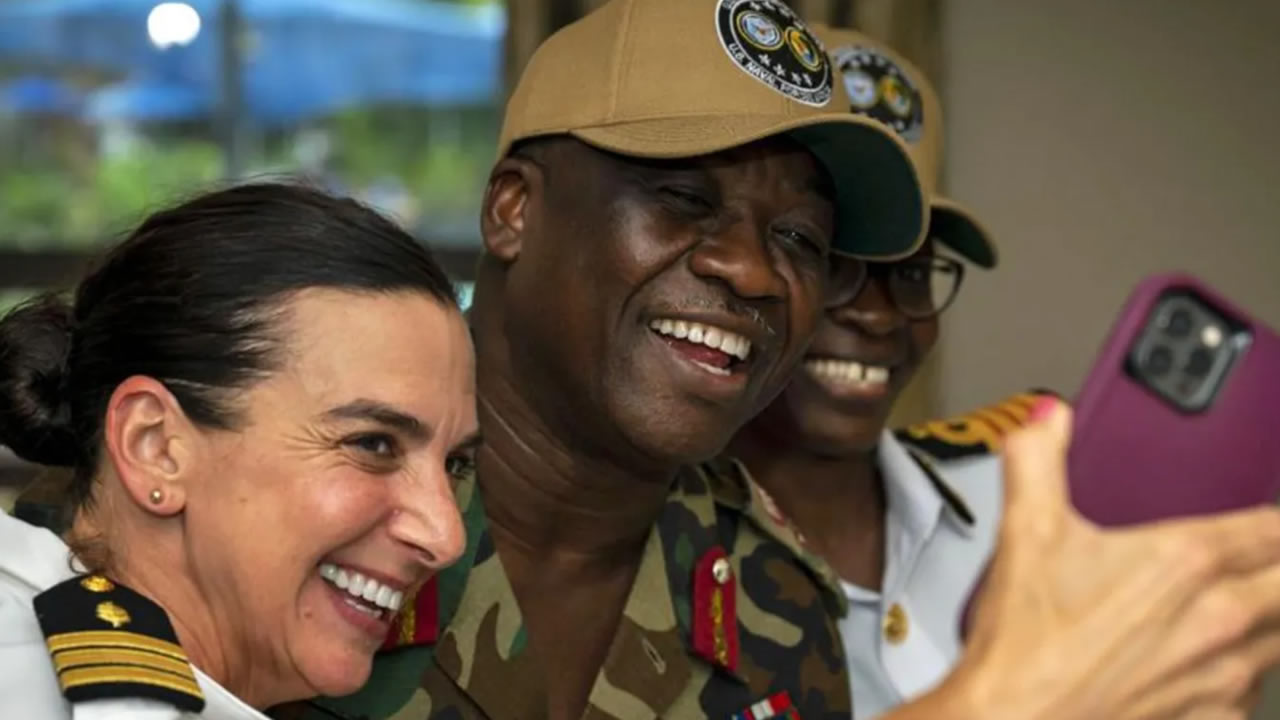
“The epicentre of terrorism on the globe” is how the Sahel was described a few days ago by Gen Michael Langley, who as head of US Africa Command (Africom) oversees the American military presence south of the Sahara.
In briefings and interviews over the past few weeks, he has graphically outlined the threat that jihadist groups will present if their push southward towards the Gulf of Guinea succeeds.
“One of the terrorists’ new objectives is gaining access to West African coasts. If they secure access to the coastline, they can finance their operations through smuggling, human trafficking and arms trading. This not only puts African nations at risk but also raises the chance of threats reaching US shores.”
Gen Langley has admitted that the current upsurge in militant attacks is “deeply concerning”.
Yet he has also repeatedly hammered home a core message: the US is minded to rein back its own sub-Saharan military operations, leaving local armies to take on more of the defence burden.
Some 6,500 personnel are currently deployed in Africa by the US military and a 2019 list published by Africom mentioned 13 “enduring” American bases across the continent and a further 17 more temporary facilities.
But some of these installations, including the purpose-built drone base at Agadez in Niger, have already been shut down, in particular after military juntas seized power in Niger, Mali and Burkina Faso since 2020.
And it now looks as if the once-ambitious American operational footprint will be pruned back quite a lot more.
Perhaps we will see more air power deployed from offshore to hit militant targets – Gen Langley says there have been 25 strikes in Somalia this year, double the 2024 total – but a much thinner permanent on-the-ground military presence.
“Some things that we used to do, we may not do anymore,” he recently told a conference in Kenya’s capital, Nairobi, that brought together chiefs of defence staff and other senior officers from 37 countries.
“Our aim is not to serve as a permanent crutch, but to achieve US security objectives that overlap with our partners. We should be able to help African nations build the self-reliance they need to independently confront terrorism and insurgencies.”
In the bluntness of his language Gen Langley reflects the stark change of outlook and policy that has come from January’s change of power at the White House.
“We have set our priorities now – protecting the homeland.”
What matters to the no-longer-so-new Trump II administration, the general made clear in a Pentagon publication last week, is fighting terrorists – particularly those who might attack the US.
Other priorities are countering the spread of Chinese military influence across Africa and protecting freedom of maritime navigation through key trade choke points such as the Strait of Gibraltar and the Mediterranean, the Suez Canal and the Bab el-Mandab Strait at the southern end of the Red Sea.















Leave a comment