

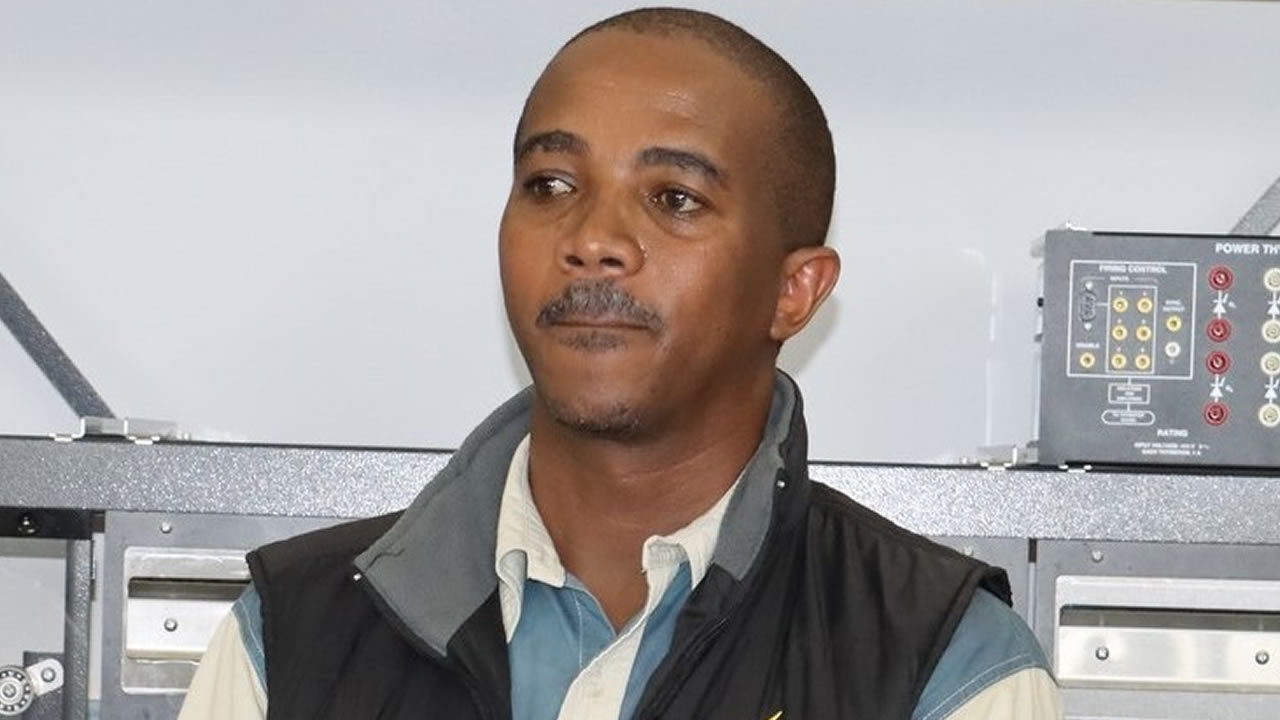
MBABANE – The Federation of Eswatini Business Community (FESBC) has raised concerns over the severe impact of scheduled electricity outages on the country’s micro, small and medium enterprises (MSMEs).
FESBC has issued a warning that persistent blackouts are disrupting operations, drastically reducing profitability and stifling growth across the sector.
Benjamin Simelane, Chief Executive Officer of FESBC, stated that the outages have placed immense strain on indigenous businesses, many of which simply lack the financial resources to invest in alternative energy solutions.
“Most, if not all, MSMEs do not have the means to provide alternative sources of power during the scheduled outage,” Simelane explained.
Consequences
Among the most immediate consequences highlighted by Simelane are widespread operational disruptions, including interruptions to production due to machinery and equipment requiring a constant power supply. These stoppages, according to FESBC have resulted in significant delays in output and a sharp drop in productivity across various sectors.
Simelane stated that financial losses have also escalated, with numerous businesses experiencing substantial revenue loss as a direct result of downtime, particularly those heavily reliant on timely services or continuous production. Simelane added that operating costs have sharply increased due to the essential need for generators, fuel and other backup energy sources.
The FESBC further highlighted instances of equipment damage caused by power fluctuations during switching, which have led to costly repairs and replacements of sensitive electronic devices. Data loss was also identified as a critical concern, particularly for businesses that have been unable to afford robust backup systems. “The sudden outages have resulted in loss of data, affecting business continuity,” Simelane lamented.
He stated that employee productivity has likewise suffered.
Dissatisfaction
According to FEBSC, work stoppages during outages, especially in sectors dependent on electrical tools, have not only hampered output but, in some cases, posed significant safety risks. Customer dissatisfaction and reputational damage have compounded these challenges. According to FESBC, businesses have seen declining customer trust due to service interruptions, with some enterprises reporting a loss of loyal clientele.
“The load-shedding poses significant risks to MSMEs’ sustainability and growth,” Simelane asserted, calling for greater attention to resilient energy solutions and contingency planning to safeguard the nation’s vital small business sector.
Meanwhile, some consumers are further frustrated by EEC’s inconsistent adherence to its own load-shedding schedules, causing unpredictable disruptions and significant inconvenience.
Voices of despair recount tales of being unable to cook meals, a basic necessity, or even carry out routine daily tasks that rely on electricity.
A more chilling concern, however, is the fear for lives. Some individuals highlighted that they depend on electrically powered medical devices for their health and well-being. They argued that the alleged arbitrary nature of power cuts and the unpredictable delays in restoration, poses a genuine threat to these vulnerable individuals, raising serious questions about the ethical implications of the current load management strategy.
In response, the EEC has leapt to its defence, dispelling the accusations and clarifying its operational procedures. The utility firmly denies any claims of socio-economic bias, asserting that its load management is guided by a complex interplay of technical, operational and strategic factors, rather than the financial standing or residential location of its customers.
“Load management is implemented based on a combination of technical, operational and strategic factors, not on socio-economic status or residential demographics,” stated Khaya Mavuso, the EEC Marketing and Corporate Communications Manager. He emphasised the company’s unwavering commitment to fairness.
Mavuso explained that areas are systematically grouped by substations or feeders, with those carrying higher loads or serving non-critical infrastructure, such as residential areas, more likely to experience load management. Crucially, the EEC highlighted that critical facilities like hospitals, water treatment plants, national security installations and emergency services are generally exempt from load management, underscoring their commitment to public safety and the continuity of essential services.
The EEC also addressed the observable phenomenon of some establishments retaining power during outages, clarifying that this is often due to their own installed backup power systems, not preferential treatment from the company. They further stressed that when load management is implemented, it affects the entire feeder, meaning it is not selective of individual households within that feeder.
Scrutiny
“Whenever load management is implemented, it affects the entire feeder and is not selective of households in that same feeder. We are committed to fairness in implementation and welcome independent scrutiny,” Mavuso affirmed, inviting an impartial review of their practices. This open invitation suggests a willingness on the part of the EEC to demonstrate transparency and accountability, although whether it will be enough to quell the widespread discontent remains to be seen.
The issue of delays in power restoration, a frequent source of frustration for consumers, was also addressed by EEC. The company acknowledged that power restoration may not always align precisely with scheduled times, attributing these discrepancies to ‘unforeseen grid instability, safety procedures, or switching logistics’. Despite these challenges, the EEC stated its continuous efforts to minimise delays and improve system responsiveness, urging customers experiencing frequent overruns to report them via their call centre for immediate escalation. This recognition of the problem, coupled with a mechanism for reporting, offers a glimmer of hope for improved service delivery, though the effectiveness will ultimately lie in the company’s ability to act upon these reports and reduce the frequency of such delays.
Understanding the significant inconvenience caused by power cuts, especially during the harsh winter months when electricity is paramount for basic needs, the EEC reiterated that load-shedding is always a measure of last resort. It is implemented, they explained, to prevent a catastrophic grid failure that could lead to even longer and more widespread national outages. The company encouraged customers to explore off-peak usage strategies and consider alternative energy sources where feasible, suggesting a shift in consumer behaviour as part of a broader solution. Furthermore, EEC revealed that its teams are actively working on medium-term solutions to enhance grid resilience, indicating a commitment to long-term improvements beyond the current crisis.
Finally, the EEC placed the current energy situation within a broader regional context, emphasising that the challenges faced by Eswatini are not unique. “The current energy situation is not unique to Eswatini. Regional constraints, rising demand, and supply-side limitations affect many SADC countries,” added Mavuso, aiming to diffuse the notion that Eswatini’s energy woes are solely an internal issue.
Reliability
The company concluded by highlighting its ongoing efforts, in partnership with the Ministry of Natural Resources and Energy, to invest in infrastructure development, diversify energy sources, and implement smarter load management systems to ensure long-term reliability of power supply.
Worth noting is that the electricity crisis is not solely unique to Eswatini. Yesterday, ZESCO also announced a load-shedding schedule in Zambia. ZESCO is a State-owned power company in Zambia and is the country’s largest power provider, producing approximately 80 per cent of the electricity consumed in the nation.
According to the Zambian electricity company, the emergency shutdown of a generator prompted the company to ration the available electricity. In the statement issued yesterday, due to the interruption, the company experienced a reduction of about 150MW in electricity, triggering a stage 10 electricity rationing.
















Leave a comment