

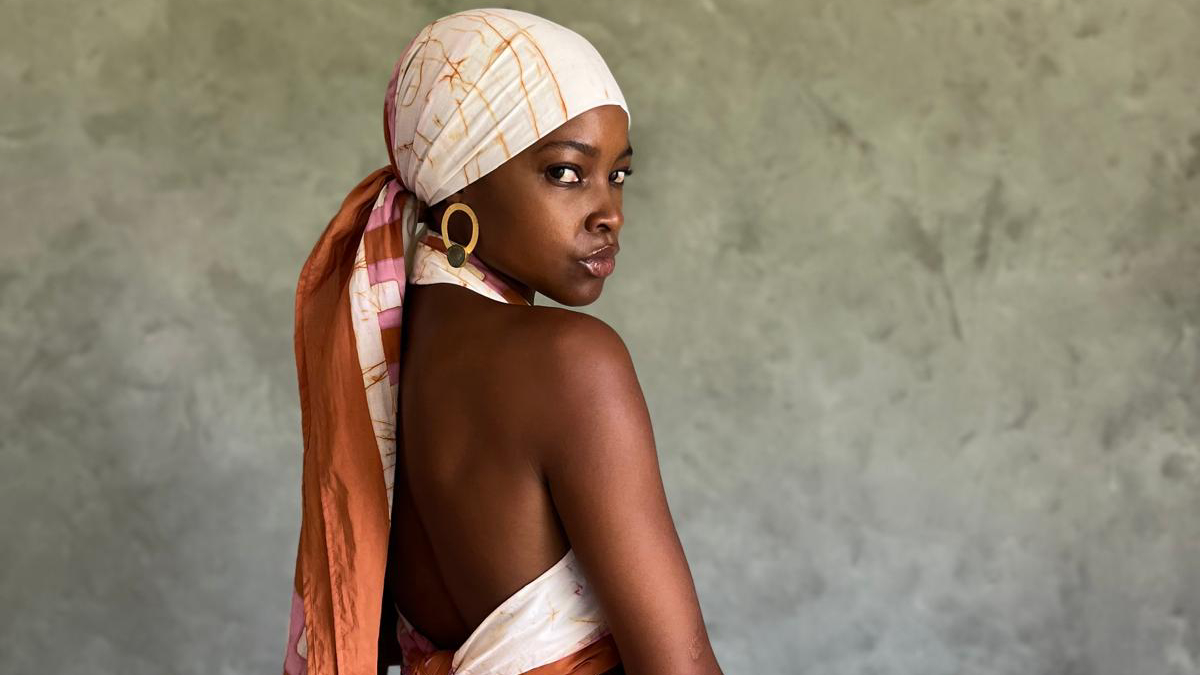
Nozipho Thorne, affectionately known as Make Thorne, stands as the visionary behind Mongi Botanical, a venture deeply rooted in indigenous botanicals, foods and knowledge of Eswatini.
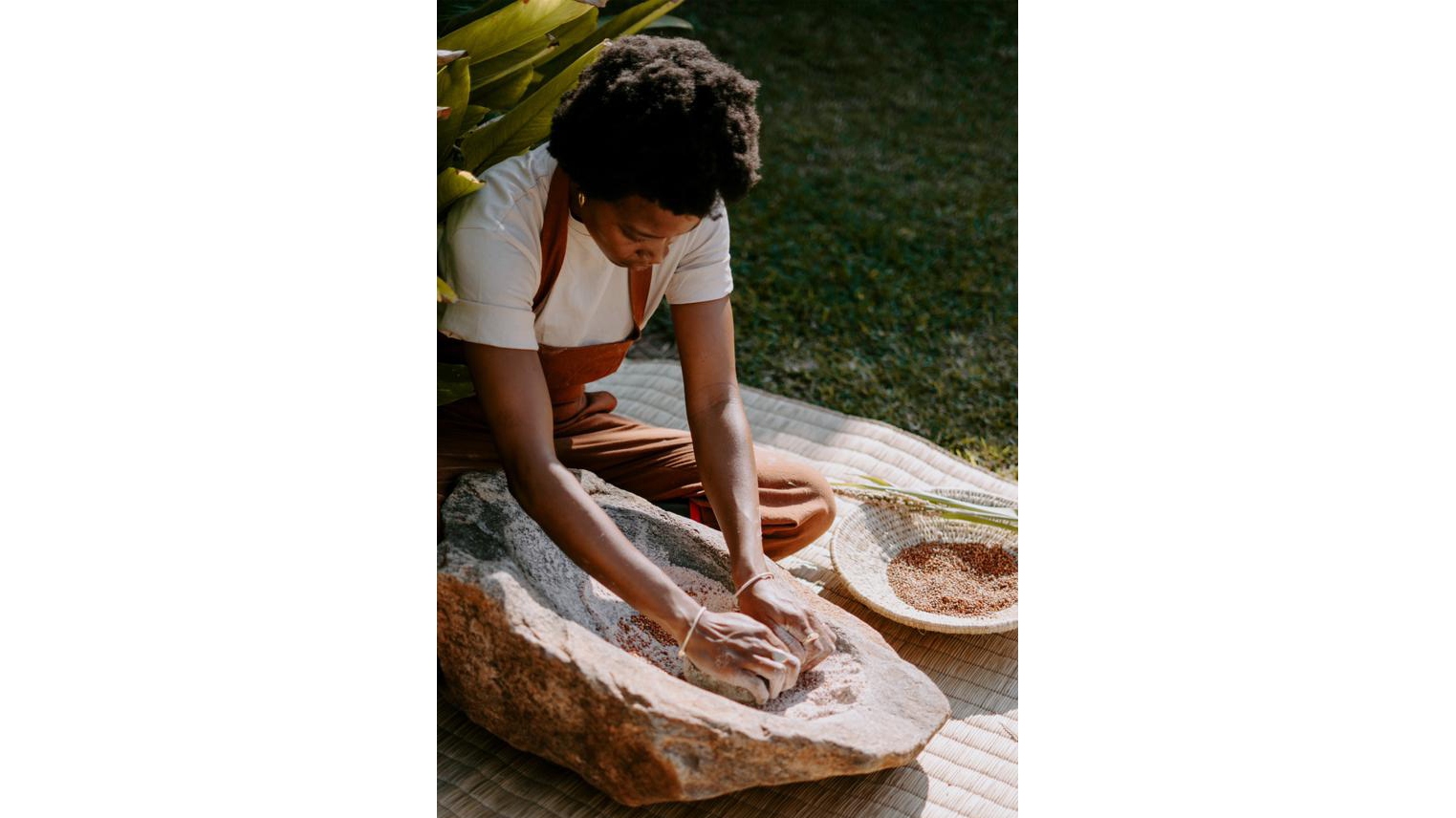
Beyond her role as founder, forager and formulator, she is a culinary curator for local events like the MTN Bushfire and Standard Bank LUJU food and lifestyle festivals.
Sasha’s formative years were woven with cherished memories of her great-grandmother. Daily walks to pre-school, a comforting refuge in times of childhood mischief and quiet afternoons spent basking in the sun, where she would playfully trace the soft, leathery folds of her great-grandmother’s skin, painted a picture of serenity and unconditional indulgence.
Her profound passion was ignited during years dedicated to rural community development. Here, she confronted a crucial truth, the delicate balance between empowering communities and inadvertently fostering dependency on aid. What she resonated most deeply with was the revelation that these so-called ‘marginalised’ communities were, in fact, incredibly rich, not in monetary wealth, but in land, traditional knowledge, robust communal ties and an underutilised bounty of indigenous foods and natural medicine.
The COVID-19 pandemic further amplified this awareness. While urban dwellers were faced with unprecedented challenges, rural communities instinctively turned to their local plants and traditional foods for sustenance and healing. Sasha often finds herself immersed in a whirlwind of ideas, a constant stream of conceptualisation. Yet, her strengths lie in her profound empathy and sensitivity to energy. She is also notably rational and remarkably resilient.
Indigenous food, for Sasha, transcends mere sustenance. “It encapsulates stories, values, memories and a symbiotic relationship with the land. The marula fruit, for instance, holds significant cultural importance in Eswatini, uniting people in the joyous celebration of the first harvest,” she said. Preserving and celebrating these foods is a potent means of safeguarding cultural identity, particularly in the wake of colonialism, which has often eroded or erased local practices.
For Sasha, it is not about choosing between the traditional and the modern, but rather about fostering a dynamic dialogue between them. Festivals like Bushfire and Luju attract an audience eager for unique, exciting and authentic experiences. Whether infusing modern cocktails with wild botanicals, reimagining traditional dishes with creative plating or offering plant-based renditions of Swati staples, her curatorial approach aims to honour the very soul of the food. In this way, even the most contemporary expression retains a profound connection to collective identity.
Indeed, a quiet yet powerful movement is gaining momentum, particularly among young creatives and food influencers like Mrs M, who are ingeniously reimagining indigenous ingredients, weaving them into contemporary dishes and desserts. It is inspiring to witness traditional foods shed their outdated perception as ‘poor people’s food’ and emerge as a source of pride, creativity and even luxury.
Locally, Sasha draws immense inspiration from Gogo Delores of Edladleni, a steadfast and passionate advocate for traditional Swati cuisine for decades. Her work has preserved and elevated indigenous food culture with remarkable grace and integrity, laying a foundational path for many to follow today. Internationally, she is inspired by her friend and mentor, Mokgadi Itsweng. Her approach to indigenous food is both innovative and deeply rooted, she unapologetically centres African ingredients. Her work constantly reminds Sasha that African foodways are powerful, contemporary and deserving of global recognition.
Sasha envisions herself continuing to build spaces, both physical and experiential, that champion indigenous ingredients and knowledge systems. She aims to create platforms that honour heritage while inspiring new ways to engage with it. The future she envisions is one where local, indigenous cuisine is not only appreciated but profoundly valued as a vital component of wellness, identity and sustainability.
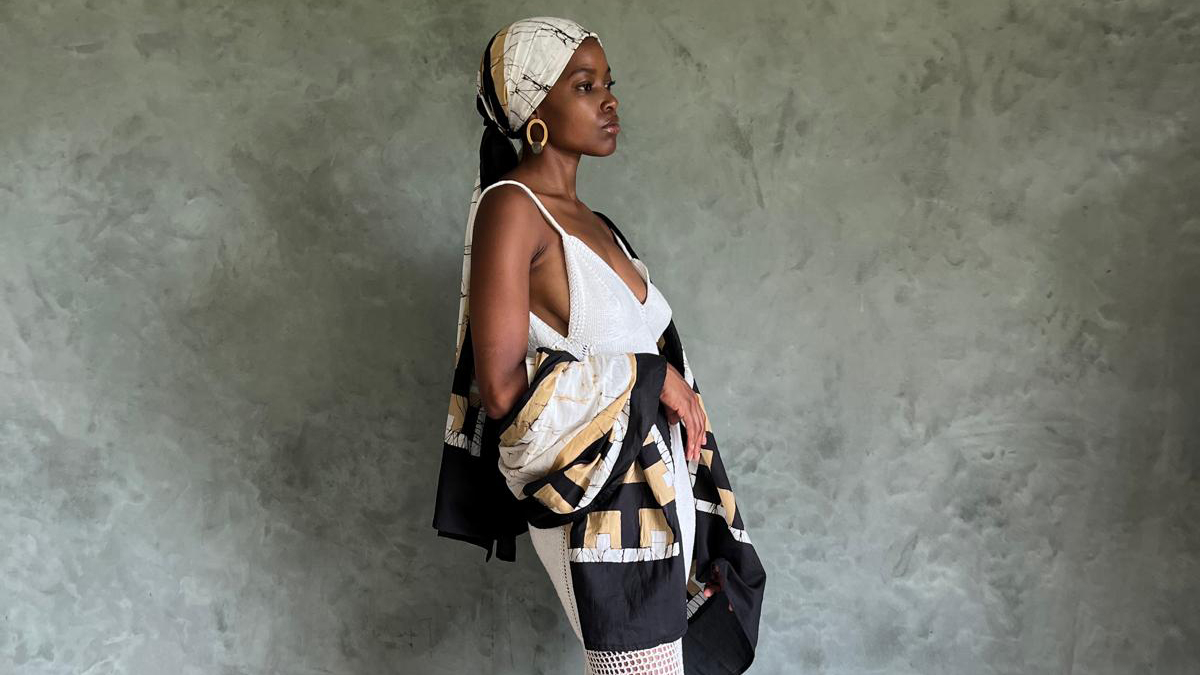
Her personal style gravitates towards expressive, consciously made clothing crafted from natural fibres. She describes her aesthetic as ‘structured chaos’, unexpected patterns and placements balanced with intentionality. She rarely pre-plans looks and her closet is surprisingly capsule, as she endlessly thrifts and recycles single pieces, constantly finding new ways to revitalise her staples.
Sasha deeply admires two Eswatini-based designers who are Philippa Thorne and Jerem Paul by Khulekani Msweli. Philippa Thorne, her sister-in-law, is a powerhouse creative force behind brands like Khokho Collection and Gone Rural. Her luxury handbags, often woven from indigenous ‘lutindzi’ grass and paired with leather, celebrate traditional Swati weaving through a high-design lens. Philippa also co-designed Sasha’s wedding dress, collaborating with a local crochet artisan to bring that vision to life. Her versatility, meticulous eye for detail and dedication to empowering unsung creatives are a constant source of inspiration.
Jerem Paul by Khulekani Msweli, embodies the future made wearable. Although he may be less active in fashion design now, Sasha is proud to own pieces from his collection that remain timeless with a forward-thinking aesthetic—humble yet statement-making. He is also multidisciplinary, excelling in fashion, furniture, interior design and even food and craft, consistently working with community artisans. What she cherishes most about both designers is their conscious, ethical approach to fashion and design. They elevate local materials and techniques, mentor emerging creatives and demonstrate that design can enrich both identity and community. For her, they are pivotal sources of daily inspiration across fashion and homeware, and she longs to see and own more of their creations.




















Leave a comment