

Eswatini is in serious trouble with regards to high levels of corruption. For many years, this situation has received the attention of the head of State, government, researchers and society at large. The Minister for Finance at the last Sibaya made a shocking statement when he said ‘lamagundvwane asadla nemabhokisi’.
In fact, the corruption has become a cancer that now threatens the lives of emaSwati. For example, with the health crisis, health professionals have told the nation that all that is left for them to do is to pray for patients, instead of providing care that they are trained to provide.
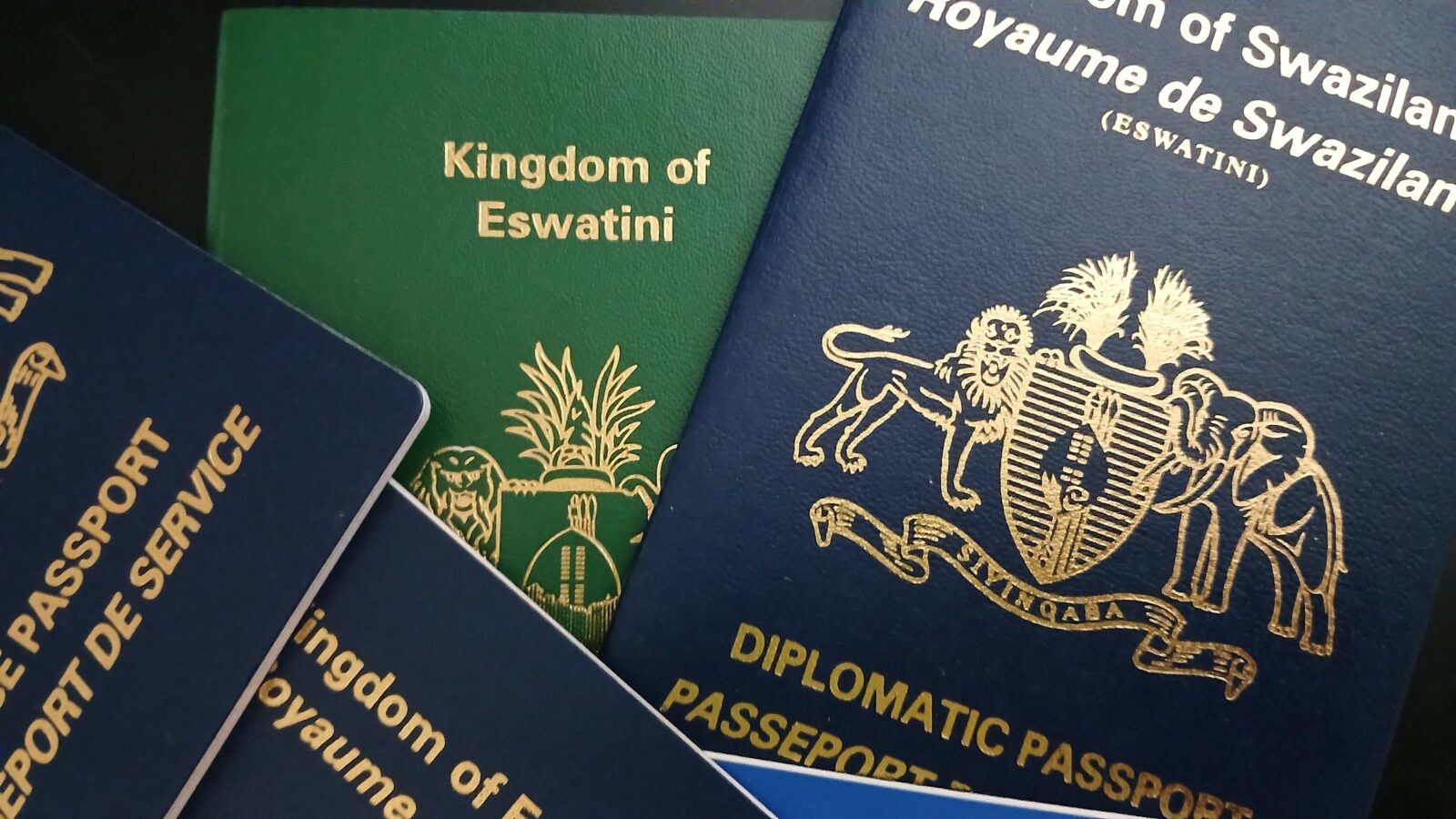
Not only has corruption been the main cause of the health crisis, but many sectors of society are plagued by this vice. This includes the Home Affairs immigration department which has been accused of selling international passports to foreign nationals.
The Teaching Service Commission has also been affected by job and promotion scandals. Recruitment corruption in the security institutions including the army, police and Correctional Services is well documented, to mention a few examples.
Government made the following policy statement post-elections 2023 – “corruption has become endemic in the country and an incipient culture among the elite and middle class. This pervasive cancer must be eradicated from the country. Corruption will be fought by ensuring that the public sector acts in the interest of the people and by promoting transparency and accountability. Corrupt individuals and activities will be exposed to dissuade the culture.
“The capacity of all government institutions that have a role in fighting and eradicating corruption such as the Anti-Corruption Commission, Human Rights Commission, Public Prosecution and the Royal Eswatini Police Service will be significantly strengthened.” It is regrettable that ‘nkwe’ is in every Cabinet and senior official’s statements yet corruption has reached unprecedented levels. In fact, it is sadly business as usual.
Who are the worst affected?
Ordinary emaSwati, especially the poor, marginalised and the unemployed youth are paying a serious prize with the rampant and out-of-control corruption.
Although it is not easy to qualify figures, it is clear that emaSwati are now losing their lives because of the health crisis. Some people speaking in hush tones for fear of reprisals, are now regarding this as a ‘genocide’.
Fighting corruption in Eswatini is no longer an option. According to the UNCAC Coalition, the fight against corruption is a long-term process, requiring deep structural changes to a country’s institutions; its legal framework and its culture. Therefore, actors outside government – especially in civil society – are an essential component to anti-corruption success.
Civil society organisations (CSOs) is defined by the World Bank as a broad range of non-profit, voluntary groups that operate at the local, national or international level. These include non-governmental organisations (NGOs), community-based organisations, coalitions, foundations, labour unions, professional associations, charitable groups and faith-based organisations.
We recall that, at the launch of the Anticorruption Strategy, civil society was expected to play a key role. Key actions by civil society were expected to include awareness-raising and prevention campaigns to participation in policy formation and monitoring of the implementation of anti-corruption strategies and legislation. Civil society was expected to empower citizens to bring pressure to bear on our governments to address the national crisis as a matter of urgency.
The UN Convention against Corruption (UNCAC) has long recognised the role of civil society in combating corruption by calling on governments to increase transparency, improve public access to information and promote public contributions to government decision-making processes.
Peter Eigen, co-founder of Transparency International said “only an effective coalition of State, business and civil society can bring transparency and accountability to governance.”
It is critical that the NGOs, who work with the poor and marginalised and are fully aware of the current crisis facing emaSwati, congregate under the auspices of CANGO, to develop a clear programme of action that will mobilise all sectors of society, especially communities, to join the fight against the out of control corruption. Unless a national movement emerges to save the country from self-destruction, the country will end up as a failed state.
As majority of emaSwati are in churches, it is critical that churches in Eswatini including the umbrella bodies such as the League of Churches, The Eswatini Council of Churches, the Council of Swaziland Churches use their convening power to mobilise their members to join the movement against corruption in the country. The faith-based community should also lead the moral generation efforts in Eswatini. Ethical behaviour should be taught to all members of the Church, including Sunday school.
The trade union movement in partnership with Business Eswatini and other federations should also mobilise members to fight against corruption from the business sector.
Our country needs all of us!



















Leave a comment