


EZULWINI – The European Union (EU) has reaffirmed that Eswatini’s products will continue to enjoy duty-free and quota-free access to the EU market, despite rising global protectionism.
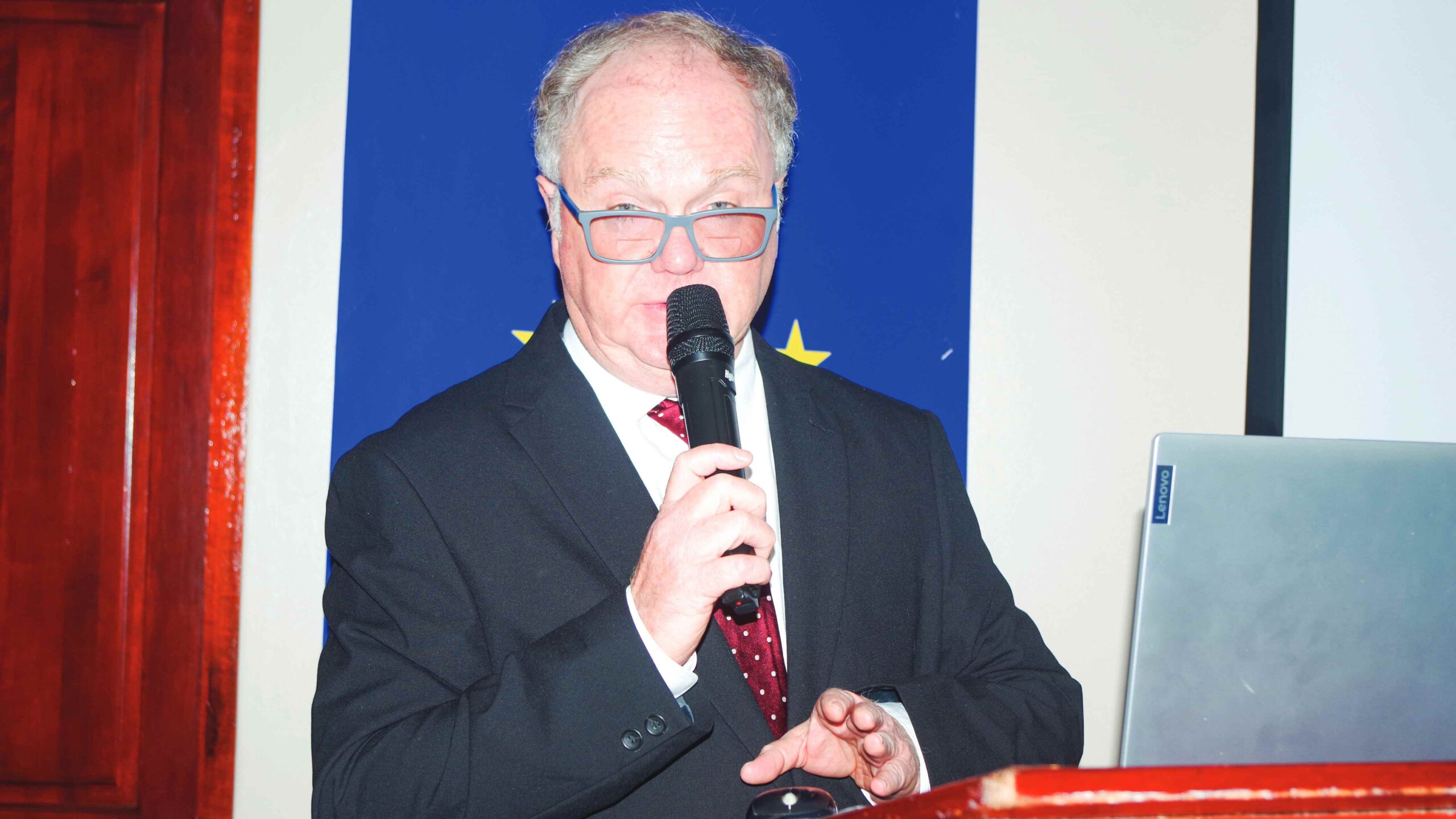
Speaking at the EU-SADC Economic Partnership Agreement (EPA) Implementation Strategy and Action Plan 2025–2029 stakeholder validation workshop held on Tuesday at the Royal Villas Hotel, EU Ambassador to Eswatini Karsten Mecklenburg offered a strong vote of confidence in Eswatini’s continued trade relationship with Europe.
“The EU-SADC EPA is built on trust, mutual respect, and a shared belief in the power of trade to drive prosperity. Eswatini’s goods will continue to enjoy zero tariffs into the EU under the EPA framework,” Mecklenburg stated.
His remarks come at a time when the global trade landscape is under pressure. The United States recently imposed fresh tariffs on numerous countries, including a 30 per cent duty on certain South African goods. Although Eswatini still qualifies for duty-free access to the US under AGOA, some of its goods face a 10 per cent tariff – a stark contrast to the zero tariffs in the EU under the EPA.
Mecklenburg stressed the EU’s long-term commitment to inclusive growth, sustainable development and regional integration through the EPA. “This partnership is a cornerstone of our shared vision for resilient economies. Alone, we can do so little; together, we can do so much,” he said.
The workshop also saw the validation of a new EPA Implementation Strategy for Eswatini, a blueprint that aims to turn the agreement from a static legal framework into a catalyst for industrial growth, small enterprise empowerment and youth job creation.
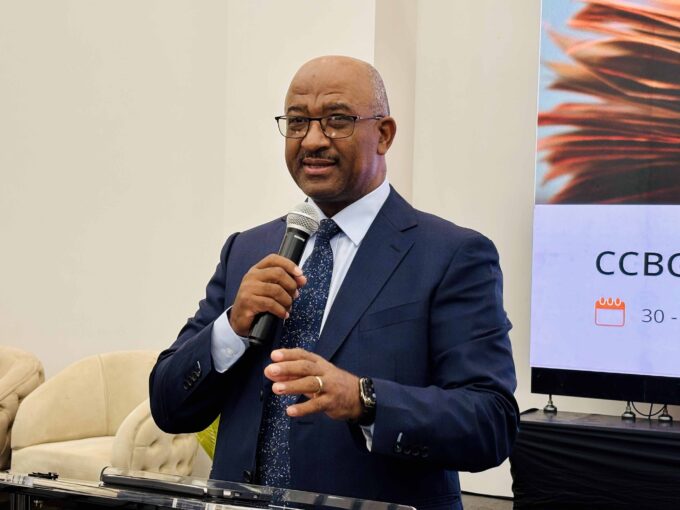
The strategy was developed following broad stakeholder consultations across government, business and civil society, and was presented by international trade consultant Rolf Offo, engaged by the International Trade Centre (ITC).
Offo’s presentation unpacked key trade insights, challenges and actionable interventions Eswatini must consider in order to fully leverage the EPA. The strategy, he noted, is anchored on improving export diversification, reducing overdependence on sugar, and enhancing the readiness of local producers to meet stringent EU market standards.
“The new plan builds on the lessons from the 2019–2023 strategy and prioritises institutional development, export readiness, digital trade facilitation and policy reforms,” Offo explained.
According to the revised strategy document, Eswatini remains heavily reliant on a few markets and products. South Africa remains its largest trade partner, accounting for over 67 per cent of exports in 2023, compared to just 6.4 per cent going to the EU. However, Eswatini’s exports to the EU grew by almost 60 per cent between 2016 and 2023, while imports from the EU more than doubled during the same period.
The EU market remains vital, particularly for agricultural and agro-processed goods. In 2023, cane sugar alone accounted for nearly 68 per cent of exports to the EU. Other growing exports include beverage preparations, chemical products, preserved fruits and some textile items.
Yet, this lack of diversification presents a risk.
Full article available in our paper.




















Leave a comment