

When public institutions are given the mandate to improve the lives of the citizens, we expect those in charge to work with passion, integrity and a real sense of duty.
Sadly, in Eswatini, there is mounting evidence that some of our key bodies are missing the mark completely.
Let us explore how five major entities — Eswatini Communications Commission (ESCCOM), Construction Industry Council (CIC), Eswatini Dairy Board, Ministry of Agriculture and the sector managing minerals are not carrying out their responsibilities in a way that truly benefits the nation.
I will also show how other countries get better results by putting their people first.
Eswatini Communications Commission (ESCCOM)
The ESCCOM was set up to lead the way in telecommunications, making sure every liSwati could connect, communicate and gain access to technology no matter where they live. Instead of changing lives, the Commission has focused its energy and money on building a vast, expensive head office , a building far bigger than what is really needed. The telecommunication sector in Eswatini is not that large; in fact, it is basically controlled by just two companies. When an organisation puts bricks and mortar first, rather than innovation, questions must be asked.
What is most troubling is that the new building is so big that now, ESCCOM is planning to lease out extra offices, turning itself partially into a landlord. Instead of bringing down the cost of data, boosting innovation, or rolling out free Wi-Fi in rural areas, the leadership has made physical infrastructure its biggest achievement. At a time when tech is moving rapidly and children in some regions cannot do online homework for a lack of connection, this is unacceptable.
In other countries, State-owned telecommunications regulators are at the forefront of change. The Communications Authority of Kenya, for example, has built community internet centres and ensures subsidised internet access in distant villages. South Africa’s ICASA works to make data and voice calls affordable, and even instals public Wi-Fi in townships.
In Rwanda, the regulator has made it a rule that schools in rural places must have free internet access, opening up many opportunities for children and small businesses.
These actions truly transform lives, make people smarter and give everyone a chance. Sadly, ESCCOM is missing this opportunity. Instead, they have given us a huge empty building.
Construction Industry Council (CIC)
The CIC is failing to champion local skills. The Construction Industry Council should be the leading champion for local companies and skilled emaSwati in the construction space. The CIC Act was specifically created to favour home-grown skills before foreign ones.
But in reality, we continue to see foreign companies winning big government contracts to build roads, public and private offices and even water tanks. It is shocking that these projects could have been built perfectly by locals with the right skills and experience.
Procurement rules state that tenders should go to emaSwati unless there is a clear and proven need for specialist knowledge or skills that are not locally available. Our economic growth will never be strong if locals are always bystanders in their own country’s progress. Skills, jobs and money end up in the hands of foreigners, while local construction companies continue struggling. The result is that emaSwati do not have the chance to create businesses that could one day compete beyond our borders.
In South Africa, empowerment policies such as Broad-Based Black Economic Empowerment (B-BBEE) mean local companies must be prioritised, and only if a project needs rare technical skills does it go outside. In Botswana, government tenders for road construction and major civil works go to citizen-owned contractors first and only in extreme conditions are outsiders chosen.
Kenya’s procurement laws likewise state that at least 40 per cent of government contracts must be awarded to local companies and youth-owned businesses.
These strategies help local companies grow, gain experience and eventually compete in other African markets. Our CIC, however, is letting these opportunities pass by, keeping the door open to unnecessary foreign participation.
Eswatini Dairy Board
It is disappointing that the Eswatini Dairy Board is still importing milk.
One of the strangest realities in Eswatini is that we still import a great deal of milk from South Africa and other neighbours, even though we have a regulatory body, the Eswatini Dairy Board, whose entire job is to help us become milk self-sufficient. Why is this the case?
The Board should support local farmers, promote modern farming techniques and make sure every farmer can bring safe, high-quality milk to market. Instead, there has been no meaningful support, no strategic push to increase local production and very little outreach to help small-scale producers expand or upgrade their farms.
Compare this to countries like New Zealand, Ireland or Denmark, where government Boards provide direct funding, distribute farming equipment and offer educational programmes for dairy farmers. In those nations, the regulatory bodies not only set quality standards, but also actively help farmers with loans and financial safety nets and they encourage cooperatives so smaller producers can band together and grow.
For example, in Ireland, the regulatory agency has created ‘Milk Growth Schemes’ where small farmers are given cows and guaranteed buyers for their milk.
As a result, these countries do not import milk as they have enough and even export it.
If the Eswatini Dairy Board took lessons from such models, we could soon find ourselves not just self-sufficient but maybe even selling to neighbouring countries.
Ministry of Agriculture
It is not just milk. Even more worrying is that Eswatini must import maize, our own staple food. The Ministry of Agriculture should ensure no one in the country ever sleeps hungry because of a shortage of the one crop we need most. But maize fields are fewer every year and the country seems no closer to even one million or two million cattle.
This is a sign of the absence of proper policy and a lack of real action. Other countries protect their staple foods with a passion. Zambia made it illegal to import maize unless there is a serious local drought and invests large sums in supporting local growers with seed, fertiliser and price guarantees.
Ethiopia and Egypt have dedicated research institutes focusing on better seeds and irrigation for wheat and maize, making sure their people never have to rely on imports.
In Ghana, government supports youth to enter farming by providing free land, seed and a guarantee that the State will buy their harvest. Eswatini must follow this example.
Local farmers could be offered free or cheap seed, access to machinery and government help to sell their maize and cattle at good prices. Importing essential food is a national embarrassment, considering our small population and available land.
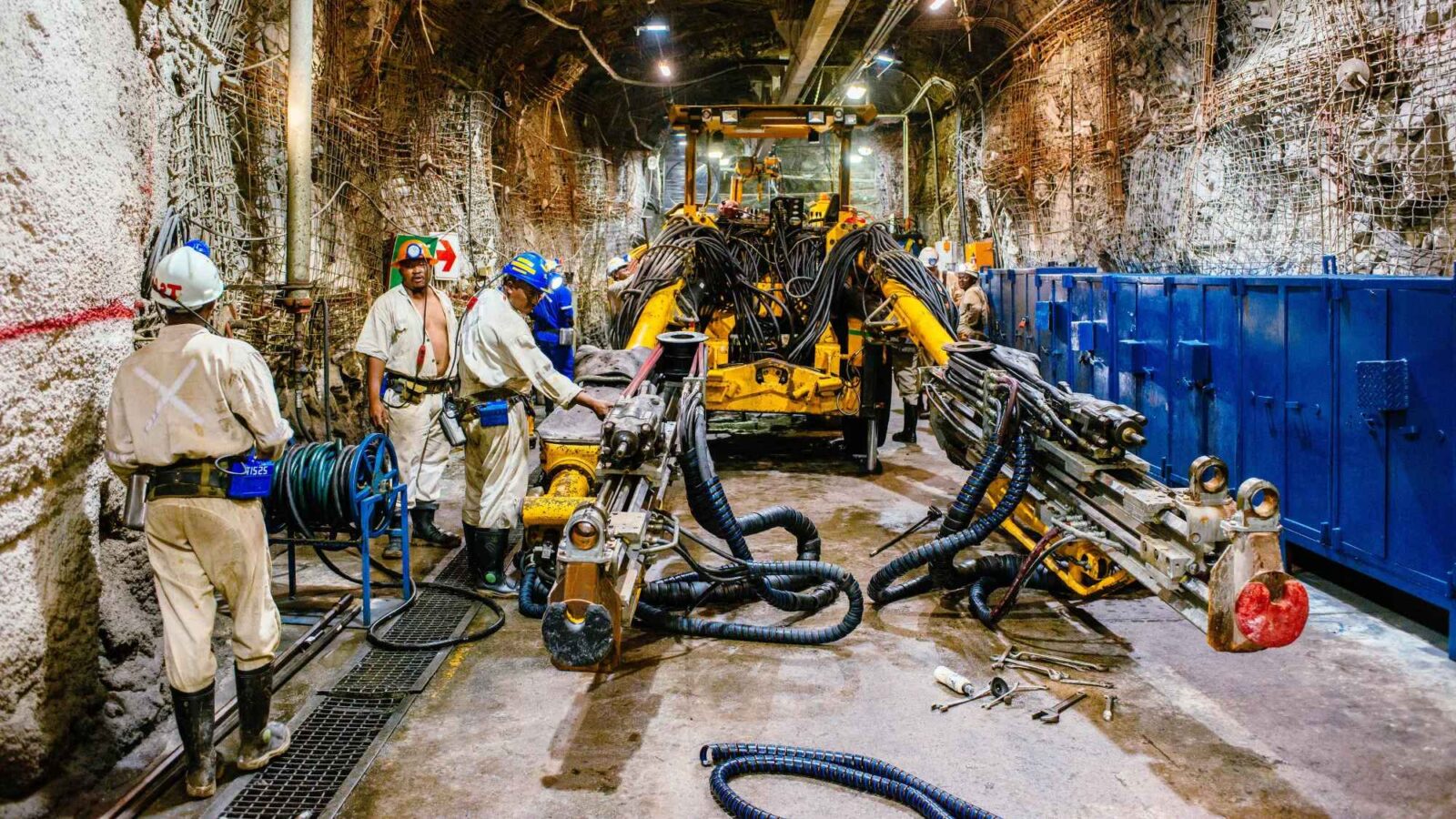
Lastly, the story of Eswatini’s mineral resources is frustrating. We are letting foreigners own and operate our mines, often selling our gold and diamonds abroad for their own profit.
Our people should be first in line to benefit from the nation’s natural wealth. Government should provide incentives and training for locals to own, run, or work in mines. Where there is need for sophisticated equipment, the State can make partnerships — but the rules must be strict so foreigners only come in as helpers, not as owners. In Botswana, government business policies clearly state that most of the diamonds must benefit citizens and locals get a share in any profits made from exports. In Ghana, locals are required to have shares in any mining company operating in the country.
South Africa ensures communities affected by mining get a percentage of earnings, and Nigeria is now making it a law that local content must be a big part of mining operations.
Eswatini should go even further: Mining must be part of the school curriculum and the State must fund education for future mining engineers and geologists, so our people can take up key positions in this sector.
In summary, these entities are failing not because they lack laws or structures, but because they lack vision and the will to truly serve the people.
If only they would put the nation first, learn from our peers on the continent and around the world and do what is required, Eswatini could quickly become a land of plenty, fairness and true opportunity for all.
Our institutions must shift focus from self-enrichment and short-term achievements to real progress.
The future is in our hands, but only if we demand and do better.



















Leave a comment