Home Business Inflation dips for sixth month to 2.8%
Business

Inflation dips for sixth month to 2.8%

Share
Eswatini’s inflation rate has dipped for the sixth consecutive month, reaching 2.8 per cent in July 2025, according to the latest Consumer Price Index (CPI) report released by the Central Statistical Office (CSO). (Pic: Sourced)
Share

MBABANE – Eswatini’s inflation rate has dipped for the sixth consecutive month, reaching 2.8 per cent in July 2025, according to the latest Consumer Price Index (CPI) report released by the Central Statistical Office (CSO).

This marks a 0.1 percentage point decline from June’s 2.9 per cent and is significantly lower than the 4.2 per cent recorded in July 2024.

The decline underscores an easing of price pressures across much of the economy, providing a measure of relief to both consumers and businesses after a period of volatile costs driven by regional and global shocks.

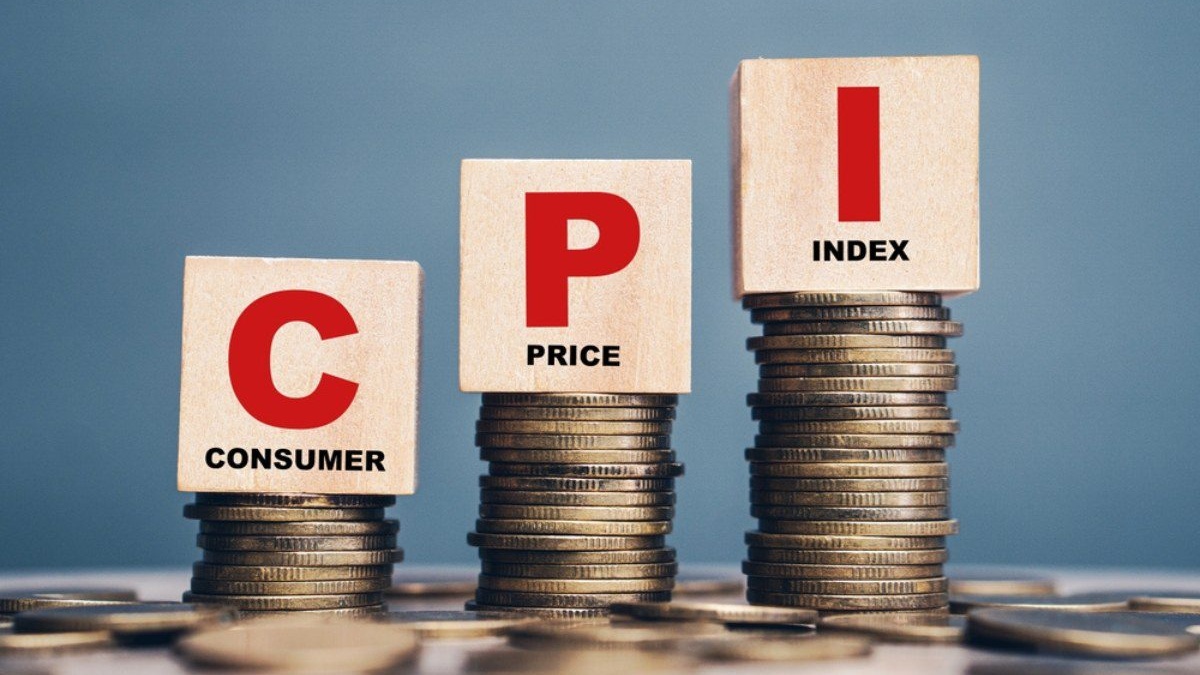
Inflation is the rate at which the general level of prices for goods and services in an economy rises over time. It is measured through the Consumer Price Index (CPI), which tracks the cost of a representative basket of goods and services that households typically consume — from food and housing to clothing, transport and leisure.

According to economists, when inflation is high, the purchasing power of money falls, meaning households can buy fewer goods and services with the same income. For businesses, high inflation can raise input costs, compress margins and create uncertainty when setting prices. Conversely, when inflation slows, consumers can stretch their budgets further, while businesses enjoy greater predictability in planning investments and operations.

Eswatini’s steady decline in inflation to below 3 per cent means that the cost of living is stabilising. While this does not imply prices are falling overall, it does mean they are rising at a slower pace than before. This is particularly important for lower-income households, for whom even small price increases in essentials such as food and electricity can be burdensome.

The July data reveals that inflation dynamics remain mixed across different categories. Goods inflation stood at 3.1 per cent, while services inflation was lower at 2.4 per cent. Month-on-month, prices dipped by 0.1 per cent compared to June, mainly due to falling costs in food and recreation categories.

Full article available in our paper.

Share
Written by
Nhlanganiso Mkhonta

Nhlanganiso Mkhonta serves as Business Editor at the Times of Eswatini. He reports on business, economics, finance, investment, entrepreneurship and public policy, producing insightful coverage and analysis of the issues driving Eswatini’s economy and the wider African business environment.

Leave a comment

Leave a Reply

Your email address will not be published. Required fields are marked *

Don't Miss

Swazipharm blames ministry delays, commits to compliance

LOBAMBA – After being implicated in the delivery of medical drugs that were later recalled, prominent pharmaceutical supplier Swazipharm has reaffirmed its commitment...

Family sues EEC over E6m for Mpolonjeni child electrocution

MBABANE - The Eswatini Electricity Company (EEC) is facing lawsuit of more than E6 million following an electrocution incident that allegedly claimed the...

Shembe forgives Zulu King after video fallout

MBABANE – Members of the Nazareth Baptist Church in Eswatini have rallied behind His Holiness Unyazi Lwezulu Shembe after he publicly forgave Zulu...

Labour minister calls for healthy wages

MBABANE – The Minister for Labour and Social Security, Phila Buthelezi, has called upon Wages Councils to negotiate for fair wages. The minister...

MPs pocket repeated pay increases

MBABANE – Members of Eswatini’s 12th Parliament have benefitted from repeated salary increases since assuming office in 2023, an investigation by the Times...

Related Articles

EIPA defers 2nd Investment conference

MBABANE – Government has postponed the highly anticipated second edition of the...

Tribunal clarifies insurance tax rules in landmark ruling

MBABANE – The Revenue Appeals Tribunal Eswatini (RATE) has delivered yet another...

Business confidence improves as credit to enterprises up to E13.2bn

MBABANE – In a clear sign that local corporate entities are aggressively...

Embrace value addition – Standard Bank chief economist

CAPE TOWN, SOUTH AFRICA – African countries must urgently shift from exporting...