

MBABANE – Tindvuna tetinkhundla in the Manzini Region have presented five key submissions aimed at improving the national budget, which they will also highlight during today’s regional consultations.
The Ministry of Finance will today begin its regional consultations to gather public input for the 2026/27 national budget.
Minister for Finance Neal Rijkenberg previously stated that the consultations formed part of the ministry’s commitment to take the budget process to the people, as announced during the National Sibaya. Today’s consultations are scheduled to start in the Manzini Region.
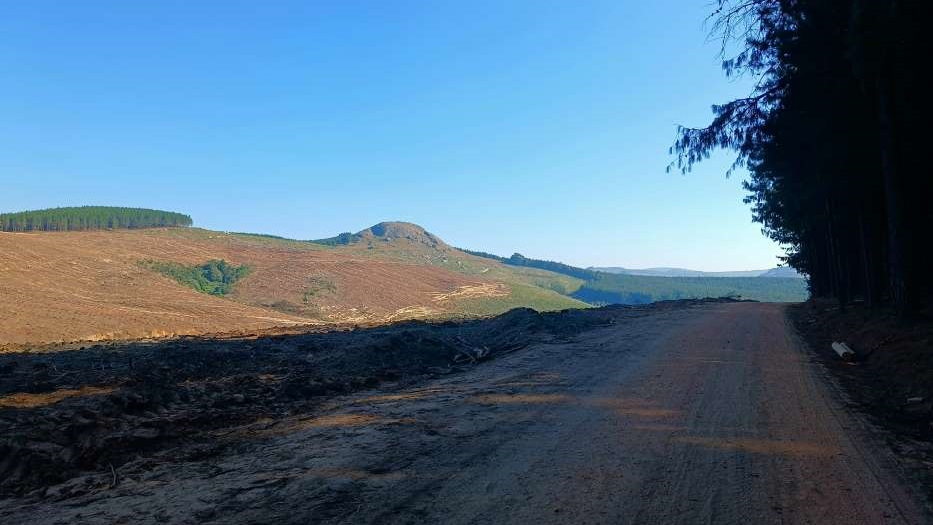
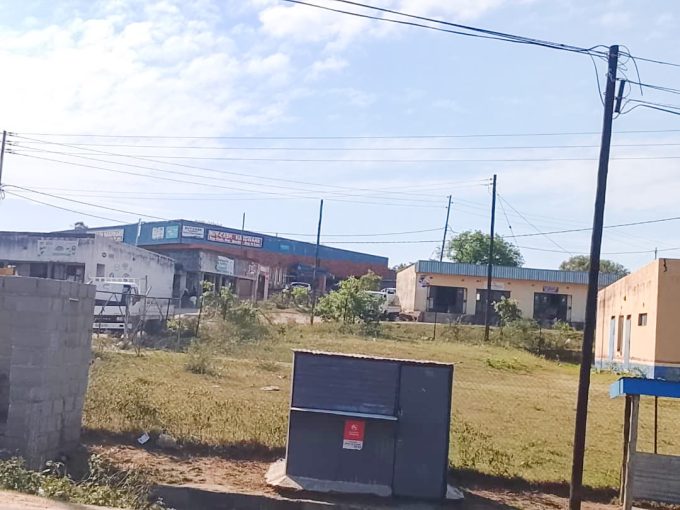
Manzini North Indvuna Yenkhundla Siboniso Mandlazi said some of the main submissions from his constituency concerned road infrastructure, particularly untarred roads that were delaying development.
“A common submission during community gatherings was the issue of high school fees, which have become too expensive for the average liSwati,” said Mandlazi.
He noted that for most residents in Manzini North, it had become nearly impossible to educate their children with their current earnings.
“The little they get already has its own responsibilities and schools are demanding high deposits before admitting pupils, which parents cannot afford. Therefore, Manzini North residents will appeal for the national budget to find a lasting solution that eases the burden on parents,” he said.
He added that the issue was not only about what should be included in the budget, but also how the budget was implemented.
Ekukhanyeni Indvuna Yenkhundla Clement Dlamini said their biggest concern was road mapping and infrastructure, as travel difficulties continued to hinder development and production in the constituency.
He also emphasised the need to address food security, calling for an increased budget allocation to the Ministry of Agriculture. He said this was crucial, especially for impoverished households at Ekukhanyeni.
“There is a huge urgency when it comes to food security among the most vulnerable in the area. The focus should be on ensuring that each household has at least basic commodities. This should be reflected in the national budget,” he said.
Dlamini added that the government’s input subsidy should better target vulnerable emaSwati, with government covering more than 50 per cent of the costs.
Ludzeludze Indvuna Yenkhundla Eugene Maziya echoed the call for prioritising food security. He said that while input subsidies now targeted the most vulnerable, government should contribute more as many farmers could not afford to meet the 50 per cent contribution.
“There is no money, especially among emaSwati in the outskirts and rural areas. A 40 per cent farmer contribution and 60 per cent government contribution would be better,” said Maziya.
He also raised concerns over the poor road network, saying gravel maintenance was proving costlier in the long run than investing in tarring.
“Government is assisting with gravelling and providing sand to level the roads, but a lasting solution is needed. The money spent on gravelling is now far more than the cost of tarring roads with probase, which could last up to 10 years,” he said.
Full article available in our publication.











Leave a comment