

MBABANE – The people have spoken.
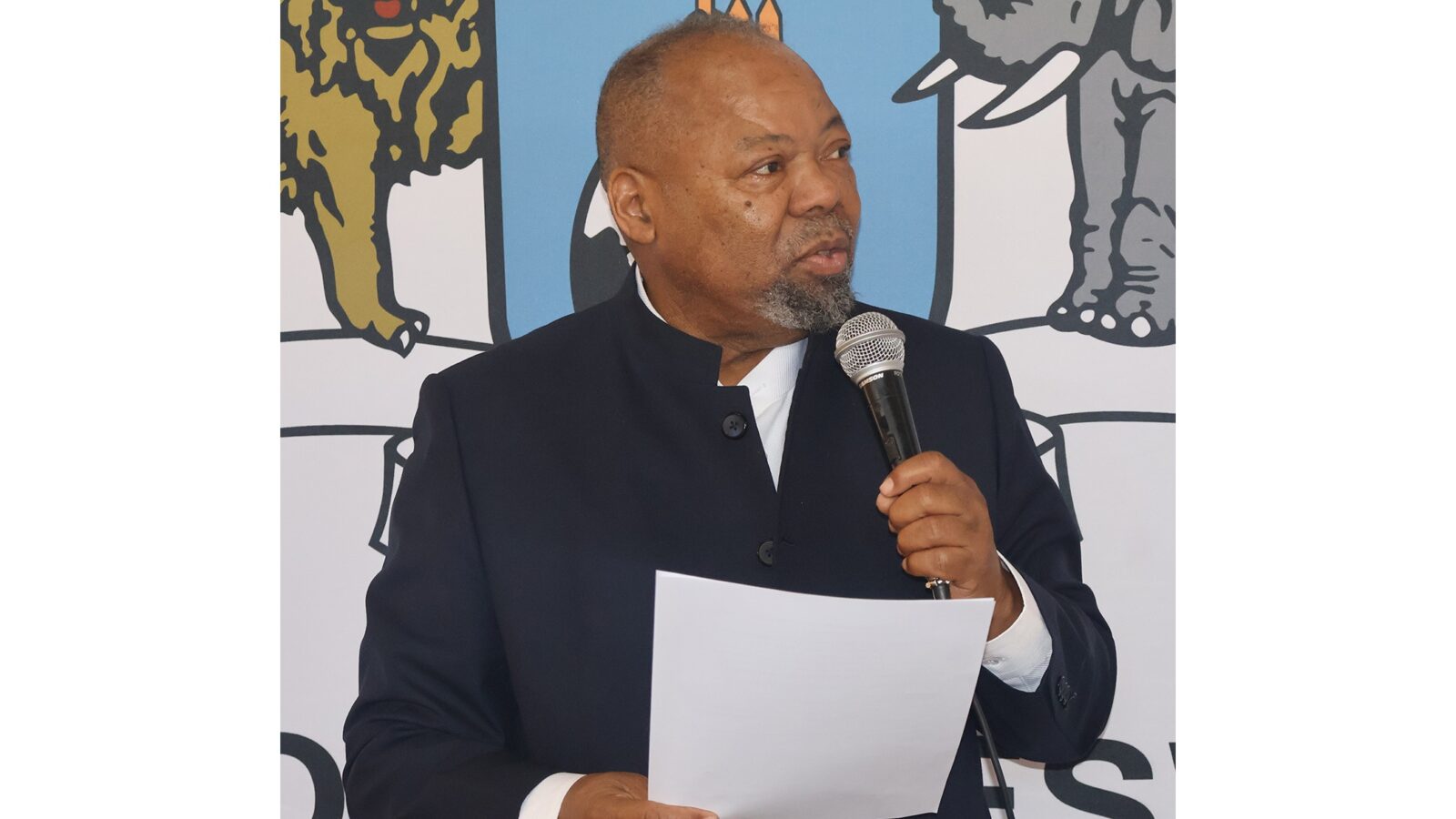
The budget consultations for the Manzini Region opened with numerous and detailed submissions from Members of Parliament (MPs), tindvuna and bucopho, who expressed frustration with the way government allocates funds and prioritises projects. Their concerns centred on fairness, service delivery, corruption and the inclusiveness of the consultation process. Ekukhanyeni MP and Minister for Housing and Urban Development, Appolo Maphalala, argued that the budget should be relevant to the needs of the people.
He asked whether the ministries of Finance, Economic Planning as well as that of Urban Development had an assessment instrument that analysed investments and the lives of people on the ground. He pointed out that while government heavily invested in main roads, district roads were consistently overlooked. “I propose that for every MR road, there should be a budget for the DR road as it was not possible for main roads to be sidelined and government to prioritise the feeder roads,” said the Ekukhanyeni MP. Chief Economist Sifiso Mamba, responding to Maphalala, admitted that the major hurdle in addressing roads infrastructure was funding. This, he explained, was the reason that main roads were prioritised. He added that district road tarring was constrained by the lack of funds.
Maphalala further submitted that there was a disconnect in the operations of government. He noted that officials who controlled the wage bill at times overlooked that other ministries with severe staff shortages decried poor service delivery. This, he said, demonstrated a misalignment between ministries and left ordinary emaSwati underserved.
Mafutseni MP Sabelo Mtsetfwa was equally vocal. He decried the national budget sensitisation process, saying consultations should be held at inkhundla level, where the affected people could make direct submissions. He suggested that a team of four be sent to each inkhundla to hear the views of the people instead of engaging only with tinkhundla councils. He reminded the gathering that this was what citizens had requested at the National Sibaya. Mtsetfwa further submitted that legislation should be introduced to ensure that mining proceeds and profits from sugar exports contribute to the national budget. He also pressed Cabinet to explain what measures were in place to make the budget self-sufficient.
Kwaluseni Indvuna Yenkhundla, Mthunzi Dlamini, raised the issue of uneven Rural Development Fund (RDF) and Microprojects allocations. He said he was shocked to learn that constituencies such as Nkomiyahlaba had used close to E42 million despite being newly formed, while his constituency had only utilised E8 million.
*…
Minister calls for timelines, transparency
MBABANE – Minister for Economic Planning and Development, Dr Thambo Gina said the budget was designed to address poverty and community needs, but projects and goals had to be measured and given timelines.
He explained that the reason sensitisation was repeated was to ensure the tinkhundla councils understood the process well enough to explain it to citizens. On the timing of inputs, he clarified that contributions would be sought later, once people had a full grasp of how the budget was formulated.
Principal Secretary in the Ministry of Economic Planning and Development, Thabisile Mlangeni, reassured participants that contributions to the national budget were welcome and could be submitted through ministries. Director of Budget and Economic Affairs, Kate Mamba, added that continuous engagement with bucopho and tindvuna was essential to ensure they were prepared to guide their constituencies. “The inkhundla council will be champions for when the time comes, drawing input from the people in the constituencies. The people need to be continuously capacitated on the national budget so that their input is appropriate and relevant,” said Mamba.
Microprojects Director, Sibusiso Mbingo, explained that one of the biggest obstacles to RDF implementation was the requirement for a 10 per cent contribution in cash or in kind. Some requests, though processed, could not be implemented because this condition had not been met. He emphasised the importance of alignment within tinkhundla councils, saying bucopho, tindvuna and MPs had to work together. He also noted that crisis or natural disasters could change priorities and result in unequal allocations. “If the Inkhundla is inactive or does not have any pending projects, government would not give the money so that it simply stays unused,” he said.
*Full article available in our publication.












Leave a comment