

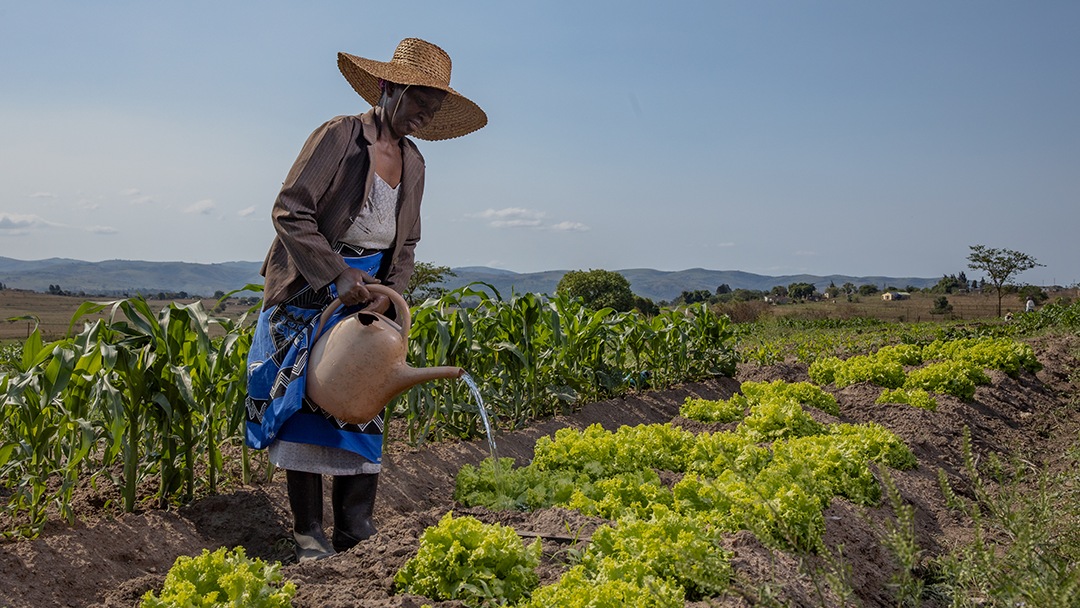
Eswatini’s recent acquisition of observer status at the UN Climate Change Forum was a turning point in the country’s global engagement. This development places the kingdom in a position to participate in discussions that influence climate action and international policy, while also opening avenues for collaboration with nations and institutions already advancing climate resilience. For a small, landlocked nation with growing vulnerabilities to erratic weather patterns, this recognition carries weight beyond the halls of diplomacy. It allows Eswatini to engage in global dialogue, where the decisions shaping climate funding, technology transfer and policy frameworks are debated.
Observer status does not provide voting rights, though it allows States to attend meetings, contribute perspectives and build partnerships. For the kingdom, this means that its concerns about droughts, flash floods, declining agricultural yields and food insecurity can be heard directly in arenas where strategies to combat such challenges are formed. The country’s presence enables it to build coalitions with others who face similar struggles; pushing climate justice discussions to acknowledge the realities of smaller economies.
One of the immediate advantages of this recognition is the opportunity to influence financing mechanisms. Global climate funds have often been shaped by larger economies whose priorities do not always align with the needs of vulnerable States. By observing and engaging with the processes that determine how resources are allocated, Eswatini is better positioned to promote equitable distribution. This is particularly relevant in relation to the Green Climate Fund and adaptation financing, both of which play a decisive role in supporting projects that build resilience in agriculture, infrastructure and energy.
The status also strengthens Eswatini’s ability to attract investment in renewable energy and sustainable agriculture. For ordinary emaSwati this can translate into employment opportunities in green sectors, improved energy access and enhanced food security.
There are lessons to be drawn from countries that have previously held observer status. Switzerland, for instance, initially engaged with UN climate processes as an observer before it became an active participant in negotiations. During that period, it used its presence to shape early discussions around market-based mechanisms and emissions trading. This strategic engagement helped it design domestic policies that balanced economic growth with environmental protection, leading to a competitive clean energy sector and new jobs. For Eswatini, similar participation can inform policies that strengthen resilience in key industries such as sugar production and livestock farming, while creating pathways for innovation in renewable technologies.
Another example comes from Singapore. Its observer role in earlier UN climate discussions enabled it to study how global debates on emissions reduction and adaptation unfolded. It then crafted domestic frameworks that integrated international knowledge with local realities.
The outcome was a comprehensive climate action plan that improved water management, energy efficiency and urban sustainability. This translated into tangible benefits for citizens, such as reduced utility costs and a healthier urban environment. Eswatini can look to such experiences when developing national policies that connect international climate goals with domestic needs.
The position also gives Eswatini the opportunity to strengthen its diplomatic profile. Climate negotiations are no longer confined to environmental ministries; they shape trade, finance and security policies. Being present allows the kingdom to form networks that extend beyond climate itself, positioning it to negotiate better terms in other international forums. Such visibility can attract partnerships in technology transfer, capacity building and education, which can contribute to long-term economic stability.
However, observer status also carries responsibilities. Eswatini must be consistent in its engagement and present coherent positions that align with both national development plans and regional strategies, under the African Union and Southern African Development Community. Without this coherence the opportunities available may not translate into practical benefits for citizens. It will be necessary to support institutional capacity to follow up on agreements, monitor project implementation and report effectively on progress.
For ordinary emaSwati the advantages of this status can materialise if government channels international support into areas that affect daily life. Investment in climate-resilient agriculture can safeguard food supply during erratic seasons. Expansion of renewable energy can ease reliance on imported electricity, lowering household costs and supporting small enterprises. Infrastructure upgrades guided by climate finance can reduce the risk of flood damage, protecting homes, schools and clinics. These outcomes depend on careful planning and transparent use of resources secured through international platforms.
Eswatini also stands to benefit from knowledge exchange. Observer participation allows access to research, technology demonstrations and pilot projects that can be adapted locally. For example, early warning systems for extreme weather used successfully in parts of Asia could be introduced to improve disaster preparedness in rural communities.
By engaging actively, Eswatini can also influence narratives around climate responsibility. Small States often contribute the least to global emissions yet bear the harshest consequences of climate change. Observer status provides a platform to remind larger economies of this imbalance.
Comments may be sent to 7982 2710 or bongwebagcinile@gmail.com



















Leave a comment