

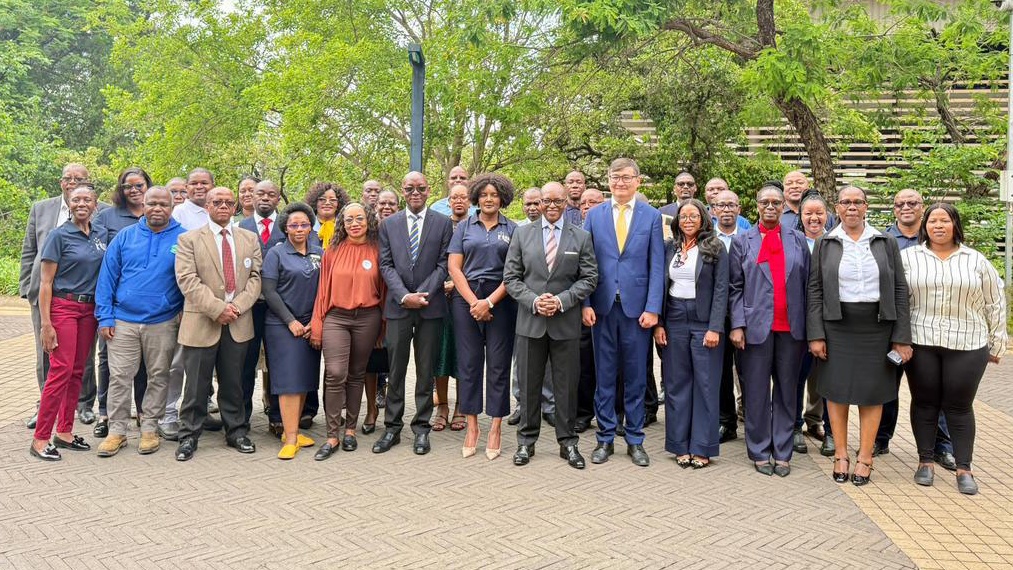
MBABANE – The Eswatini National Trade Facilitation Committee (NTFC) has taken a significant step towards transforming the country’s cross-border trade environment.
This was through the launch of a landmark in-country workshop aimed at developing a comprehensive Inter-Agency Cooperation Framework.
Held this week at the Eswatini Revenue Service (ERS) conference room, the workshop marks a critical phase in implementing Coordinated Border Management (CBM), a globally recognised best practice designed to streamline border operations, cut trade costs and better national competitiveness.
The event brought together key government and private sector representatives under the umbrella of the NTFC, which is co-chaired by the Ministry of Commerce, Industry and Trade, the commissioner general of the Eswatini Revenue Service and the CEO of Business Eswatini.
Their joint presence underscored the strong partnership between public and private institutions in shaping Eswatini’s trade facilitation agenda.
In their co-chairing remarks, the three leaders reaffirmed their shared vision of driving efficiency, transparency and innovation at the nation’s borders.
The two-week workshop represents the culmination of a multi-week programme supported by the World Customs Organisation (WCO) and funded by His Majesty’s Revenue and Customs (HMRC) in the United Kingdom under the Accelerate Trade Facilitation Programme.
The Inter-Agency Cooperation Framework directly operationalises a key goal of the NTFC Roadmap (2023–2026) and addresses a central recommendation from the Maersk Consultancy Report, which called for formal structures to promote seamless inter-agency coordination.
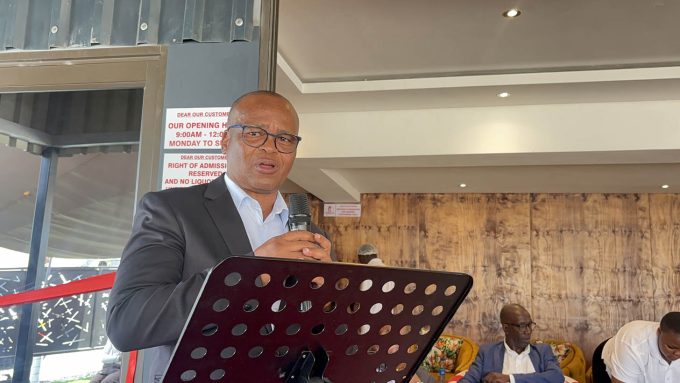
In his opening address, Business Eswatini (BE) Chief Executive Officer (CEO) Nathi Dlamini highlighted the tangible benefits expected for the private sector once the framework is in place.
“For our traders, exporters, and importers, delays at the border are a direct tax on competitiveness,” he stated. “This initiative is about embedding the voice of business into the very DNA of our border management.
The output of this workshop will be a standardised regulatory framework with clear business processes and standard operating procedures, creating the predictable and efficient trading environment that drives investment and growth.”
He added that Eswatini has already made commendable progress in improving border efficiency, citing ongoing implementation of the Bilateral Time Release Study recommendations with South Africa.
“The results show that we are not just talking about reform – we are doing it. As we often say, Borders divide, but Customs connects,” he said.
Gugu Mahlinza, Commissioner of Customs and Excise at ERS, echoed the sentiment, describing border efficiency as ‘a matter of national interest.’ She insisted that the Framework will ensure that government policies and practices across regulatory agencies are complementary and aligned.
Full article available in our publication.


















Leave a comment