


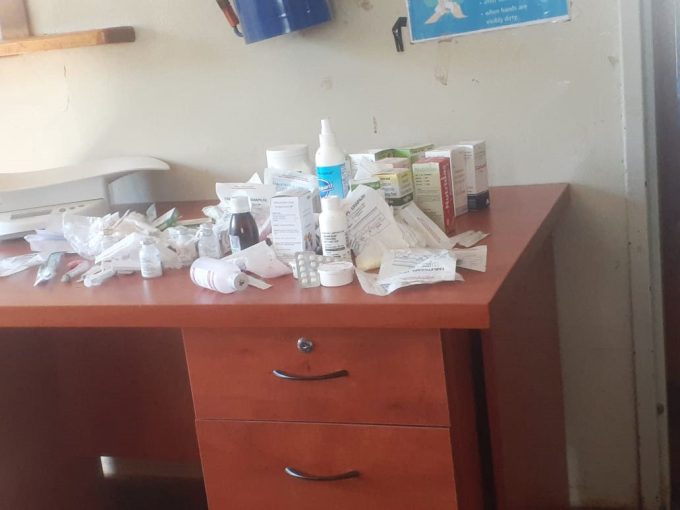
As humans age, their bodies inevitably weaken, natural structures deteriorate, immunities falter and core efficiencies decline. What was once a robust, self-sustaining system increasingly relies on medical prescriptions to maintain function and ward off ailments. The extent of this dependency varies by individual health, but the pattern is universal; moving from a gradual shift of natural resilience to external interventions.
In much the same way, a nation’s moral fibre, its societal ‘immune system’ woven from traditions, cultural values and ethical norms, can reach a stage of vulnerability, requiring deliberate ‘prescriptions’ to counteract decay. For a society long anchored in these foundational elements, recent developments paint a stark picture of erosion. The past week alone has highlighted soaring divorce rates, harrowing cases of child sexual abuse and contentious paternity disputes, fuelling public outrage and igniting heated parliamentary debates.
Lawmakers, wrestling with what many perceive as a national crisis, are now proposing remedies such as mandatory vetting processes before marriages, stricter regulations on spiritual practices within the Christian community and renewed enforcement of laws safeguarding the vulnerable from abuse and sexual violence because, alarmingly, segments of society appear to have developed an ‘immunity’ for such protective measures, rendering them ineffective.
This raises the question: Is the moral fabric of our nation simply an ageing phenomenon, succumbing to the unstoppable passage of time? Or does it suffer from an inherently weak immune system, ill-equipped to fend off the invasive forces of modernisation, economic pressures, social upheavals, unconventional spiritual beliefs and the shifting dynamics of love and relationships?
While humans turn to doctors for diagnosis and treatment, where does a nation seek its healing? It can only come from the collective will of its people, accompanied by thoughtful legislation and a recommitment to the core values that make up our society. Seemingly, there does not seem to be a collective effort in this regard and therein lies the danger that could unravel the very threads that hold us together, leading to strife and instability.
The statistics on divorce are stark and undeniable. According to the Ministry of Home Affairs’ Second Quarter Performance Report for July to September 2025, 196 divorces were registered – a 26 per cent drop from the previous quarter’s 247, but still alarmingly high. This number follows a 70 per cent surge in registered divorces in 2023 alone, as reported by this newspaper last year. Most affected are couples in their 30s and 40s, with women aged 35-39 and men 40-44 being the most common demographics for marital breakdowns.
Members of Parliament (MPs) have voiced deep concern, calling for a marriage policy that mandates vetting couples for financial stability, age of consentand family approval before tying the knot. Hhohho Region MP Tanele Magagula, a pastor herself, argued during the debate that such a policy could flag potential pitfalls like financial instability, which often fuels conflict and separation. “Marriage has become easy these days, and most of the time, the families of the couple are not informed,” she said, lamenting the high rate of divorces in civil rites marriages. She even suggested reverting to traditional marriage practices, which reportedly yield fewer dissolutions.
Lomahasha MP Zanele Mashaba supported a motion for mandatory DNA testing for newborns, tabled by Mahlangatsha MP Mgucisi Dlamini. This stems from questionable paternity cases contributing to marital strife. The motion urges amendments to the National Civil Registration and Vital Statistics Act of 2023 to incorporate DNA tests where paternity is disputed, aiming to prevent fraud and ensure accountability. Minister for Home Affairs, Princess Lindiwe, acknowledged the global trend of rising divorces, but highlighted financial constraints in implementing widespread DNA testing, promising consideration when funds allow.
However, prominent traditionalist, Elliot Mkhatshwa, dismissed parliamentary vetting as ineffective, advocating instead for grassroots teachings on marriage and honesty. “People get into marriage because of material things, not out of love,” he said, pointing to unemployment and infidelity as key culprits. Fellow traditionalist, Makhanya Makhanya, blamed the disregard for Swati norms, suggesting that children born out of wedlock perpetuate unstable unions, depriving them of ancestral blessings.
Compounding this moral dilemma is the horrifying surge in child sexual abuse. Between June and October 2025, 40 cases were reported, with victims as young as four. Over 70 per cent of victims are aged 10-17, many assaulted repeatedly by relatives – fathers, grandfathers and stepfathers – in homes or secluded areas. Cases span regions from Pigg’s Peak to Lavumisa, indicating a pervasive domestic crisis. Delayed reporting and lack of witnesses hamper investigations, prompting calls for community vigilance, education on warning signs and robust support for survivors. Judge Titus Mlangeni recently labelled it a ‘scourge’, advising perpetrators to steer clear of minors.
Further eroding trust in our society is the issue of foreign nationals impregnating emaSwati women and abandoning them. Mafutseni MP Sabelo Mtetwa raised this in Parliament, proposing a policy compelling foreigners to pay settlements before leaving the country. Citing Ethiopia’s US$80 000 (about E1.4 million) requirement, he argued that such children become a governmental burden. Minister Princess Lindiwe noted that Eswatini customs already allow for child settlements but saw merit in the suggestion.
The spotlight has also turned to institutions traditionally tasked with upholding morality: The churches. Accusations abound that they are failing in their calling to shape society’s moral compass. Disputes and court cases within religious bodies have prompted the Prime Minister, Russell Mmiso Dlamini, to mull introducing laws regulating churches, as reported. This move, aimed at addressing safety and internal conflicts, has met resistance from Parliament. Mbabane East MP, Welcome Dlamini, warned the PM against such regulation, viewing it as overreach. So where lies the solution?
Our identity as a people is anchored in ummango (community) and respect for elders, marriage and child-rearing. Ignoring this, decay could dismantle this foundation and instigate strife, as fractured families breed resentment and weakened institutions fail to stem the tide. Churches must return to preaching the true gospel. They must shun misleading doctrines and actively build a society of moral character through teachings on integrity, fidelity and protection for the vulnerable. Government also has a serious role to play in coming up with the most suitable prescription by collaborating with (not instructing) traditional leaders and faith communities towards rebuilding a strong moral fibre in Eswatini. Failure to do so risks a kingdom divided against itself.














Leave a comment