

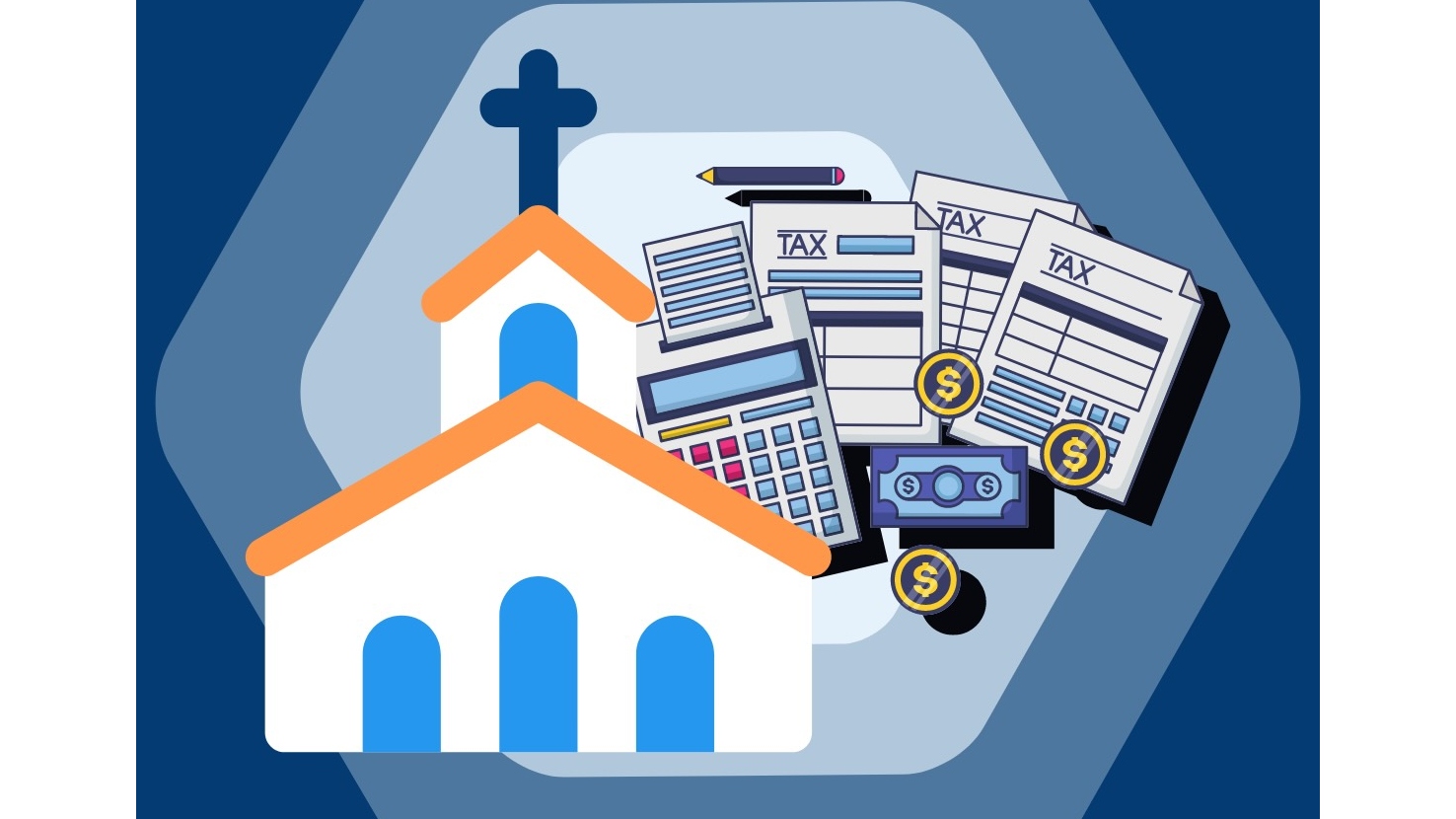
The recent announcement that the Eswatini Revenue Service (ERS) will audit churches over suspected tax evasion has sent a clear signal of what lies in store for our already strained pockets in days to come.
With government revealing a staggering E4.4 billion in uncollected taxes, it goes without saying that the kingdom is facing a severe revenue crisis in the midst of one the highest economic growth rates in the region, of about 3.4 per cent.
For the average worker and business owner, who already feel no benefit from official GDP growth, this fiscal shortfall points to one inevitability: A heavier burden of taxation. Economists are saying the fundamental problem is simple yet telling. As extensively reported in this publication, Eswatini’s economic growth is not translating into widespread prosperity or broader formal business activity.
Business Eswatini (BE) has confirmed the existing disconnect between macroeconomic figures and life on the ground, citing business closures, auctioned properties and rising liquidations.
When the economy fails to grow in a way that expands the tax base through new jobs and profitable companies, government’s ability to meet its obligations, from civil servant salaries to vital public services, is severely constrained.
In this context, the ERS’s new Compliance Improvement Plan turns from being a mere administrative exercise into a necessity for fiscal survival. The Minister for Finance, Neal Rijkenberg, has raised concerns that certain individuals are accumulating personal wealth and operating businesses, while hiding under church organisations. This was a long time coming and not the first time that government has intimated such a move.
What remains to be seen is how the ERS will get to scrutinise all income-generating activities linked to churches, including personal gifts like cars and the imali yesondlo semfundisi, as a means to plug a leak in the system. Similarly, the E4.4 billion tax gap, with about E1.3 billion in uncollected VAT alone, reveals a vast crack in the nation’s finances.
Can the recent salary increase make things any better? Minister Rijkenberg has appealed to civil servants to deliver quality service because their salaries are paid by taxpayers. However, if the economy is not generating sufficient new revenue and with E4.4 billion missing from the treasury, government has limited options.
It can either drastically cut services, which is politically and socially challenging or it must increase the rate of taxation on the existing, compliant base. For the salaried worker, the formal business and the already transparent organisations, this means bracing for higher taxes.
This leads to a critical and troubling question: From where will these taxes be raised if the economy is not growing in a meaningful way and capital continues to flee the kingdom?
The evidence of a stunted local economy is overwhelming. The construction industry reports being excluded from major projects, with an African Union study finding that only 16 per cent of large projects involve domestic contractors. This is a direct channel for capital outflow; when foreign contractors execute projects, the profits and a notable portion of the expenditure leave Eswatini.
The textile sector, which employs 22 000 emaSwati, is being squeezed by lower prices from South African retailers; stifling its ability to generate higher profits and by extension, higher tax contributions.
One local businessman, Mxolisi Mabuza, who owns Waxola Investments, has said he is finding it hard to break even, so they cannot be a source of increased revenue.
Economists have cautioned that the solution cannot rely solely on more aggressive tax collection from a struggling base. They are advising that Eswatini must look to economies that have successfully broadened their revenue base not by increasing rates, but by growing their domestic private sector and ensuring wealth is retained within their borders.
Examples given include enforceable local participation. This stems from the state of the construction industry, which is a prime example of lost opportunity. By mandating, through legislation, that a significant percentage of the value of all major projects must be sourced from local contractors, suppliers and labour, Eswatini can ensure that economic activity circulates domestically more effectively. This would create more profitable local businesses, more formal jobs and a larger, more sustainable tax base without raising a single tax rate.
Another area of focus for the country, experts say, could be strategic supply-chain development. They advise that instead of watching as our manufacturing sector struggles, government could actively fund and support programmes that help local firms become integrated suppliers to the larger industries operating in Eswatini.
This would help strengthen supply-chain resilience, as suggested by BE and transform small and medium-sized enterprises into viable, profitable entities that contribute to the national treasury.
The ERS is right to pursue tax evaders hiding behind clerical collars and to close the E4.4 billion gap. However, this is a short-term treatment for a long-term disease. The only sustainable way to fund the nation’s aspirations without overburdening its citizens is to fix the fundamental flaws in the quality of economic growth. Without a strategic shift to keep capital within Eswatini and empower local business, government’s revenue squeeze will inevitably be felt in the pockets of those who can least afford it.

















Leave a comment