

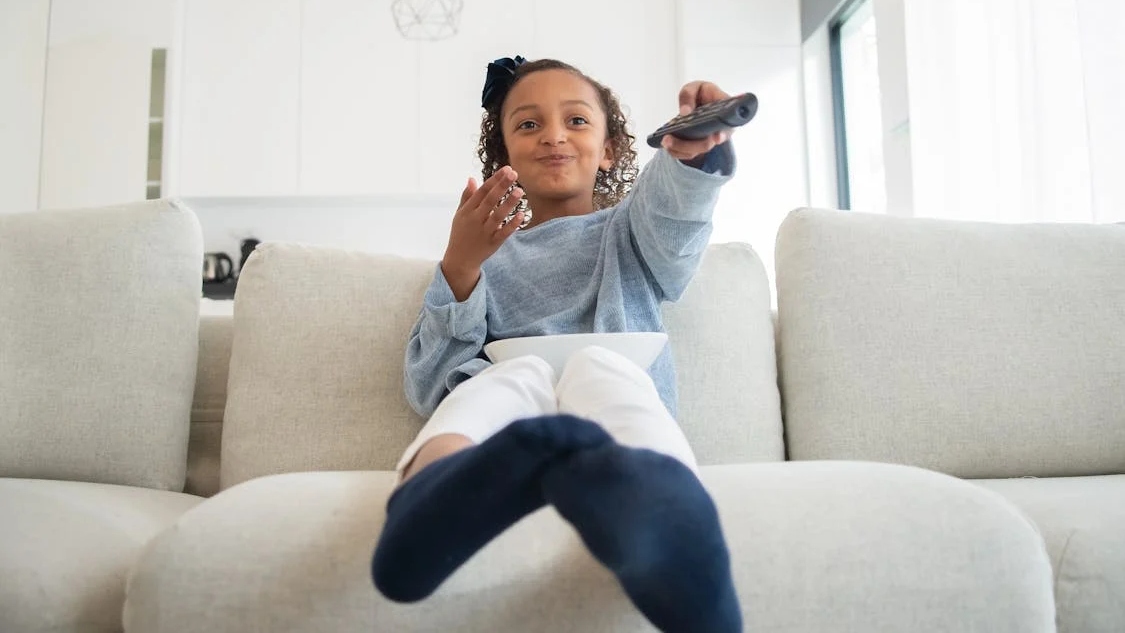
There is a kind of girlhood that many women never got to live. It’s the one filled with play, care-free laughter and the gentle assurance that someone else was in charge of keeping you safe. For many of us, childhood was a race to grow up before we were ready – a crash course in survival disguised as maturity.
We were called ‘little mothers’ as we rocked crying siblings to sleep, while our own schoolwork waited. We were praised for being ‘responsible,’ for cooking dinner, keeping house and knowing when the adults were angry. No one asked if we were tired. No one noticed when we stopped playing.
By the time we turned 16, some of us had already learnt to swallow our voices, to say ‘I’m fine’ when we weren’t. We didn’t get to be care-free. We got to be useful.
It’s easy to look back and call it resilience. Still, resilience built from necessity is not a virtue, it’s a wound that learnt to walk. Many women carry that wound quietly into adulthood. We become the strong friends, the fixers, the reliable daughters, the women who keep everything from falling apart, yet, deep inside, there’s still a little girl who never got to be held, who never got to be loud, messy or simply silly without consequence.
This missing girlhood shows up in subtle ways. It’s in our discomfort with resting, our guilt when we say no, our hesitation to trust others to care for us. It’s in the way we downplay our pain, laugh off disrespect or apologise for taking up space. We grew up believing that love must be earned through usefulness, that strength is the only acceptable form of femininity.
In Eswatini and across much of Africa, this early conditioning is often praised as good upbringing. We are told that ‘a good girl knows her duties.’ We are admired for maturity beyond our years. Perhaps, it’s time we start asking: At what cost? What happens to a woman who never got to be a child? How does she learn to nurture herself when her worth has always been measured by how much she can carry?
There is also a social silence around this loss. When girls grow up too fast, whether through poverty, gender roles or early sexualisation, society rarely calls it what it is: Stolen girlhood. We normalise it, sometimes even romanticise it, saying: ‘She’s so strong, she’s been through a lot’. We celebrate her survival without questioning why she had to survive so much in the first place.
Reclaiming that lost girlhood is not about pretending the past didn’t happen, it’s about giving ourselves permission to soften. It’s learning to play again – even if play now means quiet joy, long naps or laughing without reason. It’s allowing ourselves to cry without shame, to say, ‘I can’t’ without guilt and to stop performing just to be loved. Healing begins when we recognise that the strong woman we became was once a child who deserved gentleness.
For mothers, aunties and caregivers, there’s also a call to break the pattern. Let the girls in your care be children for as long as they can. Don’t rush them into womanhood through chores, fear or shame. Teach them responsibility, yes, but also joy. Teach them that being good does not mean being silent. Teach them that boundaries are not rebellion, they are self-respect.
For those of us still haunted by the girlhood we never had, may we start to mother ourselves differently. May we replace self-criticism with compassion, busyness with stillness and strength with softness. We deserve the kind of peace we once thought was for other people.
The truth is, we were never meant to be women so soon. However, now that we are, we can still choose to raise the little girl within, to finally give her the childhood she was denied.
















Leave a comment