

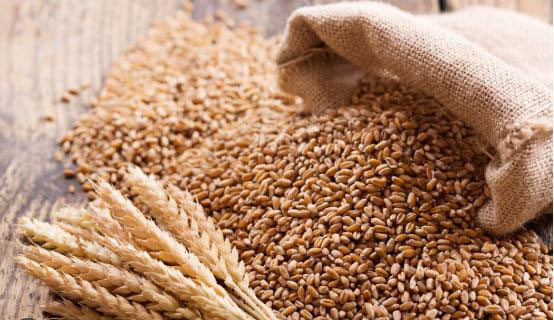
MBABANE – Eswatini’s wheat production is projected to increase by nine per cent in 2025, reaching an estimated 730 metric tonnes.
This is according to the latest Africa Agriculture Watch (AAgWa) Crop Production Forecasts Brief released by AKADEMIYA2063.
The forecast indicates an improvement from the 668 metric tonnes recorded in 2024, reflecting gains across all four regions of the country.
The data is generated using the Africa Crop Production (AfCP) model, an artificial intelligence-based system that analyses remotely sensed geobiophysical data to produce early-season estimates at both pixel and administrative levels.
According to the brief, Lubombo is expected to remain the leading wheat-producing region, driven by strong output in Mhlume and Nkilongo.
Mhlume is forecast to produce 71 metric tonnes in 2025, up from 66 metric tonnes in 2024, while Nkilongo’s production is projected to rise to 61 metric tonnes from 54 metric tonnes the previous year. These increases translate to growth rates of eight per cent and 13 per cent, respectively.
Manzini region is also expected to record notable gains, particularly at Mkhiweni, where wheat production is projected at 59 metric tonnes, compared to 54 metric tonnes in 2024. Mafutseni is forecast to produce 36 metric tonnes, while Ekukhanyeni is expected to record 28 metric tonnes. Collectively, the region shows consistent year-on-year improvements across most districts.
In Hhohho, wheat output is projected to increase modestly, with Mhlangatane emerging as the region’s top producer at 57 metric tonnes, up from 52 metric tonnes in 2024. Other districts, including Mayiwane and Madlangampisi, are also expected to post incremental increases, reflecting stable production conditions.
The Shiselweni region is forecast to produce a combined 179 metric tonnes in 2025, with Shiselweni district leading at 36 metric tonnes, followed by Mtsambama at 30 metric tonnes and Ngudzeni at 27 metric tonnes. While growth in some districts remains moderate, the region overall continues to contribute meaningfully to national wheat output.
The brief highlights that the most significant absolute increases in wheat production between 2024 and 2025 are expected at Nkilongo, Mhlangatane, Mkhiweni and Mhlume, each recording increases of between five and seven metric tonnes.
In percentage terms, Lubuli in Lubombo is forecast to post the highest growth rate at 51 per cent, albeit from a relatively low base, rising from four metric tonnes in 2024 to seven metric tonnes in 2025.
AKADEMIYA2063 notes that the timeliness and accessibility of the AAgWa data is intended to support better planning and decision-making by policymakers, agribusinesses and other stakeholders across the agricultural value chain.
By providing early forecasts, the model allows governments and private sector actors to anticipate production trends and adjust policy, investment and market strategies accordingly.
The organisation emphasises that one metric tonne is equivalent to 1 000 kilogrammes and that the percentage change figures reflect the relative difference between projected 2025 output and estimated 2024 production levels.
While wheat remains a relatively small component of Eswatini’s overall agricultural output, the projected increase signals incremental progress in cereal production, particularly in irrigated and high-potential areas.
The forecast comes amid broader efforts to strengthen domestic food production and improve agricultural data systems across the continent.
















Leave a comment