

MBABANE – Yesterday, the country received E2.6 billion from the Southern African Customs Union (SACU).
This money received by the kingdom from SACU comes from duties on goods imported into the SACU area (Botswana, Eswatini, Lesotho, Namibia and South Africa) and is distributed based on a formula, making it a major revenue stream for the country.
In essence, it is the sharing of pooled customs and excise revenue from goods entering the common market, with payouts happening regularly (often annually or semi-annually) as a significant part of the national budget, funding government operations and development.
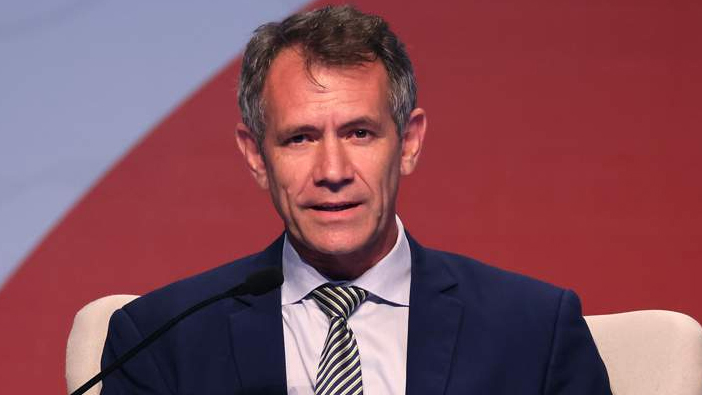
Minister for Finance Neal Rijkenberg confirmed that Eswatini received the money. The priority, he said, would be to settle arrears. Rijkenberg reiterated his assertion from December that suppliers will receive their payments from this amount, which shall further be added by OPEC Fund for International Development, a Fiscal Management and Competitive Development Policy Financing loan not exceeding E858 million (US$50 000 000) for a budget support lending programme. The OPEC funding was sought to settle arrears with suppliers.
It is worth noting that in December 2025, Rijkenberg assured suppliers that all outstanding payments would be settled in full this month. The minister for Finance said this as he anticipated an improved cash flow expected from SACU, the aforementioned loan and also the December 2025 tax collections.
At the time, the minister articulated that government had secured two major loans to ease the cash flow pressure. One loan, amounting to US$47.5 million, was obtained from the African Development Bank, while another US$50 million was secured from the OPEC Fund. He said the African Development Bank funds were expected to be received in the next week.
It is worth noting that in November 2025, nearly 50 government suppliers and service providers’ directors staged a picket outside the Treasury Department in the Ministry of Finance in Mbabane, demanding payment for work completed more than six months ago. The suppliers displayed placards with messages such as ‘ningasitjeli nge network’, meaning, ‘do not blame the network’.
*Full article available on Pressreader*
















Leave a comment