

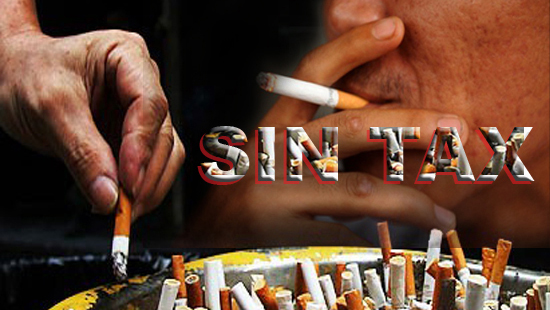
MBABANE – The impact of Eswatini’s recently introduced sin tax is already filtering through the economy.
Latest official data shows a notable moderation in alcohol and tobacco price inflation following the initial spike triggered by the tax increase.
According to the Central Bank of Eswatini’s Recent Economic Developments report for November/December 2025, the price index for alcoholic beverages and tobacco slowed sharply during the review period, falling by 9.5 percentage points to 4.3 per cent in November 2025
This moderation followed a price surge observed in the previous month after the Eswatini Revenue Service (ERS) implemented higher sin taxes on selected products.
Imported alcohol is now subject to an additional 3 per cent levy, increasing landed costs for wines, spirits and beers sourced from outside the country.
Imported tobacco products have faced an even steeper adjustment, with the levy rising from seven per cent to 12 per cent, representing a five percentage point jump.
The report indicates that price decreases were recorded across all alcoholic beverages and tobacco products, with the steepest declines seen in beer and wine, suggesting an early adjustment by both consumers and retailers to the new tax regime.
The sin tax adjustments form part of government’s broader fiscal and public health strategy, aimed at discouraging excessive consumption of alcohol and tobacco, while simultaneously raising domestic revenue. While prices initially rose as suppliers passed on the higher tax burden, the latest data suggests that demand-side responses may already be tempering price pressures.
Economists note that such moderation is not unusual following excise or sin tax hikes, as reduced consumption, promotional pricing or stock adjustments by retailers gradually stabilise prices after the initial shock.
The moderation in alcohol and tobacco prices contributed to broader disinflationary pressures in the economy. Headline consumer inflation fell to 2.4 per cent in November 2025, down from 2.9 per cent in the previous month, supported by easing price growth in food, alcohol and tobacco, as well as restaurants and hotels.
On a month-on-month basis, overall consumer inflation recorded zero growth, reflecting subdued price movements across several key expenditure categories.
Headline consumer price inflation fell to 2.4 per cent in November 2025, from 2.9 per cent recorded in the previous month. Disinflationary pressures emanated from the price indices for ‘food and non-alcoholic beverages’, ‘alcoholic beverages & tobacco’ and ‘restaurants and hotels’.
*Full article available on Pressreader*



















Leave a comment