

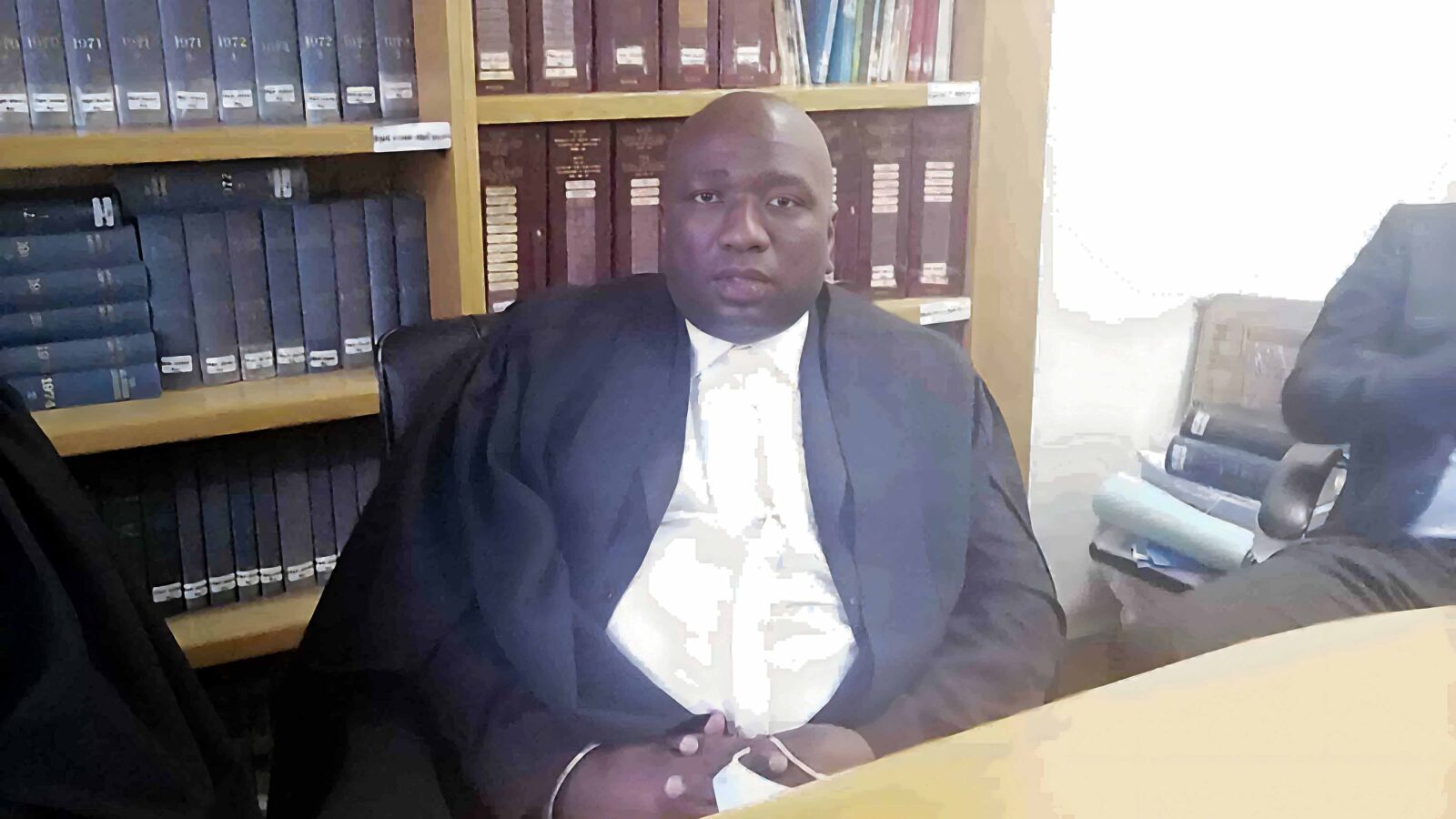
MBABANE – Motorists convicted of drink-driving across the country were yesterday fined significantly lower amounts.
At the Shiselweni Magistrates Court, drink-driving offenders were yesterday ordered to pay fines ranging from E500 to E600, marking a sharp departure from the heavier penalties that were previously imposed for similar offences.
The same trend was observed in other magistrates courts across the country, including Mbabane and Manzini, where offenders were fined amounts ranging between E600 and E800, depending on the charges they faced.
This contrasts sharply with past practice, where drink-drivers were routinely fined between E2 500 and E5 000, especially in cases heard by principal magistrates.
The reduced fines issued yesterday stem directly from a High Court judgment delivered by Judge Bongani Dlamini, which is now binding on all lower courts.
Once the High Court issues a judgment, it becomes binding on all magistrates courts across the country.
As a result, judicial officers yesterday applied the High Court’s interpretation of the Road Traffic Act when sentencing drink-driving offenders, regardless of any personal reservations they may hold.
Before this judgment, sentencing for drink-driving offences varied widely depending on how cases were charged and which judicial officer presided over them.
In many instances, offenders with higher alcohol readings were deliberately charged in a manner that ensured their cases appeared before principal magistrates, who are empowered to impose the maximum fine of E5 000, even without hearing evidence.
Ordinary magistrates, however, were legally limited to imposing fines of up to E2 000, creating a situation where punishment for the same offence depended largely on the rank of the presiding judicial officer.
Judge Dlamini addressed this inconsistency while reviewing a drink-driving conviction from the Manzini Magistrates Court, where an accused had been sentenced to two years imprisonment or a fine of E5 000 by Principal Magistrate David Khumalo.
In his ruling, Judge Dlamini pointed out that it was legally problematic for a principal magistrate to impose a fine of E5 000 without hearing evidence, while an ordinary magistrate was restricted to a maximum fine of E2 000 for the same offence.
He emphasised that punishment should not depend on the rank of the judicial officer, warning that such disparities undermine equality before the law and create unpredictability in sentencing.
*…
Our hands now tied – some magistrates
MANZINI– Some of the magistrates say they had no option but to impose lower fines on drink-driving cases yesterday.
They explained that they are bound by the High Court judgment and risk being challenged if they depart from it.
Speaking after several drink-driving cases were finalised across the country, one magistrate said the reduced fines were not a matter of choice but a legal obligation imposed by the High Court.
“The reason we issued lesser fines is because a High Court judgment is binding on us. As lower courts, we are required by law to follow the interpretation given by the High Court,” the judicial officer said.
He explained that with the current judgment delivered by High Court Judge Bongani Dlamini, magistrates courts have limited discretion when sentencing drink-driving offenders.
“Our hands are tied. If we impose fines higher than what the High Court has outlined, those sentences can easily be challenged and set aside by the High Court.”
The judicial officer acknowledged that judicial officers have their own reservations about whether the reduced fines are sufficient to deter motorists from driving under the influence, particularly given the country’s rising number of alcohol-related road crashes.
*Full article available on Pressreader*

















Leave a comment