

MBABANE – Eswatini’s investment management market is undergoing a quiet but telling reshuffle, with leading asset managers tightening their grip on investor funds.
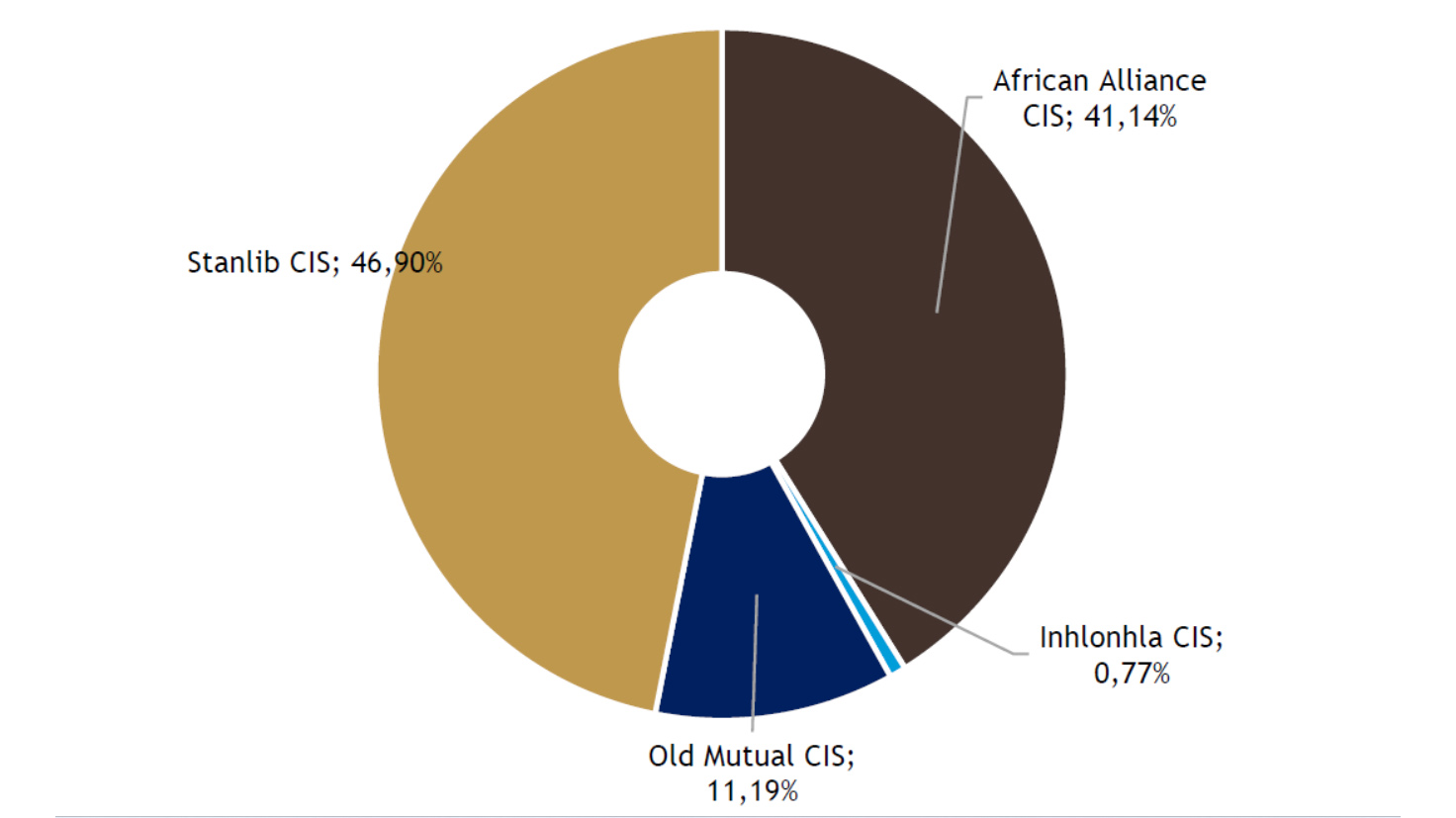
There was a shift in market share as Stanlib increased its market share, moving from 45.97 per cent in the previous quarter to 46.90 per cent in the current period.
Stanlib also saw a significant increase in assets. African Alliance’s market share decreased to 41.14 per cent, from 42.48 per cent, even though their assets under management had increased. Old Mutual’s market share rose to 11.19 per cent from 10.72 per cent in the previous period.
These shifts, captured in the Financial Services Regulatory Authority’s (Financial Services Regulatory Authority) Quarterly Statistical Bulletin for the third quarter of 2025, provide an important window into how Eswatini’s investment management landscape is evolving.
More than just league-table movements, the changing market shares reflect deeper trends in investor behaviour, asset growth and the broader performance of the non-bank financial institutions (NBFI) sector, which continues to play a growing role in financing the economy.
The collective investment schemes (CIS) sector, which pools funds from individuals and institutions into professionally managed portfolios, recorded notable growth during the quarter.
Total assets under management (AUM) increased by 8.55 per cent quarter-on-quarter to E10.21 billion, while assets under advisory (AUA) rose by 5.20 per cent to E33.24 billion. On an annual basis, AUA expanded by nearly 15 per cent, highlighting growing confidence in formal investment vehicles as savings and wealth-building tools.
The market share movements among the top CIS managers tell a story of intensifying competition. Stanlib’s gains were supported by stronger inflows and asset growth, consolidating its position as the market leader.
African Alliance, while still commanding a significant share, ceded ground in percentage terms despite recording asset growth — a sign that competitors are expanding faster.
Old Mutual’s gradual rise points to steady client acquisition and portfolio performance, particularly among long-term institutional investors.
Beyond the managers themselves, the composition of investors also shifted. Retirement funds remained the dominant source of capital, accounting for close to 40 per cent of CIS assets, reflecting the long-term nature of pension savings.
Corporate clients and insurance funds also increased their allocations, signalling stronger institutional participation in capital markets. Retail investors, though still important, slightly reduced their share, suggesting households may be facing competing financial pressures or reallocating savings across different products.
The growth in managed assets was supported by positive trends in the capital markets. Total capital market assets rose by nearly 6 per cent during the quarter to E43.46 billion, underpinned by gains in equities, property valuations and bond income.
Almost half of these assets were invested within the Common Monetary Area, with a strong bias towards the Johannesburg Stock Exchange, reflecting Eswatini’s close financial integration with South Africa.
*Full article available on Pressreader*





















Leave a comment