

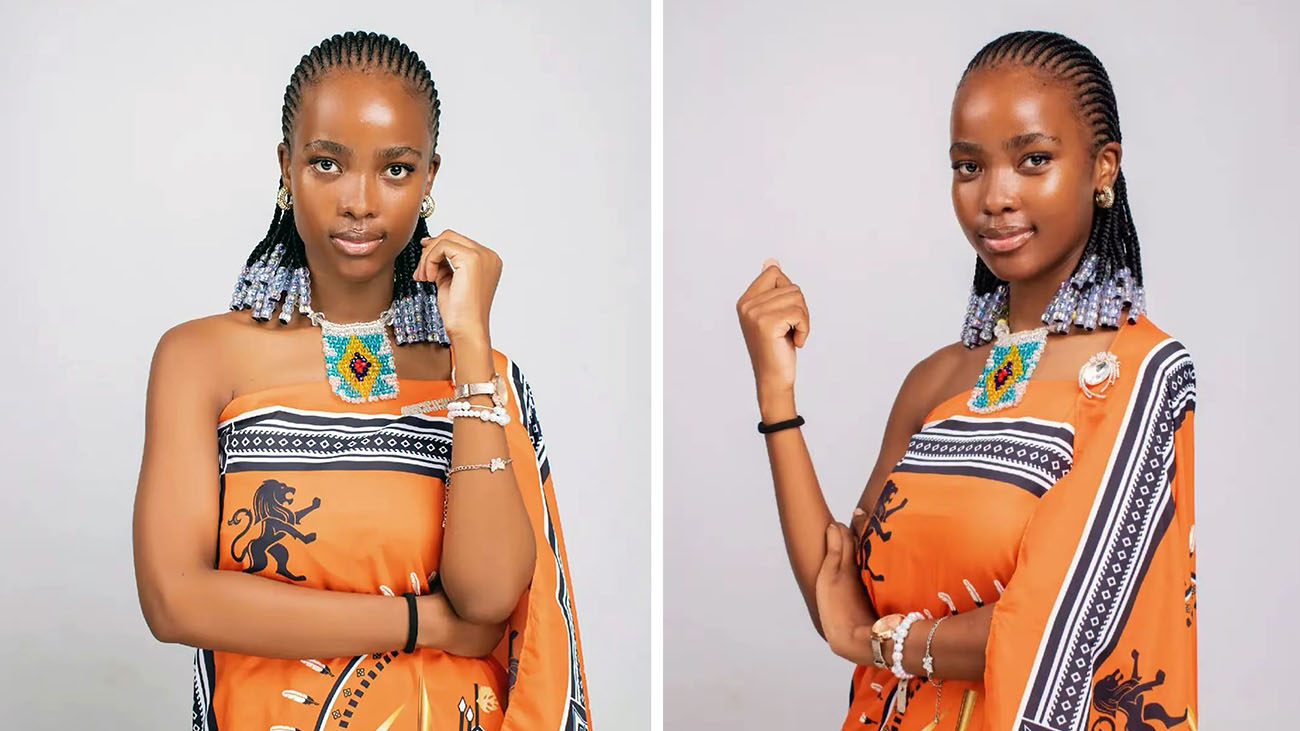
In the quiet community of Qomintaba, under the guidance of Chief Gasa Wangwane, a young woman is redefining what it means to be a cultural custodian in the 21st century.
Siphelele Dlamini, a second-year Procurement and Supply student at IDM and the reigning Miss Cultural Heritage Shiselweni, is on a mission to prove that tradition and modernity are not rivals, but partners.
Dlamini’s journey into the spotlight began far from the pageant stage. “I grew up known as a shy and reserved child. I only discovered my love for pageantry in my early teens. Once I knew my heart was in the right place, I found the confidence to pursue it,” she reflected.
That pursuit has been anchored by a deep-seated connection to Swati roots. Her earliest memory dates back to age six, attending the Umhlanga Reed Dance at Mbangweni. The vibrant sea of people and the rhythmic resonance of traditional songs left an indelible mark on her. Today, that childhood wonder has matured into a sophisticated understanding of Eswatini’s national ceremonies.
While she appreciates many festivals, the Incwala ceremony holds a unique place in her heart. “I fell in love with it as a child while watching my family participate every year,” Dlamini says.
The ceremony involves rituals that symbolise renewal and purification. As a spiritual person, the ceremony resonates with her on a very profound level. She views events like the Buganu Ceremony not merely as festivities, but as essential safeguards for the identity and knowledge of emaSwati. To Dlamini, these gatherings are the bedrock of community values.
Vision for Cultural Tourism
As a cultural ambassador, Dlamini is keen to highlight how these traditions can fuel the national economy.
She believes that by showcasing arts, crafts and community life, Eswatini can attract a global audience. “Hosting well-known festivals like the Umhlanga Reed Dance attracts international and regional visitors,” she explains.
“We should encourage interaction through traditional dance workshops, craft demonstrations and food tastings featuring authentic Swati cuisine,” she added.
She leads by example, using her platform to promote local artisans and lassie crafts.
For Dlamini, craftsmanship is a tool for education and economic empowerment, allowing her to explain the intricate meanings behind traditional designs to a broader audience.
One of Dlamini’s most passionate causes is the modernisation of traditional attire. She rejects the idea that modern living requires the abandonment of heritage.
Instead, she advocates for a stylish blend of the two worlds. “Modernisation should not be an excuse for ignoring our tradition. Nothing looks more powerful than an evening gown featuring emahiya prints or a traditional shawl draped over a modern dress.
We can turn traditional accessories into statement pieces by blending fabrics and patterns with contemporary clothing,” she insisted. She suggests that for the youth to embrace heritage, it must be made accessible and fashionable. She envisions designers turning traditional fabrics into trendy jackets, skirts and even streetwear.
She cites Gciniwe Fakudze as a superstar in the fashion realm, praising the designers who manage to balance grace with contemporary flair. Dlamini’s commitment to her culture is matched by her dedication to her studies.
A self-described ‘big academic’, she spends her spare time reading and watching documentaries to stay informed on global political and environmental trends. As Miss Cultural Heritage, she plans to bridge the generational gap through school-based initiatives.
Her vision includes programmes where elders and artisans teach youth traditional skills such as beadwork, dance and storytelling. Most importantly, teaching the youth the importance of respect. She also recognises that the battle for cultural preservation will be won or lost on social media.
She advocates for the use of TikTok, Instagram and YouTube to share folklore and history. “We can use sounds from local artists like Sancheziey and start interactive campaigns like dance challenges or traditional outfit styling. It is about sharing our stories in an engaging way,” she said.
*Full article available on Pressreader*


















Leave a comment