


MBABANE – Imagine Eswatini with a healthcare system fit for a First World country.
The future of healthcare in Eswatini will depend on stronger collaboration between the public and private sectors, with The Clinic Group positioning itself at the forefront of efforts to align the country’s health system with His Majesty’s vision of attaining First-World status.
Speaking during a high-level health symposium, the Managing Director of The Clinic Group, Gcinekile Nxumalo, called for a fundamental shift in how healthcare is delivered, emphasising shared responsibility as the foundation for building a modern, efficient and inclusive system.
“We are here today because we share a singular, non-negotiable ambition: The health and well-being of emaSwati ,” the MD said, underscoring the sector’s collective role in achieving national development goals.
The remarks come as the country implements the National Health Sector Strategic Plan 2024–2028 (NHSSP), a blueprint aimed at transforming healthcare delivery and expanding access to essential services.
According to Nxumalo, the plan presents a critical opportunity not only for reform, but for a complete rethinking of how the sector operates in a rapidly evolving global environment.
A central theme of the discussion was the need to dismantle the long-standing divide between public and private healthcare systems.
Nxumalo argued that such distinctions are increasingly irrelevant to patients who prioritise access to reliable, timely and high-quality care.
“For too long, the narrative has suggested that public and private health exist in parallel, rarely touching. But patients do not see their health journey through these silos, they want effective, accessible care,” she said.
To meet the demands of a First World healthcare system, stakeholders were urged to fully leverage the private sector’s capacity, which remains underutilised despite its potential to address key national challenges such as infrastructure gaps, supply chain inefficiencies and the retention of skilled professionals.
Nxumalo proposed the expansion of public-private partnerships (PPPs) as a practical pathway to achieving these goals, clarifying that such arrangements are not about privatisation but about strategic collaboration.
“When we propose a public-private partnership, we are not proposing the privatisation of health. We are proposing a pragmatic sharing of responsibility,” Nxumalo emphasised .
Under this model, government would maintain oversight and safeguard equitable access, while the private sector would contribute investment, innovation and operational efficiency. This integrated approach, stakeholders said, is essential for building a resilient and globally competitive health system.
*…
Eswatini dialysis model offers lessons for Africa
MBABANE – A decade-long public-private partnership (PPP) in Eswatini is emerging as a model for expanding access to specialised healthcare in resource-limited settings, particularly for patients suffering from kidney failure.
The partnership, based at Mbabane Government Hospital, was established in 2014 to address a critical shortage of dialysis services. At the time, only 34 patients had access to life-sustaining treatment. By June 2025, that number had surged to 232, reflecting a dramatic expansion in care and capacity.
According to Dr Thandiwe AL Dlamini, a Specialist Physician and Nephrologist involved in the programme, the PPP enabled government to tap into private sector expertise, infrastructure and financing. “This model shows that with the right collaboration, countries can rapidly scale up advanced healthcare services,” she noted during a recent symposium presentation.
Under the arrangement, the private partner financed and built dialysis infrastructure, supplied machines and consumables, and trained healthcare personnel. Meanwhile, government funded patient treatment and provided essential medications, making Eswatini one of the few African countries to fully cover dialysis costs for its citizens.
The results extend beyond patient numbers. The initiative has strengthened the country’s healthcare workforce, producing trained nephrologists, specialised nurses and technicians. It also introduced new treatment methods, including peritoneal dialysis and established outreach programmes to improve early detection and management of kidney disease.
*…
… symposium sparks debate on future of healthcare
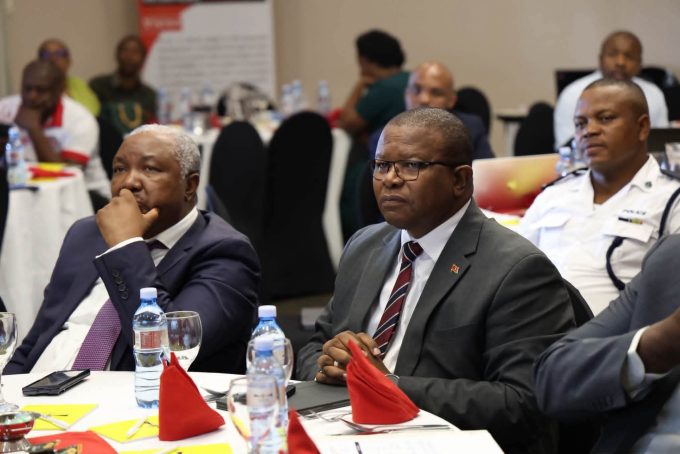
MBABANE – The high-level health symposium has ignited fresh debate over the future of healthcare delivery, with stakeholders calling for a fundamental shift in how partnerships between the public and private sectors are structured.
Delivering remarks on behalf of the Ministry of Health, the Director of Clinical Services Dr Velephi Okello said the current moment presents an opportunity to reassess how partnerships are designed and implemented.
She emphasised that while PPPs have contributed to improvements in service delivery, infrastructure and access to specialised care, they have also exposed systemic weaknesses that must be addressed.
Among the key concerns raised were inadequate contract management, limited technical expertise within the public sector and the financial burden associated with poorly negotiated agreements.
Participants noted that in some cases, partnerships had been driven more by private sector interests than by clearly defined public health needs, resulting in misaligned priorities. Okello stressed the importance of clearly articulating the purpose of each partnership, ensuring that it aligns with broader national goals such as universal health coverage.
“We must move away from reactive approaches and ensure that every partnership is guided by a clear understanding of its intended impact,” she said.
Another major point of debate was the need to shift focus from hospital-based care to community-level services. Stakeholders argued that investing in primary healthcare and disease prevention would not only improve outcomes but also reduce long-term costs.
There were also calls to embrace technology-driven models that enhance efficiency and expand access to care, particularly in underserved areas.
Health professionals at the symposium highlighted the benefits of past collaborations, including improved access to specialised treatments such as oncology and radiology services. However, they cautioned that these gains must be sustained through better planning and stronger regulatory oversight. The issue of equity also featured prominently in the discussions, with concerns raised about ensuring that all citizens benefit from partnerships, regardless of their ability to pay.
Okello acknowledged these concerns, noting that weak regulatory systems had previously undermined equitable access to services in certain cases.
*Full article available on Pressreader*



















Leave a comment