

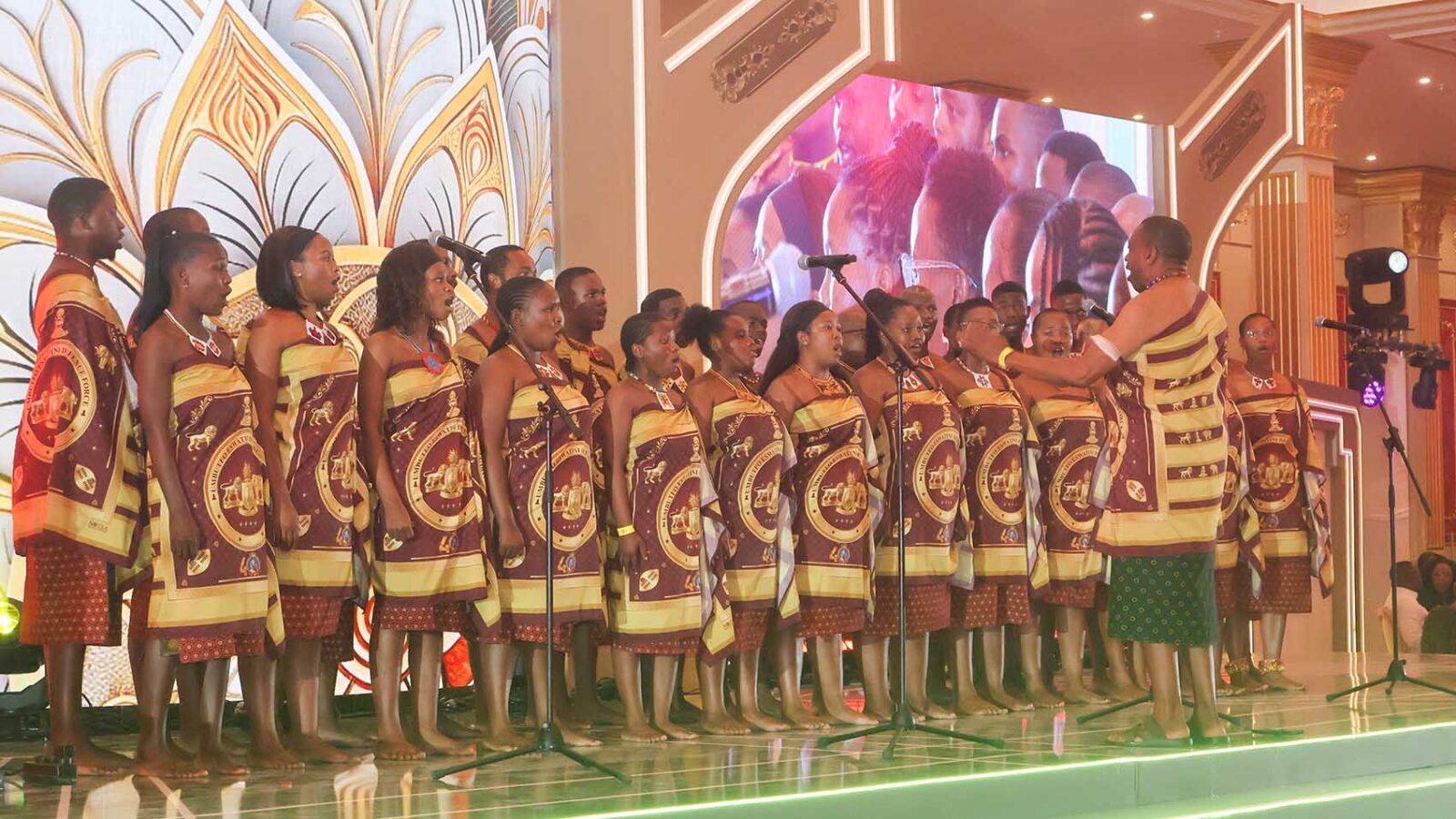
The recent 40/58 double celebrations in Eswatini marked two milestones: 40 years of rule by King Mswati III and his 58th birthday. The scale, symbolism and national visibility of the event reflected the enduring centrality of the monarchy in the country’s identity. For many emaSwati, it was a moment of pride, continuity and cultural affirmation. Yet beneath the spectacle, the meaning of such celebrations varies widely depending on one’s position in society.
For the ordinary emaSwati the celebration carried a mix of emotion. On one hand, it reinforced a sense of national unity. The monarchy is deeply woven into the country’s traditions, governance structures and social fabric. Cultural ceremonies, regiments and public gatherings during such milestones often create a shared experience that transcends everyday divisions. Many people participate not simply out of obligation, but because these events affirm a collective identity that has endured colonialism and modern pressures.
At the same time, there is a quieter, more complex layer to how ordinary citizens experience these moments. Eswatini faces ongoing economic challenges, including high unemployment and inequality. For families struggling to make ends meet, large-scale celebrations can feel distant from their daily realities. While the festivities symbolise stability at the top, they can also highlight the gap between national pride and personal hardship. Some citizens view the resources directed towards celebrations and ceremonies with mixed feelings, questioning whether those resources might better address pressing social needs such as jobs, healthcare and education.
For younger generations, the meaning of the 40/58 celebration is also evolving. Many young people respect tradition, but are increasingly exposed to global conversations about governance, accountability and human rights. For them, the milestone can prompt reflection on what the next 40 years should look like. It raises questions about how tradition can coexist with change and whether the current system is responsive enough to the aspirations of a youthful population seeking opportunity and voice.
For minority groups, the experience of the celebration can be even more layered. Groups that exist outside the dominant cultural or political mainstream may not always see themselves fully reflected in national narratives. While the monarchy is presented as a unifying institution, some minorities feel that their concerns remain at the margins. This includes communities advocating for greater political freedoms, gender equality or recognition of diverse identities.
For example, individuals and groups working around issues of identity and inclusion may find national celebrations to be moments of both visibility and invisibility. On one hand, they are part of the nation being celebrated. On the other, their lived experiences may not align with the image of unity presented during such events. The emphasis on tradition can sometimes feel exclusionary when it does not fully acknowledge or protect diversity within the population.
There is also the question of civic space. Minority voices that seek to engage critically with national events may not always feel free to do so openly. In such contexts, celebrations can take on a dual character. They are genuine expressions of cultural pride, but they can also serve as reminders of the limits placed on public discourse. For those advocating for change, the milestone becomes less about the past 40 years and more about what remains unresolved.
Despite these tensions, it would be simplistic to frame the 40/58 celebration as either wholly positive or negative. Its significance lies in its ability to hold multiple meanings at once. It is a testament to continuity and tradition, but also a mirror reflecting the country’s social and economic realities. It unites people in shared rituals, while also exposing differences in how that unity is experienced.
Looking ahead, the real impact of such milestones will depend on how they are interpreted and acted upon. If they remain purely symbolic, their meaning may gradually narrow to ceremonial value. However if they inspire dialogue about inclusion, equity and the future of governance, they could serve as turning points.
For the ordinary liSwati and for minority groups alike, the 40/58 celebration is not just about marking time. It is about asking what kind of nation Eswatini is becoming and who gets to shape that journey?


















Leave a comment