

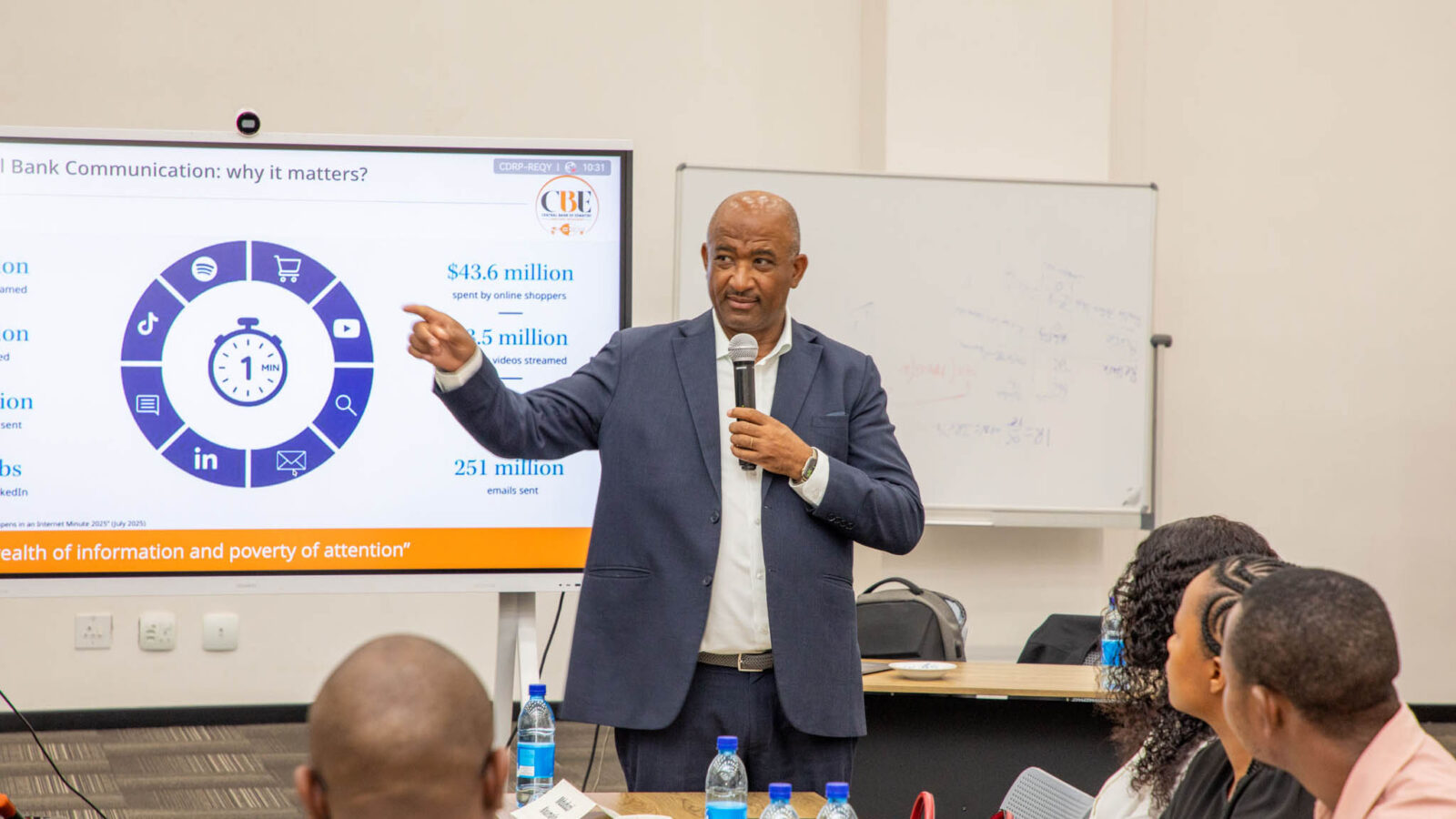
MBABANE – The Monetary Policy Consultative Committee (MPCC) will meet on Friday to deliberate on monetary policy for the second time since the conflict in the Middle East started.
The MPCC advises the Central Bank of Eswatini (CBE) on setting the country’s interest rates and monetary policy. Operating under the Central Bank, the committee meets bimonthly to maintain the fixed exchange rate with the South African Rand and ensure regional financial stability.
Since the previous MPCC meeting in March, there has been a brief ceasefire, while peace talks between the US and Iran continue, but have yet to yield a resolution.
The Strait of Hormuz is still largely closed, disrupting global supply chains and keeping energy, gas and fertiliser prices high.
The war-driven supply shock that initially pushed energy costs up is now lifting consumer inflation and worsening the near-term outlook.
In April, headline inflation rose to 2 per cent from 1.6 per cent in March, driven mainly by the immediate effects of higher transport costs and electricity costs.
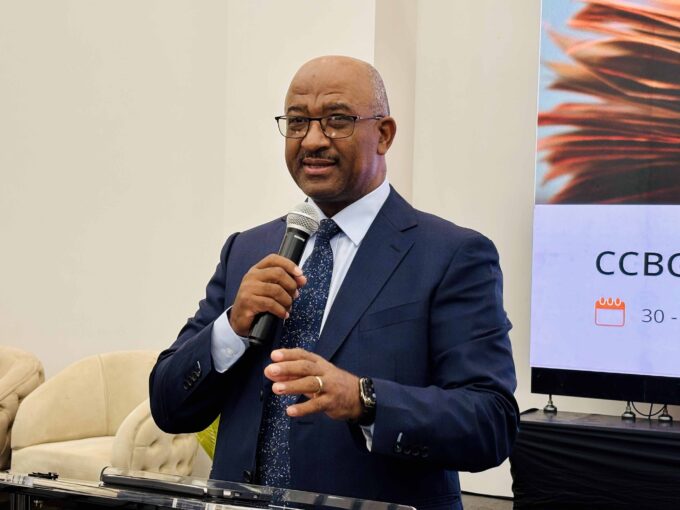
The CBE Governor Dr Phil Mnisi indicated in his latest annual monetary policy statement that Eswatini’s inflation is expected to trend upwards in the near term.
He said underlying pressures from global oil prices are expected to push fuel local costs higher, directly impacting transport inflation and feeding further into food prices.
Dr Mnisi said following the largely accommodative monetary policy stance adopted by the bank over the past two years, the higher inflation expectations have increased the likelihood of interest rates going higher in the near to immediate term.
“The bank is watching the global developments closely and will respond accordingly to safeguard our price and financial stability mandate,” he said.
Economists at FNB South Africa believe the likely spillover into a wider range of goods and services is more important.
“Some market expectations for 2026 have been revised from around 3 per cent at the start of this year to north of 4 per cent currently. This reflects sticky oil prices, rising distribution costs that are likely to shape retail pricing and the risk that future planting seasons could be disrupted by shortages of key inputs and adverse weather conditions,” the South African Reserve Bank (SARB) said in a note last Friday.
At the March MPC meeting, forecasts had not yet fully captured the scale of the conflict.
When the SARB’s MPC meets this week, FNB South Africa says the central bank will likely provide a clearer indication of its assessment of the second-round effects of the war and the risk of persistently higher inflation expectations.
“In our view, the question is less whether policy needs to tighten and more how quickly the tightening will proceed.”
FNB says the broader lesson is that hopes for a quick resolution to geopolitical shocks are often misplaced. Even when markets gradually adjust and risk premia begins to normalise, the initial inflation impulse still requires a policy response.
*Full article available on Pressreader*
















Leave a comment