Home Business EEC pursues local manufacturing of meters, cables
Business

EEC pursues local manufacturing of meters, cables

Share
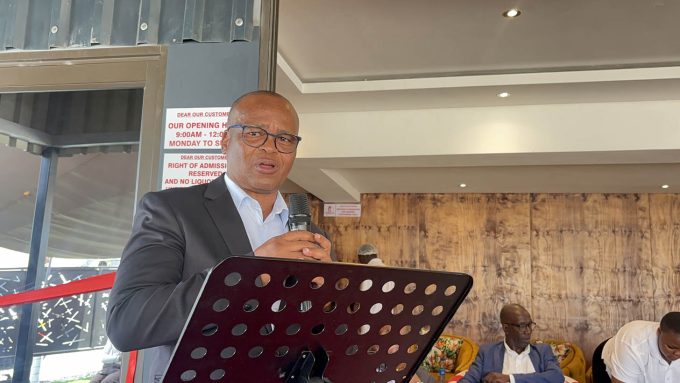
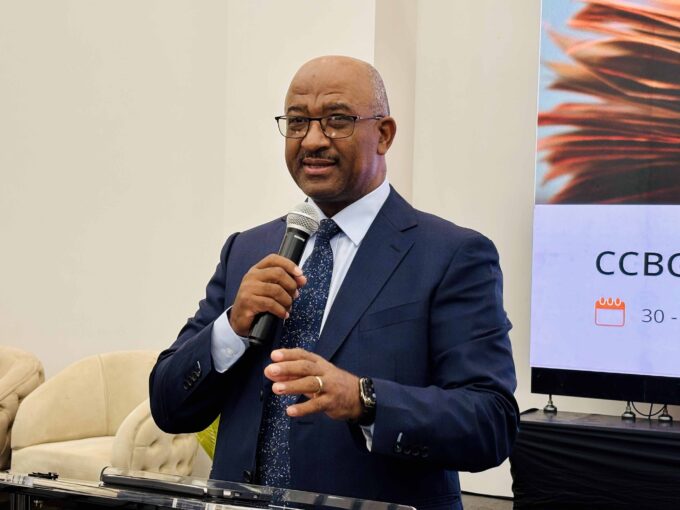
EEC said the projects were aimed at addressing challenges associated with sourcing critical electrical infrastructure components from international suppliers. (Courtesy pics)
Share

MBABANE – The Eswatini Electricity Company (EEC) is seeking to establish local manufacturing plants for smart meters, cables and ancillary electrical products.

This is a move that could significantly reduce the country’s dependence on imports while strengthening domestic industrial capacity.

The power utility has invited experienced international manufacturers to partner with it in designing, financing, establishing and operating two manufacturing facilities in Eswatini, a smart meter manufacturing plant and a cables and ancillary products manufacturing plant.

The initiative forms part of EEC’s broader strategy to secure reliable supplies of critical inventory items while ensuring affordability, price predictability and supply chain stability.

According to tender documents issued by the utility, EEC intends to identify technical and financial partners with proven track records in manufacturing the required products, with the expectation that the utility or its subsidiary will hold equity in the proposed ventures.

EEC said the projects were aimed at addressing challenges associated with sourcing critical electrical infrastructure components from international suppliers.

*…

Up to E400m spent on cable imports annually

MBABANE – One of the strongest motivations behind the proposed cables manufacturing plant is the significant amount of money currently spent importing electrical cables and related products.

According to EEC, the utility spends between E120 million and E400 million annually procuring cables and ancillary materials from international suppliers.

The expenditure is expected to increase in the coming years as EEC accelerates network expansion and maintenance programmes across the country.

The utility projects demand for cables and ancillary products to grow by between 50 and 100 per cent as it moves to instal at least 8 000 kilometres of last-line distribution network by 2030 under an internationally financed electrification programme.

Additional demand will be generated through routine and emergency maintenance of EEC’s existing 30 000-kilometre electricity network, which has increasingly come under pressure from climate change-induced storms and extreme weather events. Beyond EEC, the company identified several large organisations operating private townships and electricity distribution systems as potential customers for locally manufactured products.

*Full article available on Pressreader*  

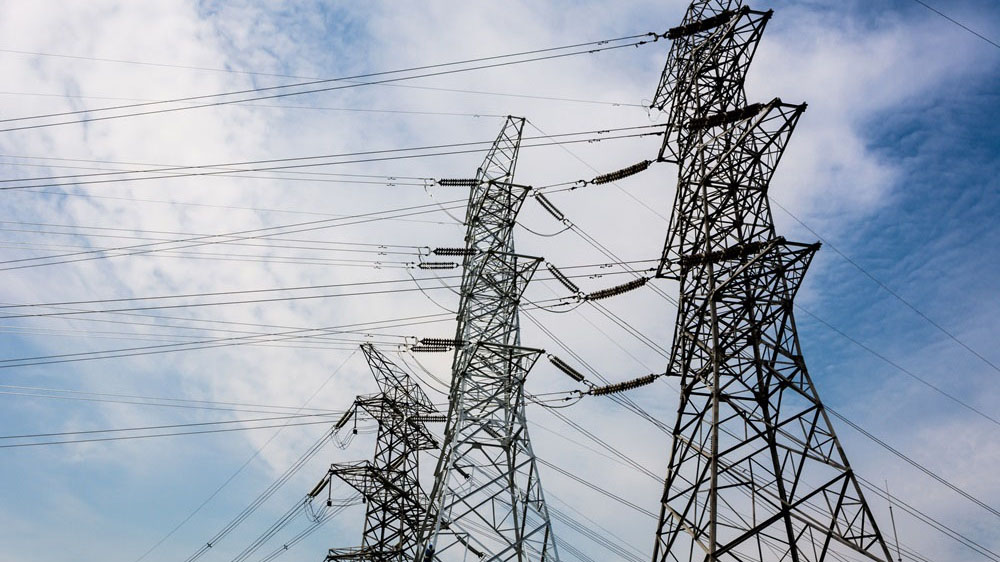
The proposed factory would produce a wide range of electricity distribution products, including ACSR conductors, aerial bundled cables (ABC), clamps, connectors, lugs, ferrules and other ancillary components used in power distribution infrastructure.
Share
Written by
Nhlanganiso Mkhonta

Nhlanganiso Mkhonta serves as Business Editor at the Times of Eswatini. He reports on business, economics, finance, investment, entrepreneurship and public policy, producing insightful coverage and analysis of the issues driving Eswatini’s economy and the wider African business environment.

Leave a comment

Leave a Reply

Your email address will not be published. Required fields are marked *

Don't Miss

Maloma Colliery calls for calm as wage talks continue

MBABANE - Maloma Colliery Ltd has offered employees a cumulative nine per cent salary increase over two years, but wage negotiations have reached...

Eswatini girls shine at Dance World Cup finals

MBABANE - Eswatini’s young ambassadors represented the nation with flawless charm at the ongoing Dance World finals in Ireland. Talent and Motion shared...

DNA plan could swallow E126m of Home Affairs budget

MBABANE – Making DNA testing compulsory before issuing birth certificates could cost taxpayers about E126 million annually, enough to fund free Grade I...

Shembe forgives Zulu King after video fallout

MBABANE – Members of the Nazareth Baptist Church in Eswatini have rallied behind His Holiness Unyazi Lwezulu Shembe after he publicly forgave Zulu...

Swazipharm blames ministry delays, commits to compliance

LOBAMBA – After being implicated in the delivery of medical drugs that were later recalled, prominent pharmaceutical supplier Swazipharm has reaffirmed its commitment...

Related Articles

Eswatini Sugar sweetens economy with E8bn revenue

MBABANE - Eswatini’s sugar industry proved its resilience against the most challenging...

Trade deficit widens to E397.6m in June

MBABANE – Eswatini’s merchandise trade deficit widened to E397.69 million in June...

FNB takes SME support directly to regions

MBABANE – FNB Eswatini is expanding its support for the country's small...

FDI inflows plunge to E810m in 2025

MBABANE – Eswatini attracted approximately E810 million (US$45 million) in foreign direct...