

Buffalo
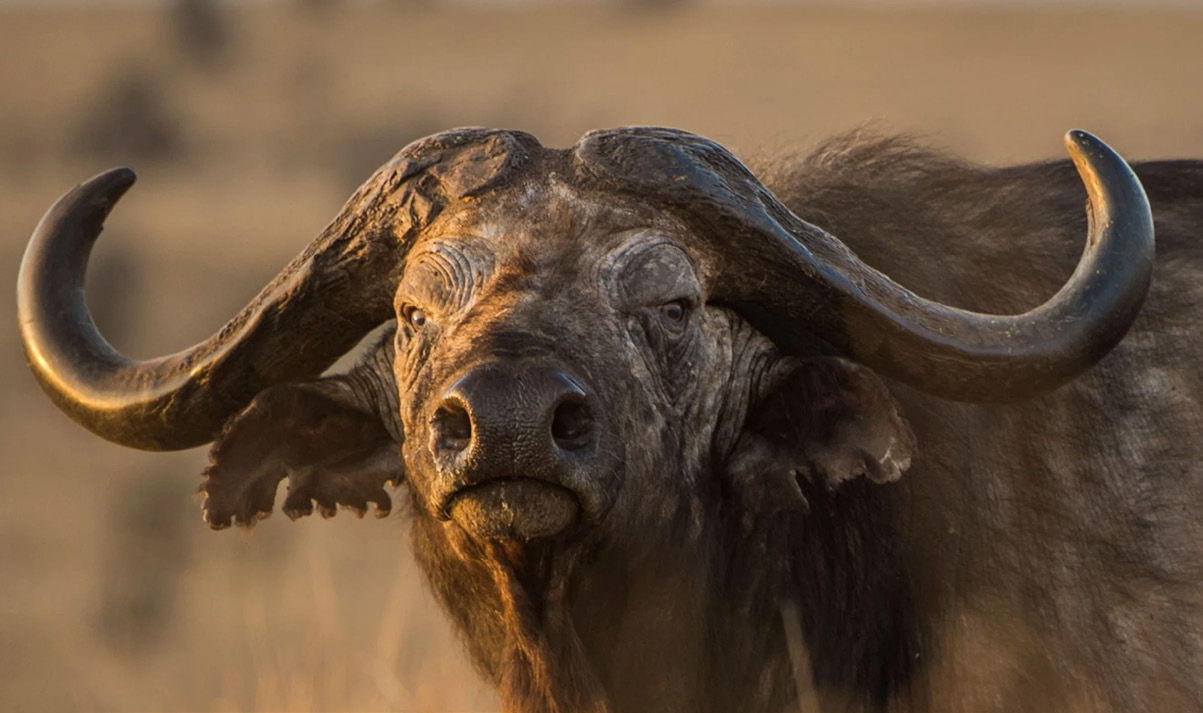
Scientific name: Syncerus caffer siswati name: InyatsiHAVE you ever heard the jokethat when a buffalo looks atyou, it is as though you owehim money? This may be looking at things from the funny side, but thesemassive bovines are not known fortheir sense of humour!The steely gaze and intimidating stare are enough to make the bravest safari goer feel uncomfortable. Buffaloes are generally pretty grumpy and, therefore, are
one of the most dangerous animals in Africa. Their eyesight is not good; however, they have excellent hearing and a sense of smell.
Black Rhino
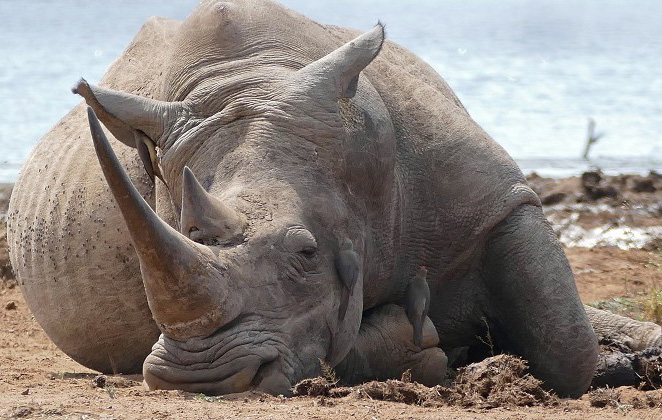
WHITE rhinos are plentiful, and the critically endangered black rhino is the top attraction. Black rhinos have hooked upper lips, whereas white rhinos are characterized by a square lip. Black rhinosare browsers, rather than grazers, meaning they are herbivores who do not feed on low-growing vegetation, and
their pointed lip helps them feed on leaves from bushes and trees. They have two horns, which grow continually from the skin at their base throughout the rhino’s life (like human fingernails). The front horn is longer than the rear horn, averaging around 19 inches long.
WHITE WILDEBEEST (GNU)
Scientific name: Connochaetes
taurinus albojubatus
siSwati name: Ingongoni lemhlophe
THIS subspecies of wildebeest has a white beard, unlike most other subspecies which have black beards, both sexes have smooth, cow-like horns.
Despite their somewhat ungainly appearance, wildebeests are built for both speed and endurance. Capable of reaching speeds up to 50mph (80km/h), they are adept at evading predators. Their muscular build and powerful limbs enable them escape from predators. They can travel long distances efficiently and effectively, using no more energy to run than they do to walk.
Fun fact: Calves can stand and run within 3 to 7 minutes after birth. They follow their mothers as they move with the herd.


















Leave a comment