

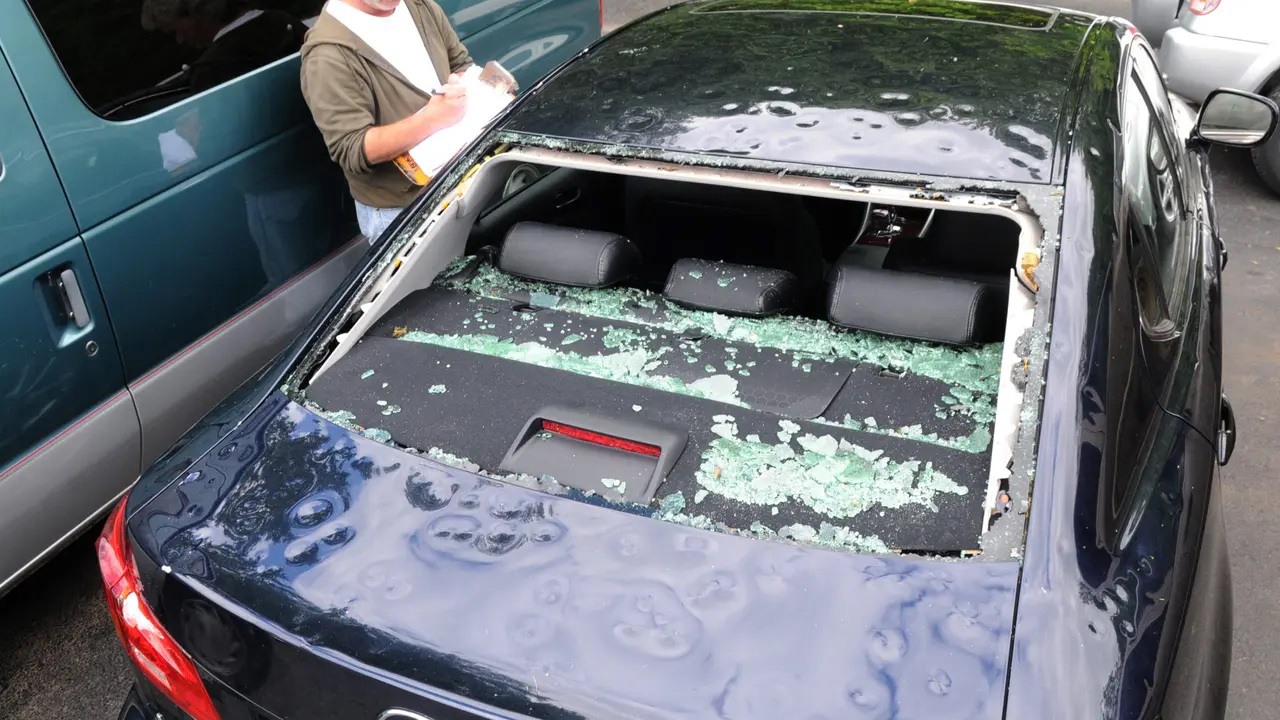
Every year, hailstorms leave a trail of destruction across Eswatini as climate change continues to be our new reality.
What may look like harmless chunks of ice falling from the sky often translate into thousands of Emalangeni in damage, especially for car owners. Vehicles are among the hardest hit, with owners filing thousands of annual claims or, in many cases, digging deep into their own pockets to repair the costly dents and shattered windscreens when they are not insured.
The severity of the damage depends largely on the size of the hailstones, with even small hailstones as tiny as pebbles, capable of leaving minor dents or dings on a car’s exterior.
Hailstones the size of coins can cause noticeable dents and cracks, while larger stones, that resemble golf balls or limes in size, can shatter windows and cause extensive damage.
Hail forms when small water droplets are carried into a thunderstorm’s freezing level, where they freeze into ice stones. These hailstones remain suspended in the storm clouds until they become too heavy to stay aloft, at which point, they fall to the Earth’s surface.
Here are several tips to help drivers protect their vehicles from hail damage:
First and foremost, it is recommended to seek covered parking ahead of a severe weather event. Parking your car in a garage, under an awning or beneath any substantial structure that can withstand a thunderstorm is the best defence.
When covered parking isn’t available, it is suggested you use bedding, blankets or tarps to shield your car’s hood and windshield from hail. Some drivers even successfully use cardboard boxes or vehicle floor mats to offer a makeshift barrier against the storm.
While these preventative measures can help reduce the risk of damage, failing to cover your car can result in costly repairs.
In extreme cases, particularly with monster hailstones larger than three inches, vehicle damage may be so extensive, it may be easier to total a car rather than try repairs.
Repair costs from hail damage can be significant, with the price of fixing shattered windows and dents quickly adding up.
Insurance experts note that while a standard auto policy typically does not cover hail damage, more comprehensive policies may offer protection against severe storms.
For those who live in a storm zone, it is essential to review your insurance policy to determine if hail damage is covered and what the deductible might be.


















Leave a comment