
Every October, the world turns a shade of pink as communities unite for Breast Cancer Awareness Month. Founded in 1985, this campaign has grown into a global movement aimed at raising awareness, supporting survivors and funding critical research into the causes and treatment of the disease. However, beyond the pink ribbons and awareness walks, one important question remains: Who is most at risk?The truth is, every woman is potentially at risk of developing breast cancer. However, certain factors place some women in a higher risk category. Understanding these can help promote early detection and better prevention.Age plays a major roleWhile breast cancer can occur in younger women, the risk increases with age. Statistics show that about 1 in 8 invasive breast cancers are found in women under 45, while two-thirds occur in women 55 or older.Family history is another key factorWomen with close blood relatives, a mother, sister or daughter, who have battled breast cancer face about double the risk of developing it themselves.For those with a personal history of breast cancer, the danger also remains high.A woman who has had cancer in one breast has three to four times the chance of developing a new cancer in the other breast, or in another part of the same breast.Even something as invisible as breast density plays a partDense breast tissue not only raises risk, but it also makes it harder for doctors to detect tumours on a mammogram.Weight also mattersOverweight or obese women, especially those with hormone-receptor-positive breast cancer, face higher chances of recurrence and lower survival rates.Lifestyle choices cannot be ignoredSmoking, excessive alcohol consumption, diets high in saturated fats and little to no physical activity all contribute to the risk.While these factors may sound daunting, they are not a death sentence. Instead, they highlight the importance of awareness, regular screenings and healthier lifestyle choices. This month, as we stand with survivors and honour those we’ve lost, let’s also commit to knowing our risks and encouraging others to do the same. Since awareness is more than a ribbon, it is a life-saving choice.



MaMkhize’s Bull faces police test
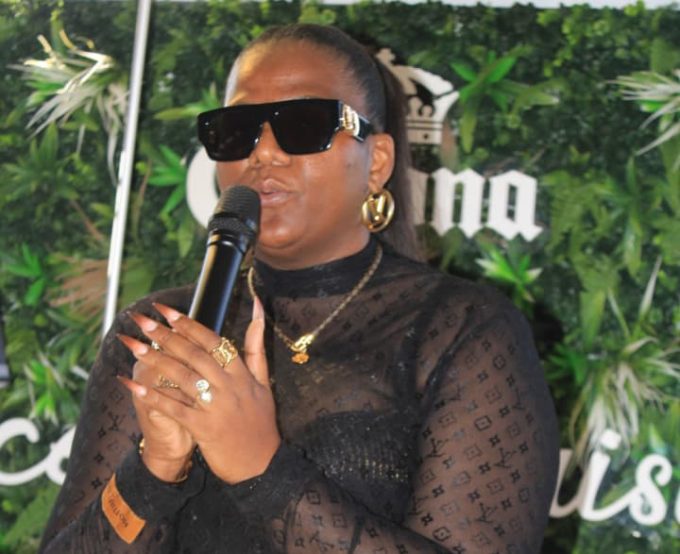
MBABANE – Shauwn ‘MaMkhize’ Mkhize’s Mbabane Highlanders AM face their sternest MTN Premier League test yet when they meet Royal Leopard at Mayaluka...

Eswatini’s fastest lady honoured at TUT sports awards
MBABANE – Eswatini's fastest lady Bongiwe 'Smolly' Mahlalela has been crowned Sportswoman of the Year at the prestigious Tshwane University of Technology Sports...

Standard Bank brings back Instant Money
MBABANE - Standard Bank Eswatini is bringing back its Instant Money service, four years after replacing it with Unayo, with customers now being...
FNB demands over E14 million from two ex-employees
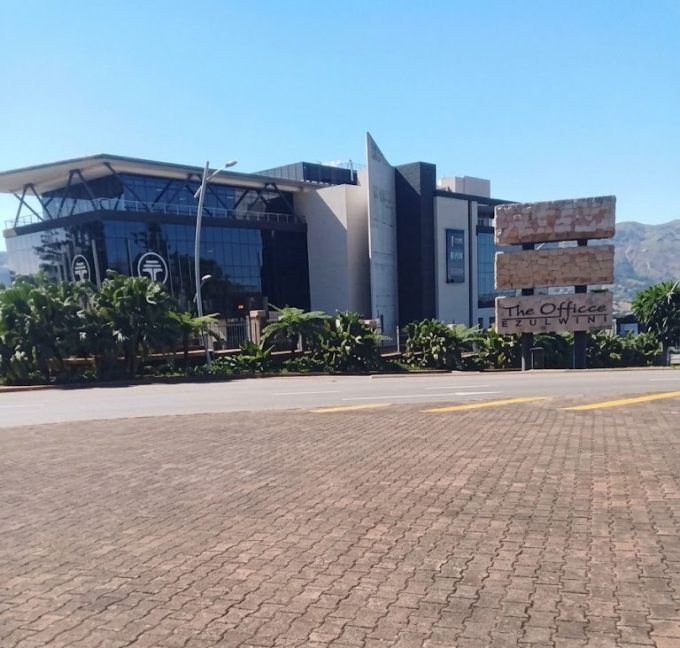
MBABANE – First National Bank (FNB) has instituted High Court proceedings against two of its former employees, seeking more than E14 million in...
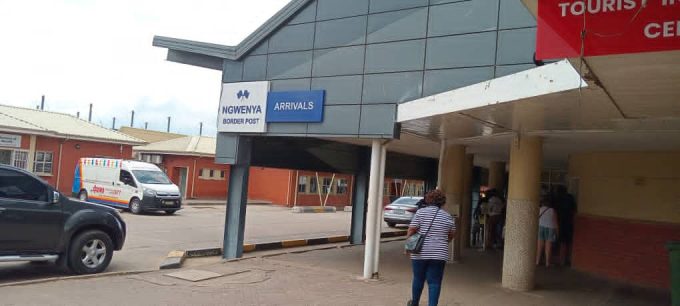
Eswatini now imports building blocks
MBABANE – The construction industry and the entire economy of the country are under siege. It has emerged that Eswatini has been importing...

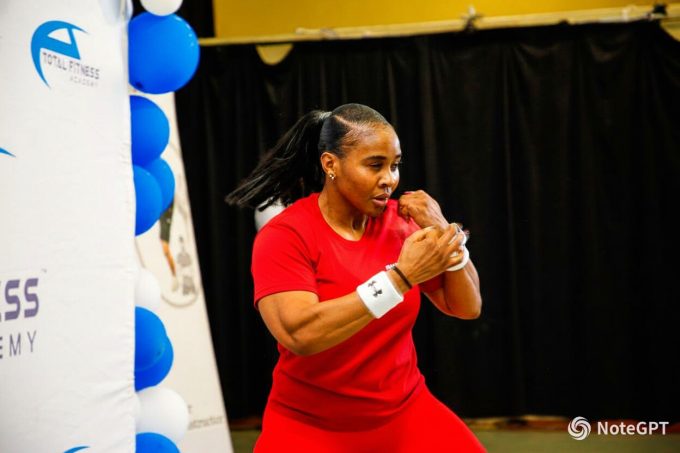
‘Gym became my coping mechanism’
Transforming her life through discipline and prioritising holistic health to overcome challenges...

‘Built by discipline, fuelled by passion’
From the running tracks of Tholokuhle High School to managing group exercise...
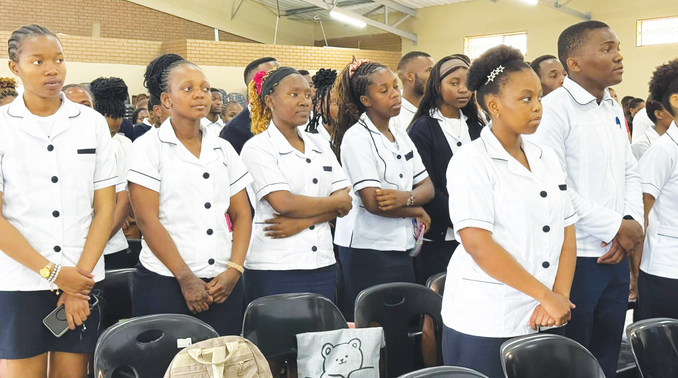
EMCU empowering pharmacists, transforming healthcare
Pharmacists are often the healthcare professionals standing between patients and the medicines...
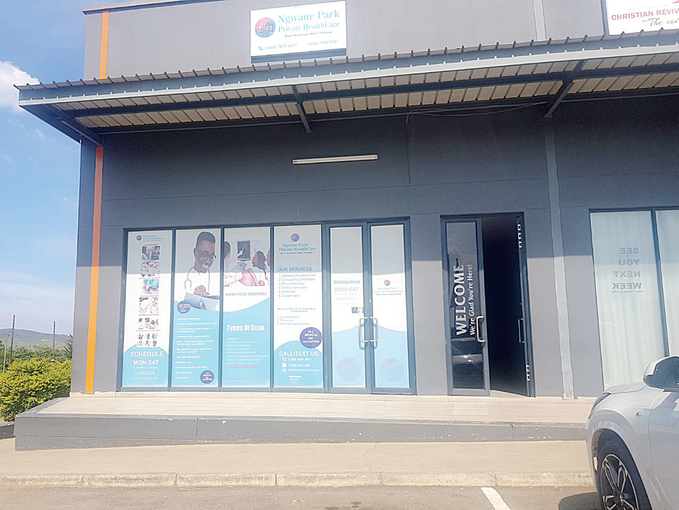
Check-ups that catch chronic diseases early
One high blood pressure reading can be the difference between a normal...







Leave a comment