In the not-so-distant past, any mysterious ache or unexplained rash would lead us straight to ‘Doctor Google.’ We’ve all been there: You type in a mild cough and, three clicks later, you’re convinced you have a rare, tropical disease.
It was the era of digital hypochondria, where search results often led to more panic than peace of mind.
Today, consultations have shifted from search bars to sophisticated AI tools like ChatGPT.
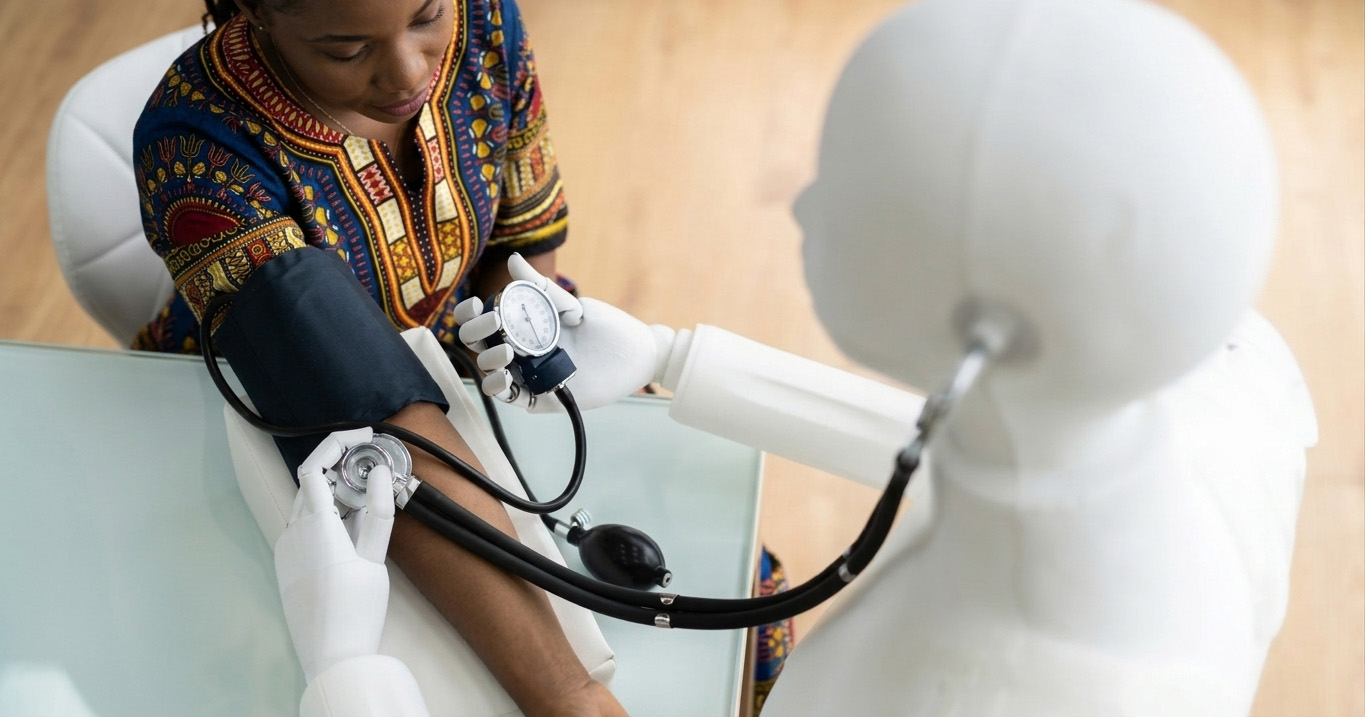
The difference is that artificial intelligence can explain symptoms in plain language, help people understand medical terms and even suggest questions to ask a healthcare professional. It has become a valuable health companion for millions of people seeking quick information. However, while AI is becoming smarter, it is important to remember that it is not your doctor. AI works by analysing patterns from vast amounts of information rather than examining your body. It cannot listen to your heartbeat, check your blood pressure, order blood tests or observe subtle physical signs that trained healthcare professionals rely on every day. Without these crucial pieces of information, any response it provides is based only on what the user shares.
This means the quality of the answer depends entirely on the quality and accuracy of the information entered. Missing details, incorrect descriptions or assumptions can easily lead to misleading advice.
Health experts continue to stress that AI should be used to support health literacy rather than replace professional medical care. The World Health Organisation has acknowledged the enormous potential of AI to improve healthcare through education, research and administrative support. At the same time, it warns that these technologies must be used responsibly and with appropriate human oversight.
Similarly, the American Medical Association notes that AI can assist clinicians by improving efficiency and analysing large volumes of data, but clinical judgement remains essential because every patient presents differently. For everyday users, AI is best used to understand a diagnosis after seeing a healthcare provider, learn more about prescribed medication, prepare questions before an appointment or find reliable information about healthy living. It should never delay seeking emergency care or be relied upon to diagnose serious or life-threatening conditions. As AI continues to evolve, it will undoubtedly become an even bigger part of healthcare. The smartest approach is not to fear it or blindly trust it, but to use it wisely. Think of AI as a knowledgeable assistant sitting beside you, not the person wearing the white coat. When it comes to your health, technology can guide you, but trained medical professionals remain the people best equipped to make the final call.