Home Tekulima Best practices for broiler house cleaning
Tekulima

Best practices for broiler house cleaning

Share
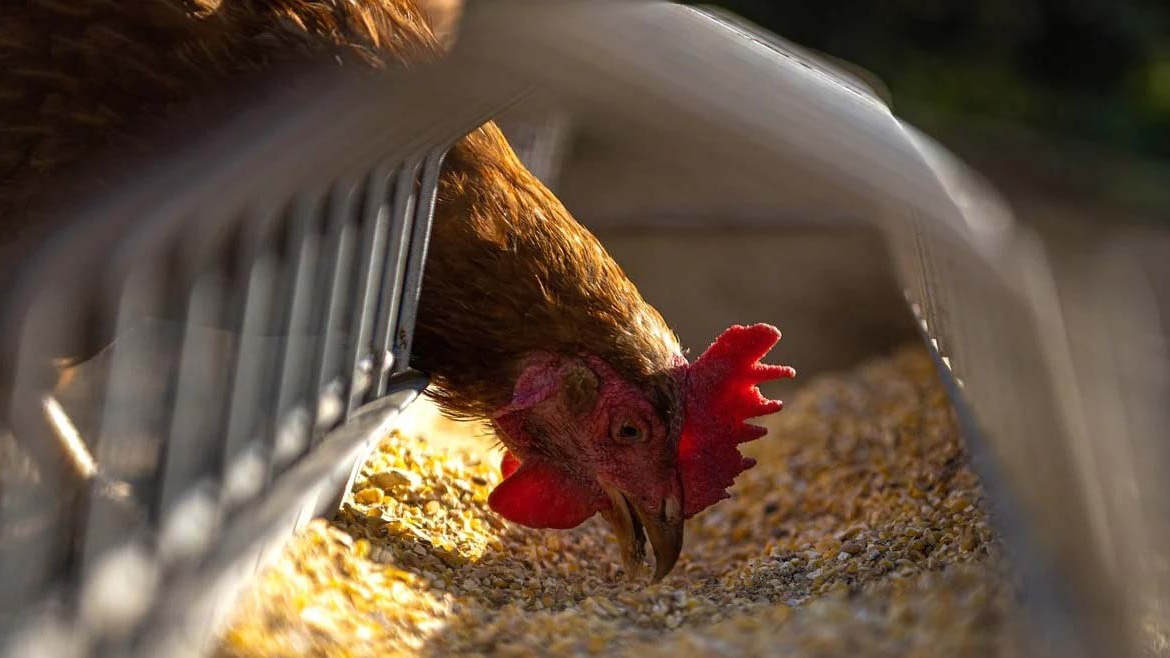
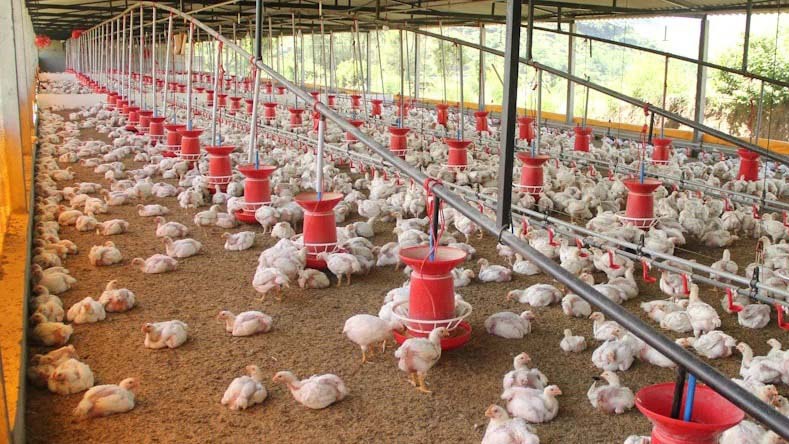
To ensure proper cleaning, you need to move birds to a separate, temporary area and remove all equipment, feeders and any remaining feed. (Pics: Courtesy)
Share

Proper broiler house cleaning helps farmers achieve better flock health, increased profitability and improved biosecurity.

By systematically removing pathogens and contaminants, farmers can ensure a safe and productive environment for their birds.

Step 1: Prepare the house

Remove all birds and equipment: Move birds to a separate, temporary area. Remove all equipment, feeders and any remaining feed. 

Remove waste: Scrape and shovel out all litter, manure and other debris. Compost it properly or dispose of it away from the poultry house. 

Take down temporary structures: Remove any non-permanent structures or items that could be damaged by water. 

Step 2: Dry clean

Sweep and scrape: Use brooms, shovels or compressed air to remove all remaining loose dust, feathers and dried-on material from ceilings, walls and floors.

Address stubborn areas: For caked-on dirt on surfaces like perches and roosts, scrape as much as possible before wet cleaning.

Step 3: Wet clean

Soak and scrub: Use warm or hot water and a detergent to soak heavily soiled areas like floors, walls and equipment. Scrub all surfaces, working from top to bottom. 

Rinse thoroughly: Rinse all surfaces with clean water to remove all detergent and loosened dirt. 

Clean and disinfect drinking systems: Clean the drinking system with a disinfectant solution, allow for contact time and then rinse with clean water.

Step 4: Disinfect

Apply disinfectant: Once the house is dry, apply an EPA-approved disinfectant that is effective against avian diseases. 

Follow instructions: Use the correct concentration, apply it evenly and allow for the specified contact time. Do not rinse the disinfectant off after application unless instructed to do so. 

Ensure proper conditions: The disinfectant should be applied to clean surfaces; organic matter will reduce its effectiveness. 

Step 5: Dry and finalise

Dry completely: Open doors and windows or use fans to help the house dry completely. Wet surfaces can be harmful to birds. 

Re-install equipment: Put all cleaned and disinfected equipment back in place. 

Replace litter: Add new, clean litter to the floor. 

Ensure biosecurity: Implement measures like footbaths at the entrance to prevent re-infection. 

Change and disinfect gear: Discard protective gear and wash or disinfect your clothes and boots.
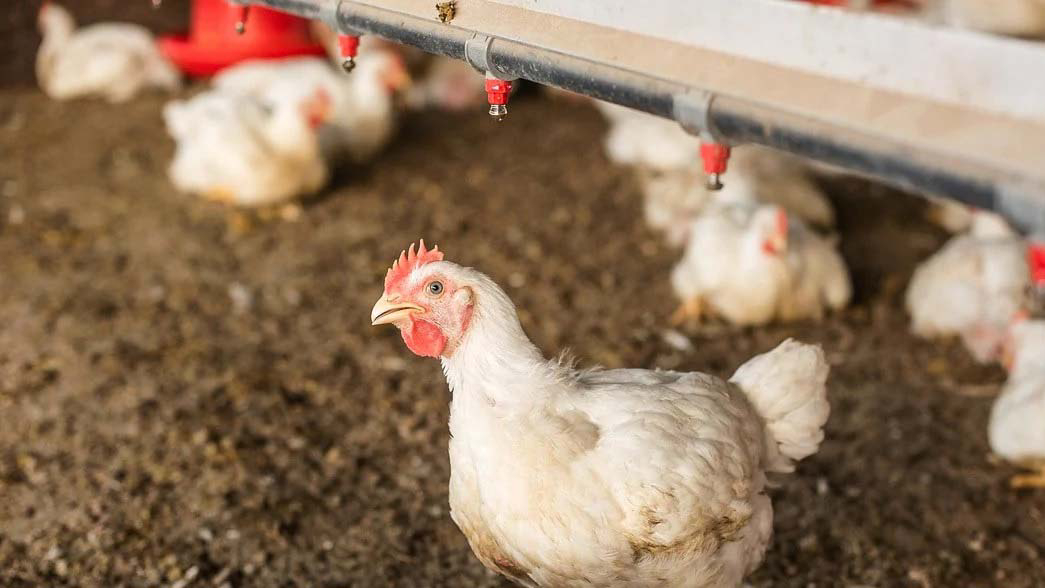
Chicken nipples are a must-have for chickens because they keep the water supply clean.
Replace feed to meet broilersu2019 changing nutritional needs, preventing health problems and improving growth performance and feed efficiency.
Share

Leave a comment

Leave a Reply

Your email address will not be published. Required fields are marked *

Don't Miss

Swazipharm blames ministry delays, commits to compliance

LOBAMBA – After being implicated in the delivery of medical drugs that were later recalled, prominent pharmaceutical supplier Swazipharm has reaffirmed its commitment...

Family sues EEC over E6m for Mpolonjeni child electrocution

MBABANE - The Eswatini Electricity Company (EEC) is facing lawsuit of more than E6 million following an electrocution incident that allegedly claimed the...

Shembe forgives Zulu King after video fallout

MBABANE – Members of the Nazareth Baptist Church in Eswatini have rallied behind His Holiness Unyazi Lwezulu Shembe after he publicly forgave Zulu...

Labour minister calls for healthy wages

MBABANE – The Minister for Labour and Social Security, Phila Buthelezi, has called upon Wages Councils to negotiate for fair wages. The minister...

Six pupils earn once-in-a-lifetime US exchange opportunity

MBABANE- Six different Mbabane high schools pupils have earned a once-in-a-lifetime opportunity to represent Eswatini in the United States, after emerging as top...

Related Articles

Pig production up 27%

The Eswatini pig industry has recorded a 27 per cent increase in...

Building climate resilience among youth farmers

As Eswatini grapples with the dual challenges of youth unemployment and climate-induced...

37 farmers complete tilapia aquaculture training

A growing wave of interest in fish farming is taking hold in...

‘I align my production to the season’

For Zandile Khumalo of Phuzumoya, farming is more than just a way...