

Mr Y, a 27-year-old male, with epilepsy and has had no convulsions since starting treatment several years ago. He relapsed end of 2025, despite still taking his treatment as prescribed.
Mr Y started working in hospitality since late 2025, which includes shift work (night and day changes). His treatment was also adjusted in December 2025 due to this relapse. His family experienced him as being ‘in a trance’, having a fever and elevated blood pressure.
Important factors to note:
Mr Y has had a significant change in his life, which triggered and impaired his Epileptic control:
- Increased stress (new work environment).
- Reduced quality sleep (shift work changes).
- Triggers (flashing lights in a dark place).
The change in treatment included a drug which caused Steven-Johnson syndrome, an adverse reaction presenting with fever and elevated blood pressure and ineffective treatment.
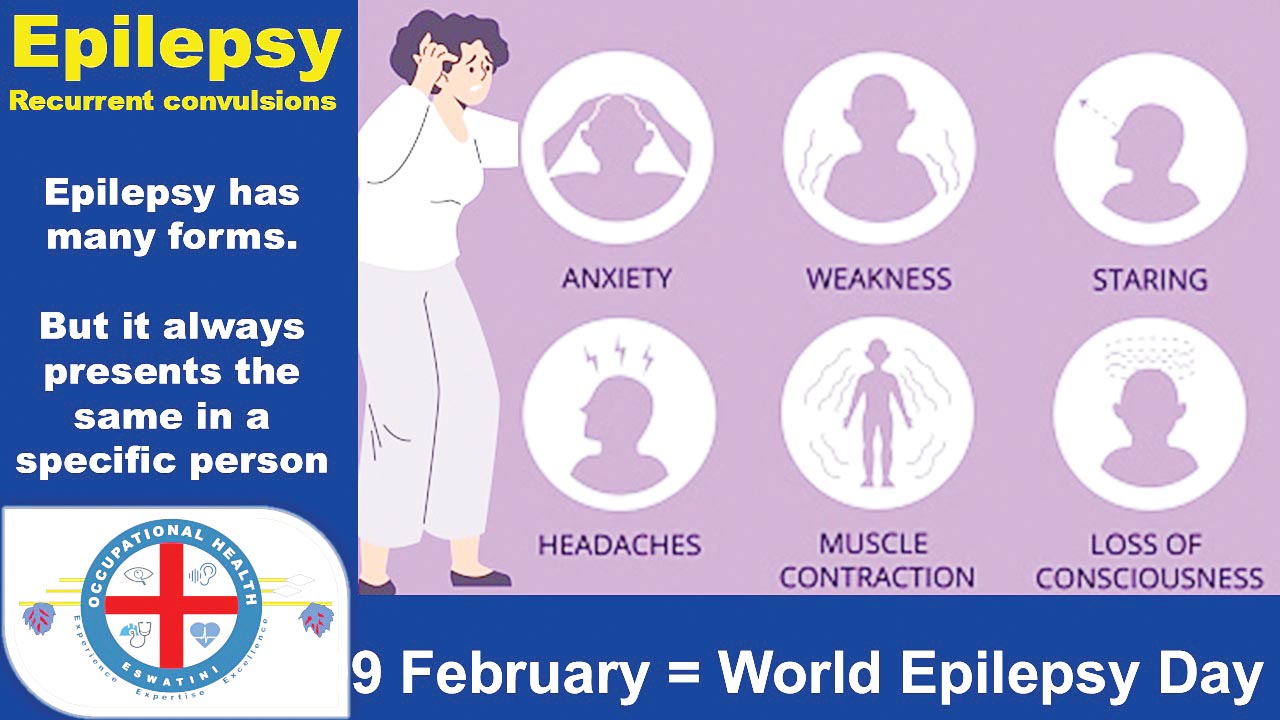
Seizures are due to abnormal electrical activity in the brain and may have several causes. Having recurrent seizures is called epilepsy and will always present with loss of memory and look the same in a specific person.
It also has 3 distinct stages:
Aura: Often described as strange sensations or perceptions that precede a seizure. It often serves as a warning sign, giving individuals with epilepsy a chance to prepare for an oncoming seizure.
Ictal: The caonvulsion can manifest in various ways, ranging from being absent, to sudden loss of consciousness and uncontrollable jerking movements. Mr Y’s being partially absent, no jerking.
Post-ictal: May appear intoxicated, dazed, confused, aggressive or psychotic.
The way forward, Dr T’s advice:
The goal of epilepsy treatment is to achieve seizure control and improve quality of life.
Mr Y’s treatment needs adjustment. Stop the new treatment, which caused SJ syndrome and restart on previously well tolerated treatment.
A lab test can help confirm optimal dose.
Implement strategies to minimise the risk of seizures and improve quality of life:
- Take medication as prescribed.
- Stay connected with your doctor.
- Manage other health conditions.
- Keep a seizure diary to help identify triggers, pattern and track medication effectiveness.
- Get enough sleep. Frequent shift changes can cause relapses.
- Manage stress, especially with significant changes like moving, stopping/starting a new job.
- Avoid common triggers: Flashing lights (especially in a dark environment), specific foods, hormonal changes, smoking, alcohol and stress.
- Create a safe environment: Remove potential hazards like sharp objects; Secure furniture to prevent falls during seizures; Avoid dangerous activities, like driving or swimming alone, especially when Epilepsy is uncontrolled.
- Wear a medical ID bracelet.
- Maintain a healthy lifestyle.
Living with epilepsy can present challenges, but with proper medical care, lifestyle modifications and emotional support, it is possible to manage the condition and lead a fulfilling life. Health topic for next week: February is Children’s Dental Health Month. Email your related health problems/concerns no later than this Friday noon to talkingtodrt@gmail.com to be eligible.
Follow The Times of Eswatini (X) and dr.thys (Instagram) for more health hacks. Send queries to ohesmngr@gmail.com.



















Leave a comment