


When it comes to education, we often focus on grades and test scores, but there is another crucial element to a child’s academic journey: Classroom participation. Active involvement in class has a big impact on children’s development, both in school and beyond. Today’s article hopes to share insight into the many benefits of classroom participation and how you can help your child become a more engaged and successful learner.
Nosisa Mkhonta, a curriculum developer, language teacher and educator, said participating in class discussions improves your child’s comprehension of the material. This helps your child become more invested in the class. Your child’s communication skills also develop if they participate in class. Communication skills come in handy in higher grades where you need to discuss and elaborate ideas. Learners who participate in discussions show their teachers that they are prepared and interested in the class. This helps the child get a good report card, come year-end.
Unlock your child’s potential and watch their eyes light up with excitement as they actively engage in the classroom
Mkhonta helped offer a few pointers to parents by giving guidelines to help their child blossom into a self-motivated and enthusiastic learner.
Why learners struggle with class participation and how to help?
Many children will not speak up in class because they fear that other learners will judge them if they give the wrong answer. They are worried that if their answers are incorrect, other learners will question their intelligence and laugh at them.
“Teach your child that it is okay to get an answer wrong; you cannot be right all the time. The goal of speaking up and asking questions in class is to get a better understanding of the material,” said Mkhonta.
The fear of public speaking
Mkhonta mentioned that the fear of public speaking is very common among learners of all ages. They are often worried that their classmates will judge them if they appear nervous or if they lose their train of thought. Tell them to try not to stand in front of the class and speak from the comfort of their desk for as long as they feel comfortable.
“Write down your thoughts and read them out loud during a discussion, so there is no risk of losing your train of thought. Contribute one thing at a time until you learn to speak with more confidence,” said Mkhonta as a means of encouragement to the child.
The feeling of being unprepared
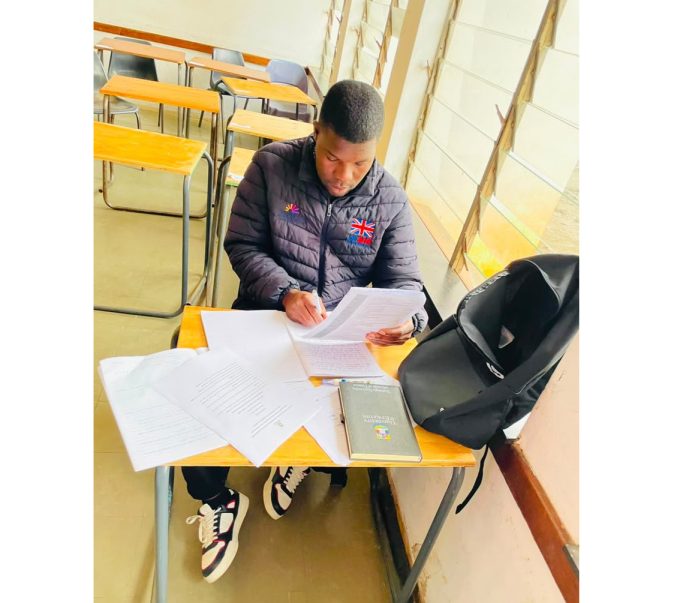
Every learner’s biggest nightmare is being called on in class to discuss course material while unprepared. How can you participate in class discussions if you do not know what the class is talking about?
Mkhonta emphasised the importance of checking in and talking to your child about future goals, making sure he knows that doing well in school is important when it comes to taking advantage of future opportunities like scholarships and college admission.

















Leave a comment