

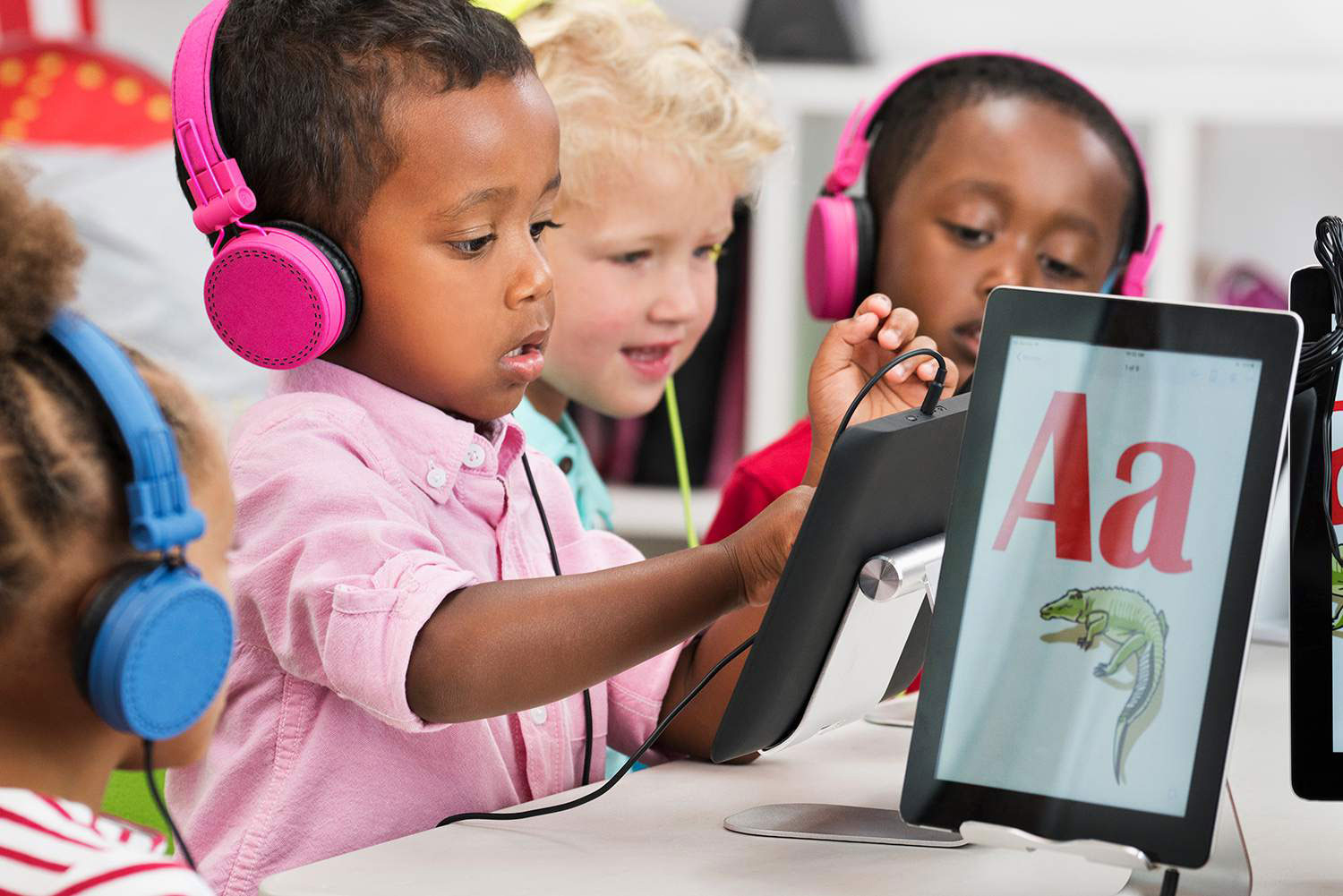
Walk into any classroom and you will find students with different personalities, interests and abilities.
Some grasp mathematical concepts with ease, while others excel in languages, art, sports or practical skills.
Yet many students grow up believing that if they struggle in one area, they are somehow less intelligent than their peers.
The truth is that every child learns differently and understanding this can make all the difference in a student’s educational journey.
One of the biggest mistakes students make is comparing themselves to others.
A classmate who consistently scores high marks in science may struggle with public speaking, while another who shines on the sports field may find academic work challenging. Everyone has strengths and weaknesses, and education is not about being the best at everything.
It is about discovering your abilities and developing them.
Finding your strengths begins with self-awareness. Students should pay attention to the subjects and activities that naturally interest them.
Which lessons do they enjoy most? What tasks do they complete with confidence? What skills do teachers, friends or family members often praise them for? The answers to these questions can reveal talents that may otherwise go unnoticed.
At the same time, identifying weaknesses is equally important. Recognising an area that needs improvement is not a sign of failure. Instead, it is an opportunity for growth.
A student who struggles with mathematics, for example, can seek extra help, practise regularly and adopt new study techniques. Improvement often comes from persistence rather than natural ability alone.
Students should also remember that success looks different for everyone. Some may pursue careers in medicine, law or engineering, while others may thrive in business, agriculture, technology, the arts or skilled trades. The world needs people with a wide range of talents and abilities. There is no single path to success.
Teachers and parents play a crucial role in helping young people recognise their potential. Encouragement, guidance and constructive feedback can help students build confidence and overcome challenges. Rather than focusing only on weaknesses, adults should also celebrate a child’s strengths and achievements.
Education is not a competition. It is a journey of learning, growth and self-discovery.
Students who understand their strengths, work on their weaknesses and remain committed to learning are more likely to reach their full potential. Every child has something valuable to offer, and every child can succeed in their own unique way.













Leave a comment