

CAPE TOWN – Stronger partnerships, greater intra-African trade, increased value addition and sustained investment in people and productive industries emerged as central themes at the ongoing Standard Bank Africa Unlocked 2026 conference.
Business leaders challenged Africa to accelerate its own development through collaboration and locally driven growth.
More than 140 business leaders, policymakers, investors and entrepreneurs from across Africa and key global markets have gathered in Cape Town for the third edition of Standard Bank’s Africa Unlocked conference to explore practical actions required to accelerate trade, investment and sustainable economic growth across the continent.
Hosted by Standard Bank Business and Commercial Banking under the theme ‘Built in Africa: Amplifying Continental Growth’, the conference is focusing on the growing role of African businesses, capital and innovation in shaping the continent’s next phase of development.
Now in its third edition, the gathering has evolved alongside Africa’s economic journey, bringing together leaders from business, government, development finance institutions and academia to strengthen partnerships and explore long-term growth solutions.
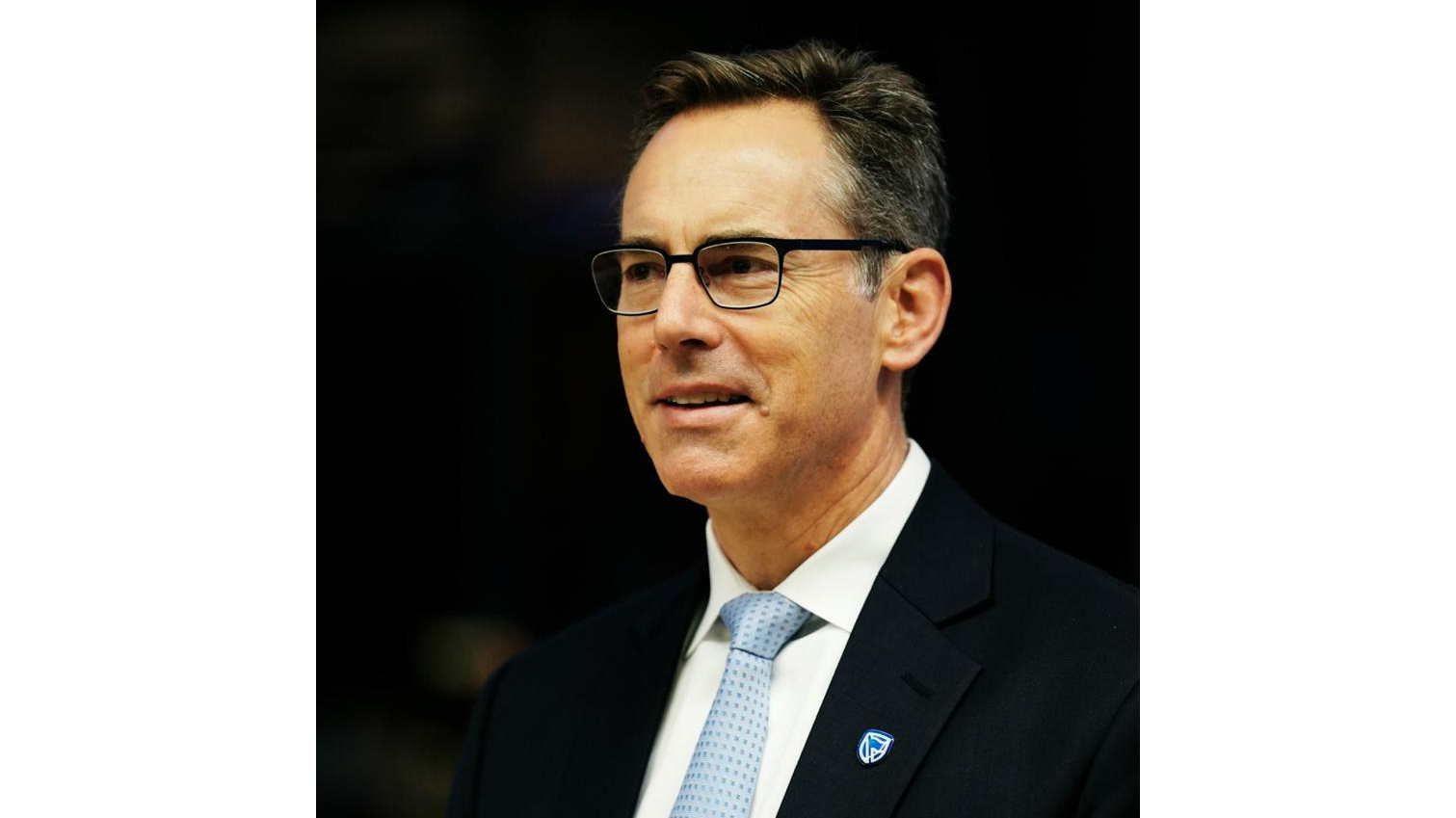
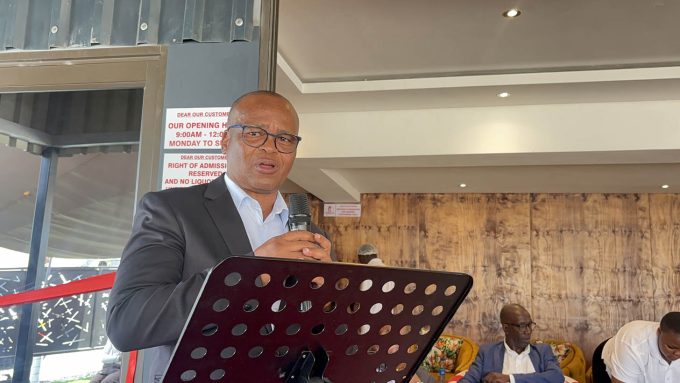
Opening the conference, Standard Bank Group Business and Commercial Banking Chief Executive Bill Blackie said this year’s theme reflected a continent whose growth was increasingly being driven by African enterprise, African capital and African conviction.
Blackie said his optimism about Africa’s future, first expressed at last year’s conference, remained firmly intact despite growing global uncertainty characterised by rising tariffs, geopolitical tensions and pressure on the multilateral trading system.
To illustrate his confidence, he shared the story of East African manufacturer Coast Cables, which had grown from producing super-enamelled copper cables into a major regional manufacturer of domestic and industrial power cables while expanding into renewable energy.
He said what stood out was not simply the company’s commercial success, but the determination shown in continuing to invest despite economic cycles, currency volatility and infrastructure constraints.
According to Blackie, Africa’s economic transformation was no longer theoretical, but increasingly visible through businesses expanding across borders and building regional value chains.
He highlighted that intra-African trade reached approximately US$220 billion last year, while 47 countries are now participating in the African Continental Free Trade Area (AfCFTA), creating the world’s largest free trade area by number of participating countries.
More importantly, he revealed that Standard Bank’s Business Banking clients now trade more with one another across Africa than with any single external trading partner, including China, the United States or the European Union.
“This shift matters. It reflects something structural rather than cyclical,” Blackie said.
Businesses scaling across the continent
CAPE TOWN – Standard Bank Group Business and Commercial Banking Chief Executive Bill Blackie cited several examples of African companies successfully expanding across the continent.
He pointed to restaurant chain Hungry Lion, which first shared its expansion ambitions during Africa Unlocked two years ago.
Since then, the business has opened more than 500 stores across nine African countries, creating approximately 10 000 jobs and targeting 750 outlets by the end of this year.
He also highlighted the Dangote Petroleum Refinery in Nigeria, describing it as an example of how large industrial projects create opportunities for entire business ecosystems rather than individual companies alone.
Blackie said Standard Bank had supported around 300 businesses operating within Dangote’s value chain through financing and other banking solutions required to sustain operations at the world-class refinery.
He said this demonstrated how supporting networks of suppliers, contractors and service providers amplified economic growth throughout value chains.
International trade, Blackie noted, remained one of Africa’s strongest engines for economic prosperity.
He said African businesses were increasingly moving beyond exporting raw materials to becoming value-added trading partners with markets such as China, India and the Gulf.
Through Standard Bank’s partnership with the Industrial and Commercial Bank of China (ICBC), clients have been able to open Renminbi accounts, settle transactions more efficiently and reduce trade costs.
Over the past three years, Standard Bank Business and Commercial Banking facilitated Renminbi transactions worth RMB1.9 billion, while assisting 720 businesses to import machinery and equipment valued at R1.3 billion from China.
The bank also supported 380 businesses exporting directly into the Chinese market through contracts worth R4 billion.
Blackie further said Africa’s abundant solar resources and critical minerals positioned the continent favourably within the global energy transition.
Since 2022, Standard Bank Business and Commercial Banking has mobilised R17 billion in green financing solutions supporting renewable energy and transition projects across Africa.
He added that Africa’s financial architecture was becoming increasingly sophisticated, providing businesses with better access to domestic and international capital needed to expand across borders.















Leave a comment