

EZULWINI – Media houses, broadcasters and commercial users have been warned that they must obtain explicit licences before using copyrighted music, as Eswatini moves towards stricter enforcement of intellectual property laws to ensure local creators receive fair compensation.
The message emerged during a workshop for journalists and media practitioners organised by the Eswatini Copyright and Neighbouring Rights Society (ESCASO), where officials stressed that creators automatically own copyright from the moment their work is created. However, broadcasters and businesses cannot assume permission simply because content has been submitted to them.
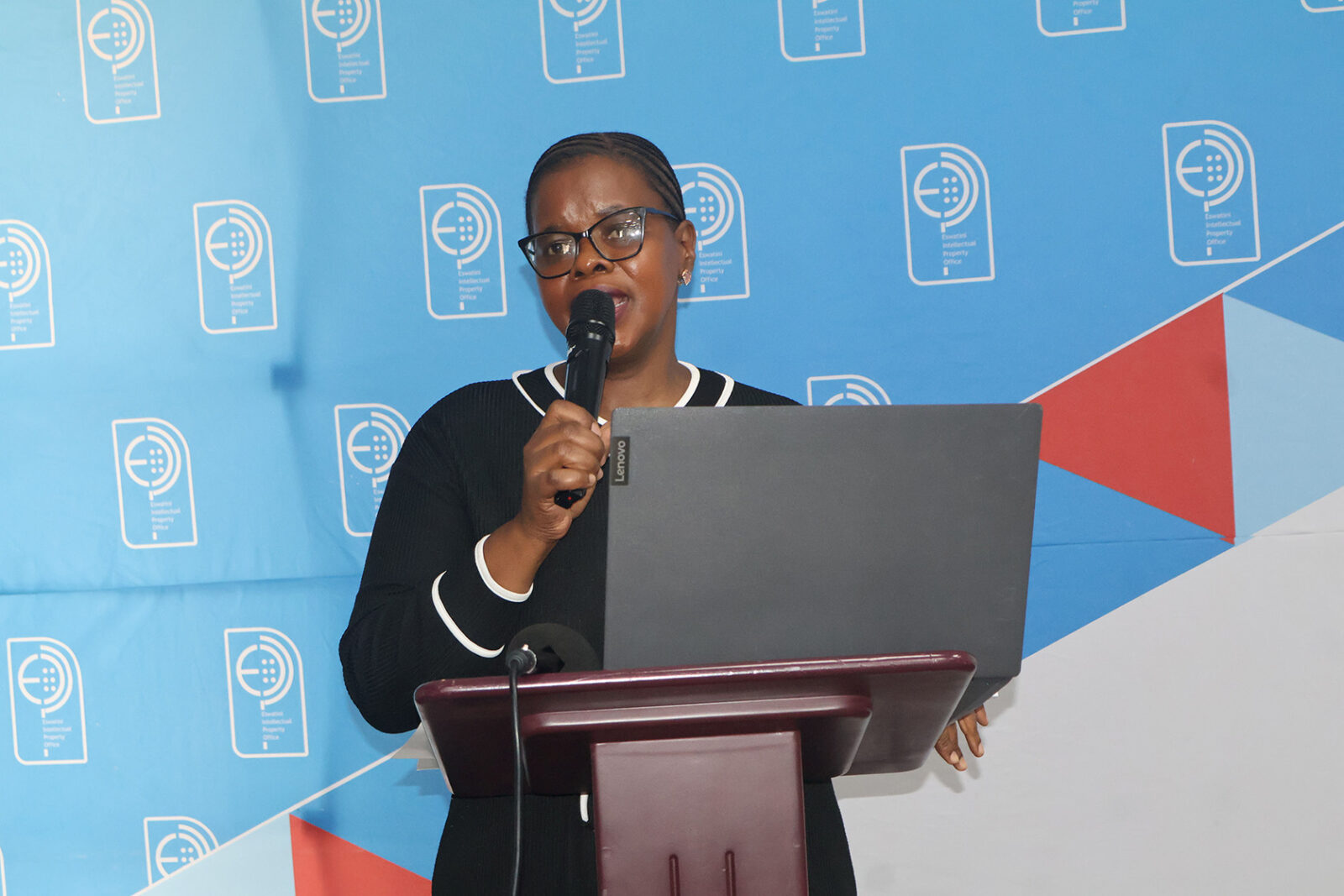
Registrar of the Eswatini Intellectual Property Office (EIPO), Dr Celucolo Dludlu, said intellectual property should be viewed as a driver of economic development rather than merely a legal issue. He said protecting creators encourages innovation, attracts investment, supports entrepreneurship and creates employment.
Dr Dludlu noted that journalists occupy a unique position as both creators and users of intellectual property through their reporting, photography and broadcasts. He urged the media to educate the public on copyright laws and help combat misinformation surrounding intellectual property in the digital era.
He also announced that the African Regional Intellectual Property Organization (ARIPO) is running a journalism competition on intellectual property reporting, with prizes worth about E50 000 for the winner, while EIPO is considering introducing a similar local competition.
ESCASO Director Mmeli Hlanze clarified that copyright protection is automatic and does not depend on registration. Nevertheless, registration remains important because it allows authorities to monitor the use of creative works and calculate royalty payments for artists.
Hlanze addressed growing concerns over digital content, confirming that unauthorised use of videos, photographs, music and written material by media organisations constitutes copyright infringement where ownership can be proven.
He also warned broadcasters that permission to use music can never be implied. An artist submitting music to a radio station does not automatically authorise its broadcast or its use in advertisements, station promotions, intros or outros.
Instead, broadcasters require different licences depending on how music is used. General broadcasting is covered through a collective management licence, while promotional campaigns and advertisements require separate synchronisation (sync) licences because they pair music with commercial messages.
Hlanze cited international copyright disputes arising from the viral “Jerusalema” dance challenge as an example of how businesses can face significant legal consequences for using copyrighted music without permission.
To reduce legal risks, he advised broadcasters to obtain the necessary licences or use original production music for promotional material.
Senior Copyright Examiner Nomcebo Mavuso also reassured businesses that copyright fees would not be charged retrospectively to 2018. While creators can register older works, royalty collections and distributions will officially begin from the 2025 financial year, giving commercial users a clear starting point for compliance.
She explained that copyright protection has existed internationally since 1986, but enforcement had previously been limited by low public awareness.
Officials further revealed that licensing agreements are being negotiated with major digital platforms such as Meta to ensure Eswatini artists eventually receive royalties when their works are streamed online.
Participants also called for copyright education to be simplified and translated into siSwati so that rural producers, crafters and small businesses can better understand and protect their intellectual property. Stakeholders argued that many local artisans continue to sell products cheaply to foreign buyers who later rebrand and profit from them overseas.
Mavuso said the Intellectual Property Office was already expanding outreach programmes with handicraft groups, market vendors and entrepreneurs to improve awareness of copyright, branding and trademarks.
The workshop also highlighted that commercial events, festivals, hotels, restaurants, retailers and roadshows using music are legally required to obtain copyright licences. Hlanze said major events such as MTN Bushfire, Luju Food & Lifestyle Festival and the Eswatini Farmers Gala had already secured the necessary permissions.
While several corporates have begun complying, including Standard Bank and the Eswatini Football Association, Hlanze said ESCASO was now shifting from awareness campaigns to enforcement. He warned that organisations refusing to obtain licences risk legal action, as authorities prepare to begin royalty distributions to local rights holders during the current financial year.

















Leave a comment