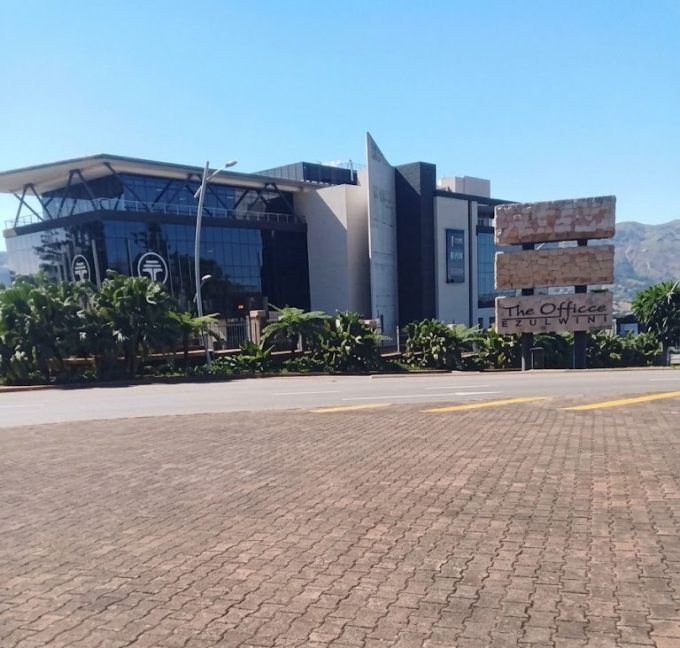
(At EOCGA offices)
LOBAMBA – The country has officially set in motion a transformative chapter in its sporting history.
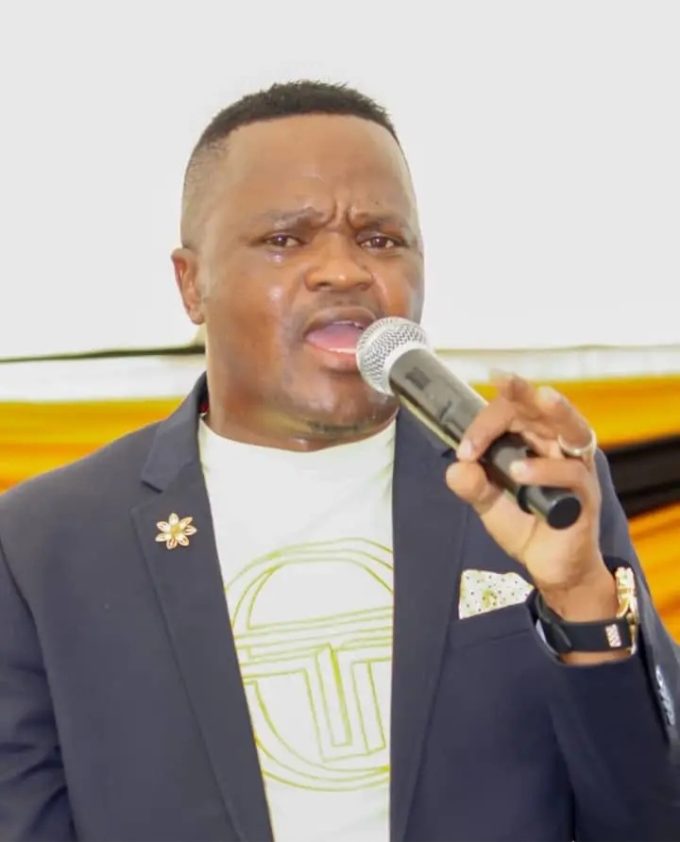
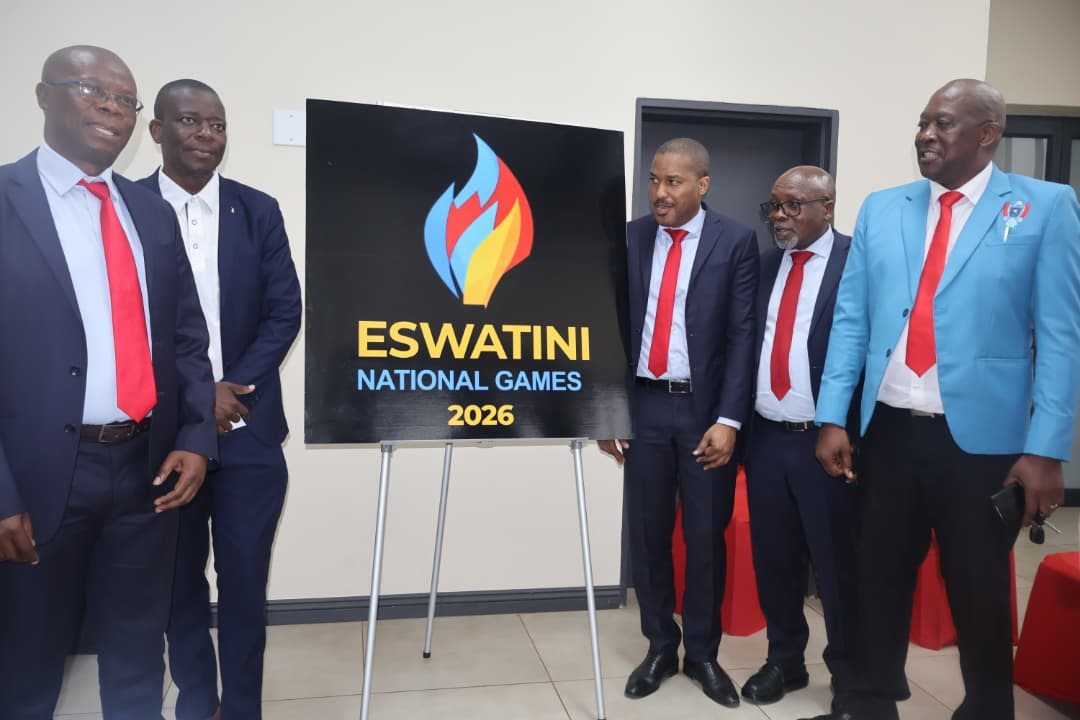
In a landmark announcement, Minister for Sports, Culture and Youth Affairs Bongani Nzima (MP) officially launched the inaugural Eswatini National Games during a prestigious event at the Eswatini Olympic and Commonwealth Games Association (EOCGA) premises in Lobamba yesterday. The games are slated for August 14-17 at venues yet to be confirmed. A whopping budget of E1.1 million is said to have been set aside.
This newly-established flagship competition is designed to serve as the bedrock of the nation’s athlete pipeline, focusing primarily on Under-20 talent. By establishing a structured, recurring national platform, the initiative aims to systematically identify grassroots potential and elevate local athletes to ensure they are ready to compete on regional, continental and global stages.
Addressing an audience of athletes, coaches, national federation leaders and key stakeholders, Minister Nzima made it clear that these games are far more than a simple domestic tournament.
“Today marks an important milestone in the development of sport in the kingdom,” Minister Nzima stated. “These games represent far more than a competition. They are an investment in the future of our young people and in the future of Eswatini sport. They will become our premier multi-sport event.
For the country’s aspiring Under-20 athletes, the National Games will act as a direct pathway to elite international events, preparing them for the rigours of the AUSC Region V Youth Games, the African Games, the Commonwealth Games and the Olympic Games,” said the minister.
Beyond athlete development, the project is designed to uplift the nation’s entire sports ecosystem. It provides a formal framework to enhance coaching, officiating and high-performance technical standards, giving domestic sports federations a much-needed benchmark to measure progress.
Adding a unique international dimension to the historic launch, Eswatini has invited the National Olympic Committees of Seychelles and Lesotho as guest nations. The inclusion of these Southern African partners is seen as a strong vote of confidence in Eswatini’s growing capacity to host high-calibre multi-sport events, while building deeper diplomatic and sporting ties across the region.
Athletics Eswatini (AE) President Zakhele Dlamini, on the other hand, will serve as Chairman of the Local Organising Committee (LOC). He will be assisted by National Olympic Academy Chairman Victor ‘Mavikana’ Dlamini. Meanwhile, EOCGA Chief Executive Officer (CEO) Maxwell Jele, Eswatini Sports and Recreation Council (ESRC) CEO Darius Dlomo and EOCGA Treasurer Zakhele Zulu are members.
Eswatini’s transition towards a centralised national youth games model aligns with successful sport-for-development initiatives across Africa. By shifting towards structured, state-backed youth structures, Eswatini joins several peer nations that use similar frameworks to drive youth development.
An almost similar programme is in Kenya and it is styled The Talanta Hela Initiative. It was launched to systematically identify and nurture raw talent from the grassroots level through national camps and elite youth tournaments, bridging the gap between school sports and professional careers.
Nigeria, on the other hand, hosts the National Sports Festival (NSF), which is often referred to as ‘Nigeria’s Olympics’. This is a historic biennial multi-sport event. It was established in 1973 to promote national unity and find athletic talent across all 36 of Nigeria’s states.