

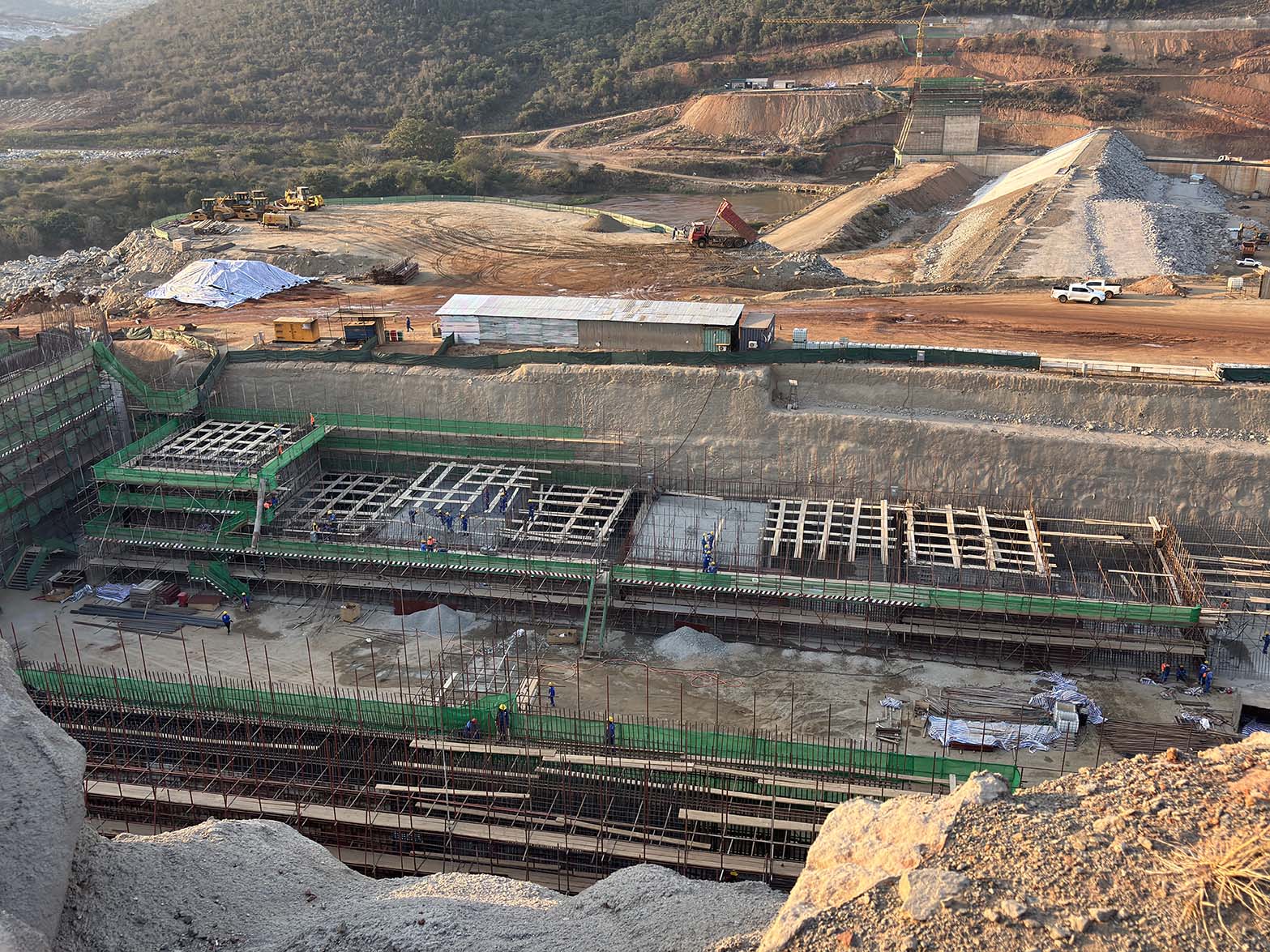
MPAKENI – The cost of relocating families affected by the construction of the multi-billion Emalangeni Mpakeni Dam has exceeded initial projections.
At least more than E140 million has been already spent on resettlement as the dam project reaches 54 per cent completion.
The Eswatini Water and Agricultural Development Enterprise (EWADE) revealed the figures yesterday during a media tour of the Mpakeni Dam construction site, where EWADE officials also provided an update on the progress of one of the country’s largest water infrastructure projects.
EWADE Environment Manager Futhi Dlamini said the amount spent on relocating affected households had surpassed the original budget of E121 million that had been set before construction commenced.
She said the increase reflected the realities encountered during implementation as the organisation continued engaging affected communities.
According to Dlamini, 147 of the 231 homesteads earmarked for relocation have already been successfully resettled, while work continues to relocate the remaining families before completion of the project in 2028. It is worth noting that the resettlement exercise is projected to be complete by March 2027, while the dam is expected to be completed in 2028.
“The relocation process is continuing. We have relocated 147 homesteads out of the 231 that were identified as being affected by the project,” she said.
She explained that while significant progress had been achieved, the process had not been without challenges.
Dlamini acknowledged that some residents initially resisted relocation, while others raised concerns regarding various aspects of the resettlement programme.
Among the complaints received were concerns that some of the newly-constructed replacement houses were smaller than the homes residents previously occupied.
She said EWADE had adopted continuous engagement with affected communities instead of dismissing their concerns.
“We have experienced resistance from some residents and there have also been complaints regarding different issues, including concerns that some replacement houses are smaller than the original ones,” she said.
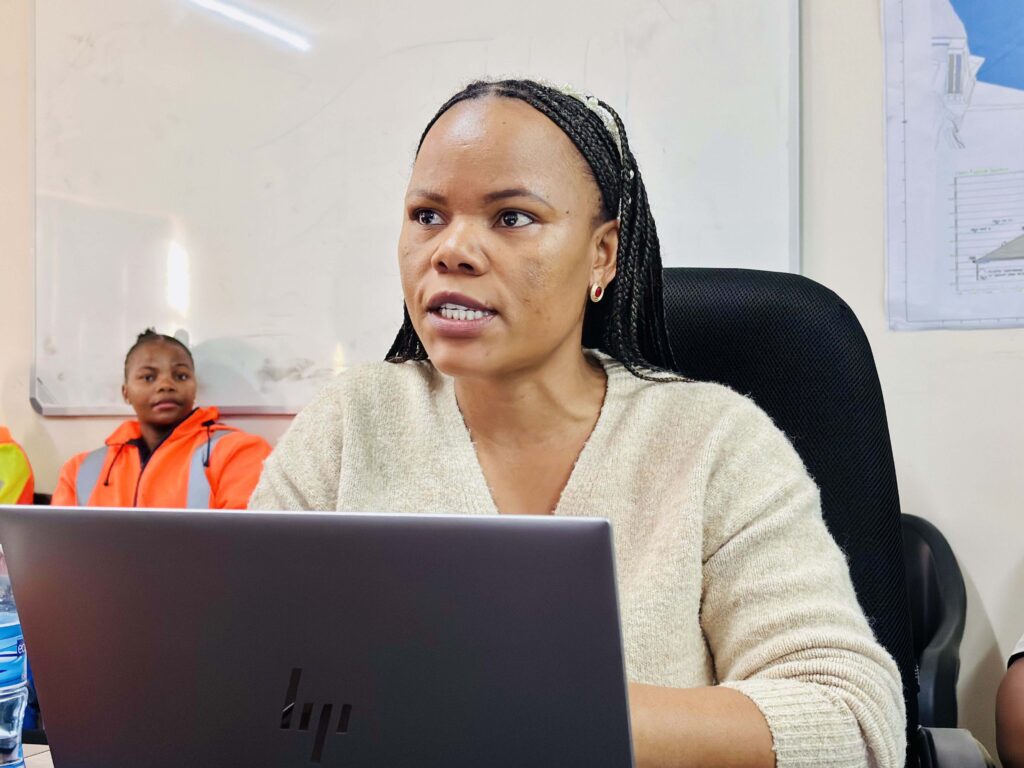
Dlamini said the organisation continued holding meetings with affected households and traditional leaders to find practical solutions.
“We do not ignore people’s concerns. We continue engaging them together with traditional leaders because this is an important project and we want the process to move forward while ensuring communities are heard.”
She said dialogue remained central to the implementation of the African Development Bank (AfDB)-funded project.
The Mpakeni Dam forms part of the country’s broader water and agricultural development strategy and is expected to improve water security while unlocking thousands of hectares for irrigation once completed.
Officials indicated that construction progress now stands at 54 per cent, keeping the project on course for its targeted completion in 2028.
Dlamini stressed that relocation was not merely about constructing replacement houses, but also ensuring affected families adjusted to their new environments.
She said community consultations continued throughout the resettlement programme to address emerging concerns and ensure the relocation process complied with environmental and social safeguard requirements.
The environment manager said although the expenditure had exceeded the original budget, the additional costs reflected the commitment to ensuring the relocation programme was carried out responsibly.
She added that the organisation remained committed to working closely with all stakeholders until every affected household had been successfully resettled.














Leave a comment