MBABANE – Letshego Eswatini has outlined plans to deepen financial inclusion by expanding digital banking services to the country’s unbanked and under-banked population.
The institution continues its journey towards transitioning into a fully-fledged digital bank following the granting of a provisional banking licence.
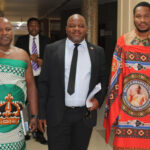
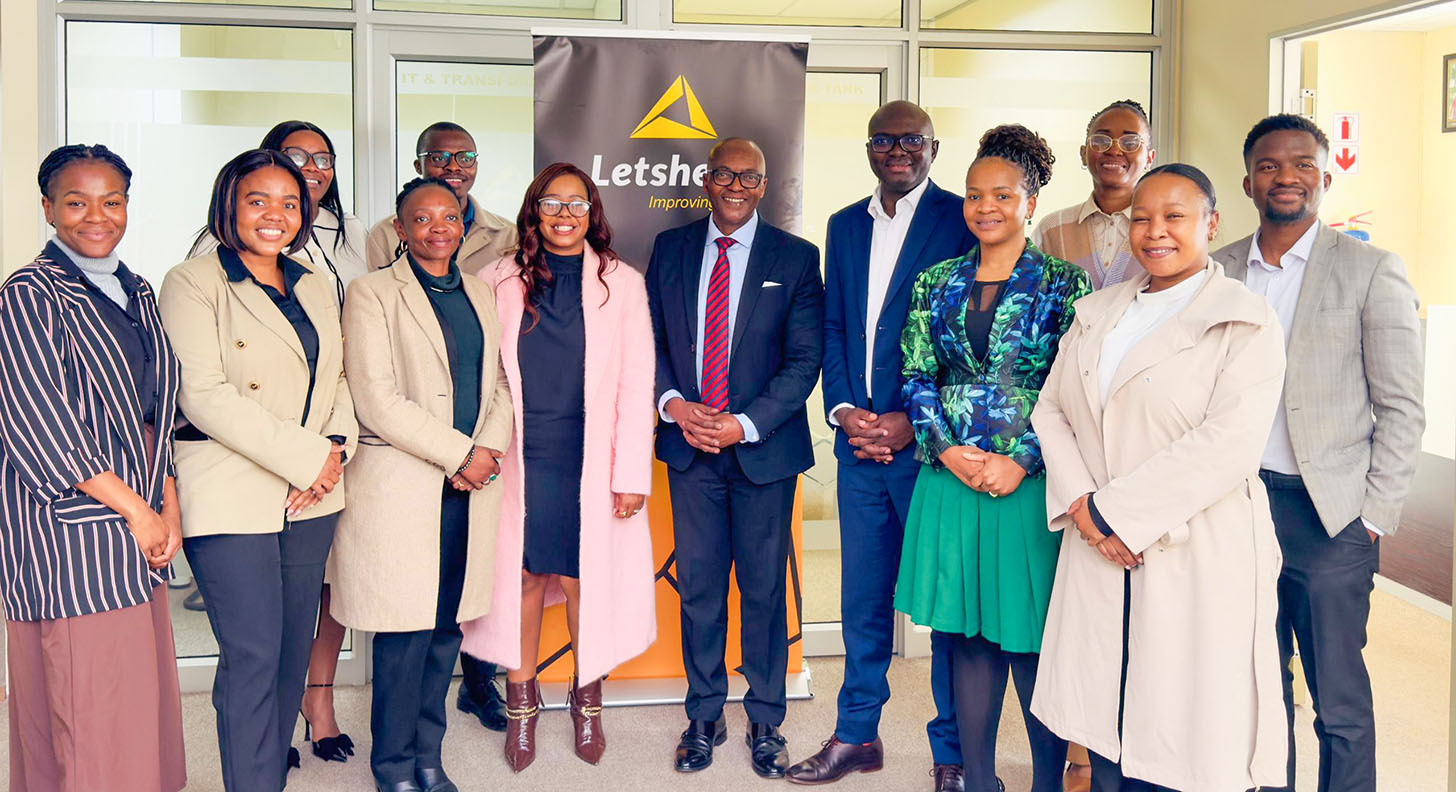
The strategy was highlighted during a recent membership visit by Business Eswatini (BE), where the country’s apex employer organisation welcomed the company’s newly appointed Chief Executive Officer, Mbuso Dlamini and his management team. The engagement provided an opportunity for Letshego to share its strategic direction, upcoming product offerings and long-term vision for expanding access to financial services. Dlamini said the institution was committed to using technology to bridge the gap between formal financial services and communities that have historically been excluded from the banking system.
Unlike conventional banking models that often rely on physical branches, Letshego is focusing on digital solutions that can reach customers even in remote rural areas using basic mobile phones.
The approach is expected to reduce barriers to accessing financial services while supporting government’s broader financial inclusion agenda.
Industry observers have long argued that the unbanked and under-banked market presents significant opportunities for economic growth, but has remained difficult to serve through traditional banking models due to high operational costs and infrastructure limitations.
Letshego believes digital technology provides a more sustainable solution by lowering delivery costs while expanding the reach of financial products and services. The company said improving access to banking services would enable more citizens to participate in the formal economy through savings, credit and other financial products, ultimately supporting economic development from the grassroots level.
The institution’s transformation gained momentum after the Central Bank of Eswatini granted it a provisional banking licence, paving the way for its evolution from a financial services provider into a digital bank. Once fully operational as a bank, Letshego intends to broaden its product offering beyond lending to include savings and deposit accounts supported by competitive interest rates.
The development is expected to strengthen competition within Eswatini’s financial sector while increasing consumer choice. Letshego has operated in Eswatini since 2006 and has established itself as one of the country’s leading financial services providers through its focus on accessible lending and technology-driven financial solutions.
Dlamini’s appointment is also expected to accelerate the company’s next phase of growth.
The experienced financial services executive brings more than two decades of leadership experience gained across several African markets, including Rwanda and Tanzania. His appointment also marks a return to familiar territory after previously serving as Letshego Eswatini’s chief executive between 2010 and 2015. The company believes his institutional knowledge, combined with his continental experience, will be instrumental in driving its digital banking ambitions and delivering sustainable growth. Business Eswatini described the visit as an important engagement that strengthened collaboration between the private sector body and one of its member organisations. During the meeting, BE introduced its services and outlined the value proposition available to member companies while discussing opportunities to support Letshego’s expansion plans.
The employer body said it viewed Letshego’s commitment to financial inclusion as aligned with national development priorities aimed at broadening economic participation. Business Eswatini represents more than 22 business sectors and accounts for over 90 per cent of the private sector’s contribution to gross domestic product. The organisation said it looked forward to supporting Letshego as it expands financial services to economically marginalised communities and contributes to building a more inclusive economy.