

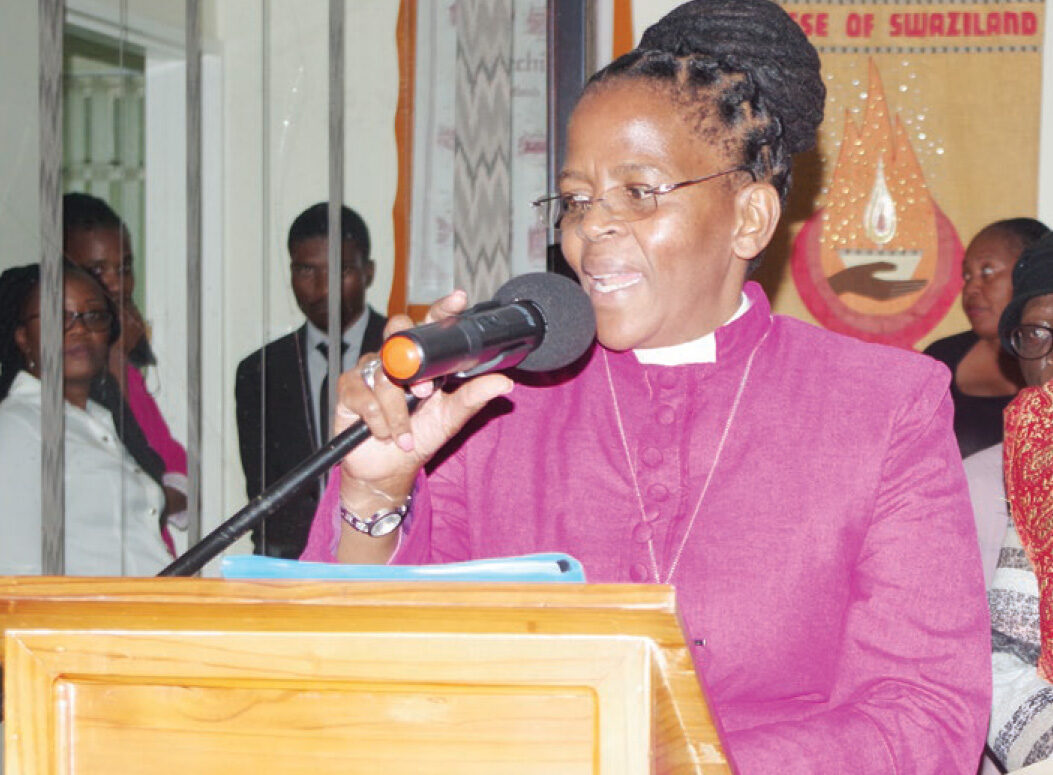
MBABANE – A senior warden and a member of the Parish Church Council in the All Saints Cathedral Church, who is also a warden, have rushed to court seeking to stop Bishop Tsietsi Seleoane from assuming the role of the Rector.
Zodwa Tshabalala, who is a Senior Warden, and the Parish Church Council (PCC) member and Warden, Lolo Mkhabela, took the matter to the High Court. The respondents are the Diocese of Eswatini, Bishop Dalcy Dlamini, Bishop Seleoane, the chief immigration officer and the attorney general.
The proceedings are centred on a dispute regarding the appointment of a new rector at All Saints Cathedral in Mbabane, the issuance of a work permit to a foreign national cleric and threatened excommunication proceedings against church leadership members.
Mkhabela and Tshabalala are active members of the PCC at All Saints Cathedral Church in Mbabane. In the court matter, they are represented by Mangaliso Nkomondze of Nkomondze Attorneys. According to court papers, the dispute mainly arises from decisions outlined in a letter dated July 10, 2026, authored by Bishop Dlamini, the spiritual leader of the Diocese of Eswatini. In the letter, the bishop announced the appointment of Bishop Seleoane, a retired priest and South African national, as Rector and Incumbent of All Saints Cathedral with effect from August 1, 2026. The formal installation service was scheduled to take place on August 16, 2026, with Bishop Dlamini presiding.
In her letter, Bishop Dlamini stated that Canon 25.1 of the Anglican Church requires the bishop to consult with the PCC or church wardens when a pastoral charge becomes vacant. However, she submitted that All Saints Cathedral currently has no PCC or wardens in office to fulfil this statutory requirement. Consequently, she conducted consultations with the Chapter of the Diocese instead and determined that Bishop Seleoane was suitable for the role. She further noted that one of his initial priorities would be convening an Annual Vestry Meeting to elect a new council and wardens, while resolving outstanding financial statements that had not been submitted to the diocese since 2021.
Interests of the Cathedral
The applicants dispute the assertion that no PCC or wardens exist. They state in their founding affidavit that they remain validly in office as senior warden and warden, empowered by Canon 27 to safeguard the governance and interests of the Cathedral. They contend that Canon 25.1 mandates direct consultation with the PCC and wardens, and that consulting the Chapter of the Diocese is not provided for under church canons. On July 30, congregants submitted a formal petition to Bishop Dlamini calling for the suspension of the appointment and installation pending proper constitutional consultation.
The court papers highlight an ongoing legal contest between the diocese and 18 church members, including Mkhabela and Tshabalala. That dispute involved the term of office for PCC members, general church administration and the proper procedure for convening a Vestry. The matter was appealed and remains pending before the Supreme Court. The applicants contend that attempting to appoint a rector to convene a Vestry, while the Supreme Court case is active bypasses judicial processes and undermines the authority of the highest court.
Conducting Church Services And Training Sessions
The affidavit states that Bishop Seleoane arrived in Eswatini on February 6, 2026, and began conducting church services and training sessions prior to any formal appointment letter. The applicants allege that undertaking remunerative or structured pastoral work without a valid work permit violated the Immigration Act of Eswatini. On April 1, 2026, the church wardens sent a formal letter to the chief immigration officer requesting intervention and raising concerns regarding compliance, security and administrative oversight.
Following interactions between the parties and the Immigration Department, immigration officials reportedly regularised Bishop Seleoane’s status by issuing a work permit. However, the applicants argue in their court papers that this work permit is legally invalid and liable to be set aside.
“Under immigration law, a work permit for an expatriate religious worker must rest upon a lawful employment offer from the sponsoring entity,” Mkhabela said. The veracity of these allegations is still to be tested in court. The respondents are yet to file their answering papers.
He stated that, because the appointment allegedly bypassed mandatory consultation under Canon 25.1, the employment offer is null and void, thereby removing the legal foundation for the work permit. She also alleges that immigration officials failed to consult interested parties and improperly issued a work permit to a retired individual. The applicants also challenge excommunication notices issued against them by the diocese. They argue that these excommunication letters constitute adverse retaliatory measures taken against them for exercising their constitutional right under Section 21 to access courts and seek legal redress. They argue that if excommunication is carried out prior to the Supreme Court’s ruling on the underlying appeal, they will suffer irreparable harm to their spiritual, social and administrative standing that cannot be remedied by monetary compensation or later review.
In the court application, they seek an order declaring the appointment and proposed installation of Bishop Seleoane unlawful, irregular and of no legal force. They request an interdict restraining the diocese and Bishop Dlamini from installing or recognising Bishop Seleoane as Rector, and prohibiting him from performing pastoral or rector duties at All Saints Cathedral. They further seek an order revoking his work permit and suspending all excommunication proceedings pending the final determination of Supreme Court Case Number 15/2025, alongside costs of suit. The matter is pending in court.

















Leave a comment